
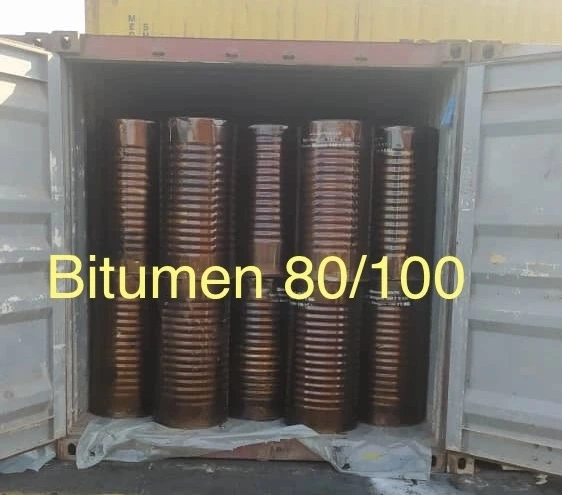
Bitumen Grade 80/100 is a soft penetration-grade petroleum bitumen used mainly as a binder in asphalt mixtures, waterproofing systems, and sealing applications. It matters because its balanced softness and workability deliver reliable performance in moderate to cool climates where flexibility, adhesion, and ease of compaction matter most. Road contractors, asphalt producers, and infrastructure engineers choose this grade when they need stable pavement performance without excessive stiffness.
What Is Bitumen Grade 80/100?
Bitumen Grade 80/100 is a dark brown to black hydrocarbon material produced during crude oil refining. Refineries obtain it from the vacuum residue after lighter fractions separate. This grade falls within the penetration range of 80–100 dmm, which means it stays softer than harder grades such as Bitumen 60/70.
Because of this softness, the material spreads easily, coats aggregates well, and resists cracking in cooler temperatures. Many markets also refer to it as asphalt 80/100, especially in road construction specifications.
Why Penetration Grade Matters
Penetration grading classifies bitumen by measuring how deep a standard needle penetrates the material under controlled conditions. The test runs at 25°C, under 100 g load, for 5 seconds, following ASTM and EN standards.
Lower penetration number → harder bitumen
Higher penetration number → softer bitumen
With a penetration of 80–100, this grade delivers flexibility and ease of handling without becoming overly soft under normal service conditions.
Key Physical and Performance Properties
Bitumen Grade 80/100 offers a combination of adhesion, flexibility, and viscosity that suits many infrastructure projects.
Typical Properties (Industry Range)
| Property | Typical Value |
|---|---|
| Penetration @ 25°C | 80–100 dmm |
| Softening Point | 42–50°C |
| Ductility @ 25°C | ≥ 100 cm |
| Specific Gravity | ~1.01–1.05 |
| Flash Point | > 230°C |
| Solubility | > 99% |
These values comply with ASTM D946, EN 12591, and similar international standards when produced under controlled refining conditions.
Thermoplastic Behavior Explained
Bitumen Grade 80/100 behaves like a thermoplastic material:
It softens when heated, which allows easy mixing and compaction
It hardens when cooled, creating a durable and stable pavement layer
This reversible behavior makes it practical for hot mix asphalt plants, surface dressing, and industrial waterproofing systems.
Manufacturing Process Overview
Refineries produce Bitumen Grade 80/100 through controlled vacuum distillation:
Crude oil heats and separates into lighter fractions
The remaining heavy residue enters a vacuum distillation unit
Refiners adjust temperature and air exposure to reach the target penetration range
The final product undergoes laboratory testing before release
Each batch typically passes tests for penetration, softening point, viscosity, and flash point to ensure consistency.
Main Applications of Bitumen Grade 80/100
This grade serves a wide range of civil and industrial uses.
Road Construction and Asphalt Mixing
Contractors widely use it in:
Hot mix asphalt for base and wearing courses
Urban roads with moderate traffic
Secondary highways
Car parks and service roads
Its flexibility helps reduce cracking in regions with temperature variation.
Waterproofing and Roofing
The material also works well in:
Roofing felt production
Damp-proofing layers
Bridge deck protection
Its strong adhesion prevents water penetration and improves surface durability.
Joint Sealing and Industrial Uses
Engineers apply Bitumen 80/100 in:
Expansion joint fillers
Pipe coating systems
Industrial floor sealing
Protective coatings for concrete and steel
Handling, Storage, and Transportation
Proper handling protects both material quality and worker safety.
Storage Guidelines
Store in heated tanks to maintain flow
Keep temperature between 140–160°C during handling
Avoid prolonged overheating to prevent aging
Transportation Options
Suppliers ship Bitumen Grade 80/100 in several formats:
Bulk tankers
Steel drums (new or reconditioned)
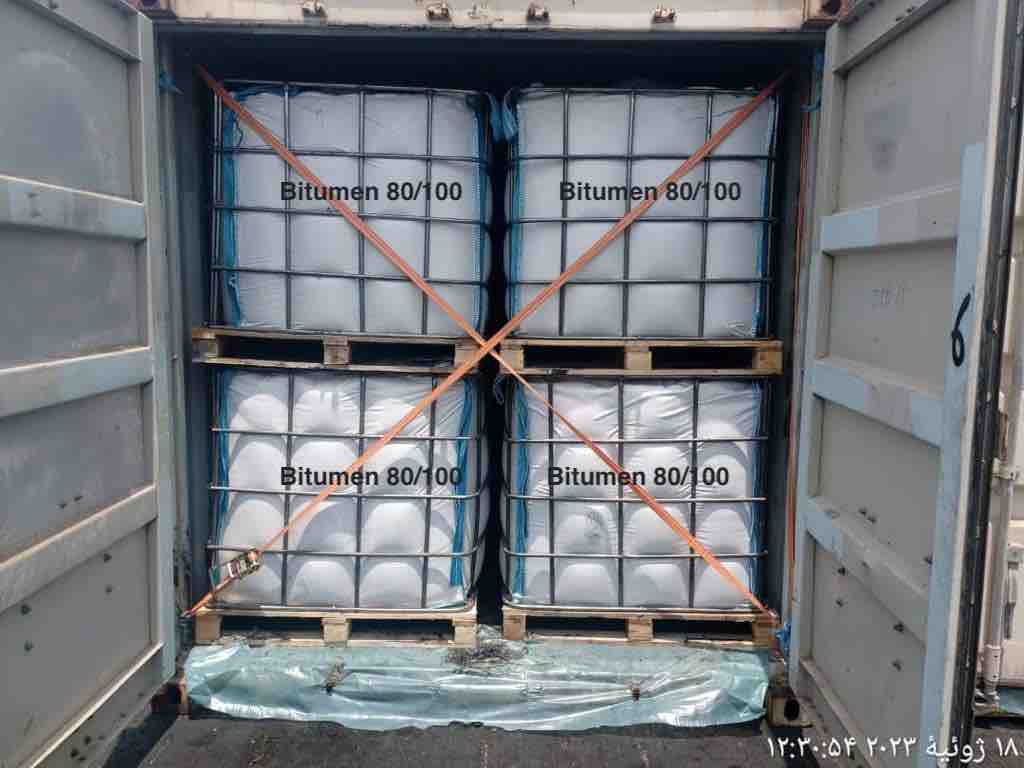
Jumbo bags with liners
During transport, consistent temperature control prevents hardening and contamination.
Quality Control and Standards Compliance
Reputable suppliers test each production batch before shipment. Independent inspectors often verify:
Penetration value
Softening point
Flash point
Solubility
Material commonly complies with ASTM D946, EN 12591, and relevant AASHTO requirements depending on the destination market. ATDMCO arranges third-party inspection and batch test certification to ensure shipment consistency and specification compliance.
Bitumen 80/100 vs Bitumen 60/70: Practical Comparison
Choosing the right grade depends on climate, traffic, and design requirements.
| Feature | Bitumen 80/100 | Bitumen 60/70 |
|---|---|---|
| Penetration | Softer (80–100) | Harder (60–70) |
| Softening Point | Lower | Higher |
| Climate Suitability | Cool to moderate | Hot climates |
| Flexibility | Higher | Moderate |
| Rutting Resistance | Moderate | Higher |
Engineers often select 80/100 for flexibility and crack resistance, while 60/70 suits high-temperature and heavy-load environments.
Common Misunderstanding: “80/100 Is Not a Percentage”
Many buyers misunderstand the grade designation.
80/100 does not mean 80% or 100%.
It strictly refers to the penetration range measured in deci-millimeters. The number indicates softness, not composition ratio or quality level.
Understanding this prevents specification errors during procurement and project planning.
Real-World Buyer Considerations
Before purchasing, engineers and procurement teams usually ask:
Is the grade suitable for local climate conditions?
Does it meet ASTM or EN standards required by the project?
Can the supplier provide batch test reports and inspection certificates?
What packaging and delivery options reduce handling risks?
A reliable manufacturer or exporter answers these questions clearly and supports projects beyond simple supply. ATDMCO supplies Bitumen Grade 80/100 with controlled specifications, export-ready packaging, and documentation suited for international infrastructure projects.