
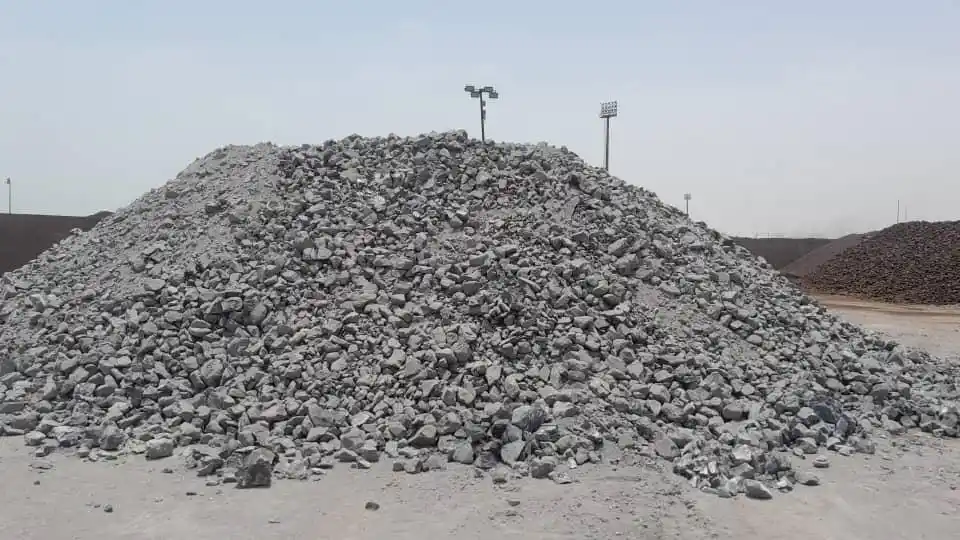
Comparison of Chrome Ore and Chromite
Chrome ore and chromite are closely related, but they are not exactly the same. Although people often use these terms interchangeably, they have different meanings in the mining and mineral processing industries.
Chromite
Chromite is a naturally occurring mineral composed primarily of chromium, iron, and oxygen (FeCr₂O₄). It is the main commercial source of chromium, an essential metal used in stainless steel production, chrome plating, and various industrial applications.
Chromite is a key raw material for extracting chromium and producing ferrochrome, which improves the strength, hardness, and corrosion resistance of steel alloys.
Chrome Ore
Chrome ore refers to the naturally occurring rock or mineral deposit that contains chromite in sufficient quantities for economic extraction.
Mining companies extract chrome ore and process it to increase its chromium content. Depending on its grade and composition, the ore may undergo crushing, screening, beneficiation, and concentration before being supplied to industrial users.
Chromite: Mining, Reserves, and Economic Significance
Chromite is an important mineral resource that supports the global mining, metallurgical, and manufacturing industries. Its primary industrial value comes from its chromium content, which manufacturers use to produce ferrochrome, stainless steel, specialty alloys, and refractory materials.
Major chromite-producing regions contribute to international supply chains by providing raw ore and processed concentrates to steel manufacturers and other industrial consumers.
The global chromite industry plays a significant role in industrial development, particularly as demand for corrosion-resistant steel, high-performance alloys, and specialized refractory materials continues.
Chromite deposits occur in different geological formations worldwide. Mining companies extract the mineral for domestic consumption and international export, with the steel and refractory industries representing major markets.
Chromite Mining Regions and Mineral Deposits
Chromite deposits are found in various mineral-rich regions worldwide. The quality, grade, and commercial value of each deposit depend on its chromium oxide content, chromium-to-iron ratio, mineral composition, and accessibility.
Several factors influence the development of chromite mining operations:
1. High-Grade Chromite Deposits
High-grade chromite deposits contain relatively high concentrations of chromium oxide (Cr₂O₃). These deposits are particularly valuable for ferrochrome production and other metallurgical applications.
Mining companies may use open-pit or underground extraction techniques depending on the deposit’s depth, geological structure, and economic feasibility.
2. Industrial Mining Locations
Chromite mining operations often develop in regions with established mining infrastructure, transportation networks, and access to international shipping routes.
Reliable logistics and processing facilities help suppliers transport chrome ore and chromite concentrate to customers in Asia, Europe, and other industrial markets.
3. Developing Mineral Resources
Exploration companies continue to identify and evaluate new chromite deposits through geological surveys, mineral sampling, and feasibility studies.
These activities support long-term mineral availability and create opportunities for expanding production capacity.
The Chromite Mining Process
Chromite mining involves several stages, from exploration and extraction to beneficiation, processing, and transportation. Understanding these stages helps industrial buyers evaluate product quality and supply reliability.
1. Exploration and Prospecting
The first stage involves identifying potential chromite deposits through geological surveys, sampling, and mineral exploration.
Mining companies assess ore grade, deposit size, geological conditions, and extraction costs before developing commercial mining operations.
2. Extraction
Mining companies extract chrome ore using open-pit or underground mining techniques, depending on deposit characteristics.
Open-pit mining is suitable for deposits located near the surface, while underground mining allows access to deeper mineral resources.
The selected extraction method depends on safety considerations, environmental requirements, and production costs.
3. Beneficiation
After extraction, raw chrome ore undergoes beneficiation to improve its chromium concentration and reduce unwanted impurities.
Common processing methods include:
Crushing and screening
Grinding and classification
Gravity separation
Magnetic separation, where technically suitable
Washing and concentration
The resulting chromite concentrate is prepared for metallurgical processing, industrial use, or export.
4. Smelting and Ferrochrome Production
Metallurgical-grade chromite is used in the production of ferrochrome, an essential alloy for stainless steel manufacturing.
During smelting, manufacturers combine chromite with suitable reducing agents and fluxes under high-temperature conditions.
The resulting ferrochrome provides chromium for steel production, improving corrosion resistance and mechanical performance.
Chromite Production and the Global Market
Chromite plays an important role in the international mineral market because manufacturers rely on chromium-based materials for various industrial processes.
Global demand comes primarily from stainless steel production, ferrochrome manufacturing, refractory applications, and specialized chemical industries.
Major producing countries supply chromite ore and concentrates to industrial markets worldwide.
1. Export Markets
International chromite trade supports steel and alloy manufacturers, particularly in countries with extensive metallurgical industries.
China, India, and other industrial markets import chrome ore and chromite concentrate for ferrochrome production and related applications.
Exporters must maintain consistent product specifications, reliable logistics, and competitive pricing to meet international buyer requirements.
2. Industrial Consumption
The stainless steel industry represents the largest source of demand for chromite-derived chromium.
Other applications include:
Ferrochrome production
Specialty steel alloys
Refractory bricks and materials
Foundry sand
Chromium chemical manufacturing
Industrial surface treatments
Demand varies according to manufacturing activity, product specifications, and global market conditions.
3. Strategic Advantages
Reliable chromite suppliers benefit from access to established mining operations, mineral processing facilities, and international transportation routes.
Efficient logistics, consistent quality control, and flexible packaging options help suppliers meet the requirements of industrial customers.
ATDM CO supplies chrome ore and chromite products to international buyers through its trading and export operations in the UAE and Turkey.
Challenges Facing the Chromite Industry
The chromite mining and processing industry faces several challenges that can influence production costs, product availability, and international trade.
Key challenges include fluctuating market prices, energy costs, transportation expenses, environmental requirements, and variations in ore quality.
Mining companies and suppliers must address these factors to maintain efficient operations and reliable international supply.
Future Outlook for the Chromite Industry
The future of the chromite industry depends on global stainless steel production, ferrochrome demand, mineral exploration, and improvements in mining technology.
Continued investment in processing efficiency and environmental management can support the long-term development of chromite resources.
1. Expanding Exploration and Production
Mining companies continue to explore new chromite deposits and improve extraction techniques to increase production efficiency.
Modern geological analysis and mineral processing technologies help operators evaluate deposits and recover chromium-bearing minerals more effectively.
2. International Trade and Supply Chains
Reliable transportation networks and access to international shipping routes play an important role in mineral exports. Trade corridors connecting the Middle East, Asia, and Europe, including routes through the Persian Gulf, help suppliers transport chrome ore and chromite concentrate to global industrial markets.
International trade remains essential to the chromite market because major industrial consumers depend on imported raw materials.
Suppliers are developing stronger logistics networks and diversified sourcing strategies to improve delivery reliability.
Transportation infrastructure and access to major shipping routes also influence chromite pricing and availability.
Established trading networks connecting the Middle East, Asia, Europe, and Africa support international mineral distribution.
3. Sustainable Mining Initiatives
Environmental management is becoming increasingly important in chromite mining and processing.
Responsible mining practices may include:
Reducing water consumption
Improving energy efficiency
Managing mining waste
Restoring disturbed land
Controlling dust and industrial emissions
Improving mineral recovery rates
These measures can help reduce environmental impacts while supporting long-term mining operations.
Conclusion
Chromite remains an essential mineral for the global steel, metallurgy, refractory, and chemical industries. Its role in ferrochrome and stainless steel production makes it a valuable raw material for industrial manufacturers worldwide.
As demand for specialized alloys and corrosion-resistant materials develops, suppliers must focus on consistent product quality, efficient processing, and reliable international delivery.
ATDM CO supports industrial buyers by supplying chrome ore and chromite products through international trading operations in Dubai, UAE, and Turkey, offering bulk supply solutions for different industrial requirements.
Chromite is a naturally occurring mineral containing chromium, iron, and oxygen (FeCr₂O₄). Chrome ore refers to the mined rock that contains chromite in commercially valuable quantities. Manufacturers process chrome ore to recover chromite concentrate for industrial applications.
Chrome ore is primarily used to produce ferrochrome, an essential alloy in stainless steel manufacturing. Other applications include refractory materials, foundry operations, chemical production, and specialty alloys.
Chromium oxide (Cr₂O₃) content varies depending on the deposit and processing method. Commercial chromite products may contain approximately 30% to over 50% Cr₂O₃. Buyers should verify the chemical analysis before purchasing.
Metallurgical-grade chromite is mainly used for ferrochrome production and is selected according to chromium content, chromium-to-iron ratio, and impurities. Refractory-grade chromite is chosen for its heat resistance, mineral stability, and suitability for high-temperature industrial applications.
Chromite processing typically involves crushing, screening, grinding, and beneficiation. Depending on the ore characteristics, producers use gravity or magnetic separation to increase chromium concentration and remove unwanted minerals.
Chrome ore prices depend on Cr₂O₃ content, chromium-to-iron ratio, particle size, impurities, market demand, order quantity, transportation costs, and delivery terms. Higher-grade materials may command higher prices depending on their industrial suitability.