
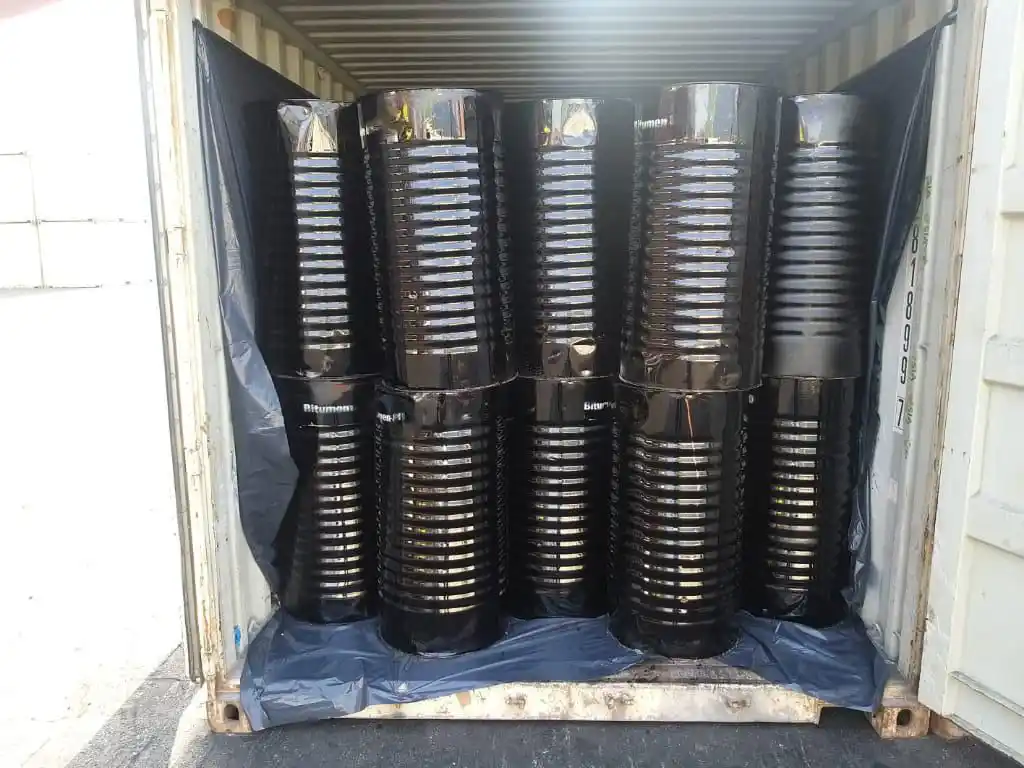
Bitumen A-P1, also known as Polymer-Modified Bitumen A-P1 (PMB A-P1), is a high-quality binder engineered for demanding road-construction applications. This grade of polymer-modified bitumen is created by blending high-purity bitumen with carefully selected polymers; as a result, it gains enhanced elasticity, stronger adhesion, and greater resistance to deformation. Therefore, the outcome is a highly durable pavement material that performs exceptionally well under heavy traffic and in harsh climatic conditions. PMB A-P1 provides better fatigue resistance, improved flexibility at low temperatures, and outstanding rutting resistance at high temperatures—making it a reliable solution for both tropical and cold regions.
Chemical Composition and Identification
Chemical Name: Polymer-Modified Bitumen A-P1
Other Names: PMB A-P1, Modified Asphalt Binder A-P1, Bitumen A-P1 Binder
CAS Number: 8052-42-4 (Base Bitumen)
HS Code: 2715.00.00 (Bituminous mixtures based on natural asphalt or bitumen)
The polymer additives are usually SBS (Styrene-Butadiene-Styrene) or EVA (Ethylene-Vinyl-Acetate), which improve the binder’s performance by forming a flexible, elastic network inside the bitumen matrix.
What Makes Bitumen A-P1 Special
Unlike conventional penetration-grade bitumen, Bitumen A-P1 maintains its physical integrity across a wide temperature range. The polymer modification boosts elasticity and recovery after deformation, reducing the risk of rutting in hot climates and cracking in cold weather.
It also offers better adhesion to aggregates, reducing stripping and moisture-induced damage. With a high softening point and excellent elastic recovery, Bitumen A-P1 ensures long-lasting pavements and extended maintenance intervals—ideal for premium highways, airport runways, and bridge decks.
Technical Properties of Bitumen A-P1
| Property | Unit | Typical Range (A-P1) |
|---|---|---|
| Softening Point (Ring & Ball) | °C | 60 – 75 |
| Penetration at 25 °C | 0.1 mm | 40 – 60 |
| Elastic Recovery @ 15 °C | % | ≥ 60 |
| Ductility @ 25 °C | cm | ≥ 50 |
| Flash Point (COC) | °C | ≥ 250 |
| Viscosity @ 135 °C | cSt | 300 – 600 |
| Solubility in Trichloroethylene | % | ≥ 99 |
| Density @ 25 °C | g/cm³ | 1.01 – 1.05 |
These properties make Bitumen A-P1 a high-performance binder suitable for heavy-duty pavements and demanding environmental conditions.
Usage and Applications
Bitumen A-P1 is made for road and infrastructure projects that need strong performance and long-lasting stability. Its main uses include:
Highways and Expressways:
Used as a top-layer binder on busy roads. As a result, it helps prevent rutting and cracking caused by heavy traffic.
Airport Runways and Taxiways:
Its high strength and heat resistance make Bitumen A-P1 perfect for runways that face heavy aircraft loads.
Bridge Decks and Interchanges:
It offers great flexibility and adhesion; therefore, it reduces the chance of cracks forming on bridge surfaces.
Urban Roads and Industrial Areas:
In addition, it provides smooth surfaces and resists deformation from frequent braking and acceleration.
Rural and Desert Roads:
Performs well in both hot and cold conditions, keeping flexibility and strength even under extreme temperatures.
Maintenance and Overlays:
Moreover, it is ideal for resurfacing and repair projects that need stronger and longer-lasting pavements.
Advantages of Bitumen A-P1
Superior Elasticity:
Stays flexible at low temperatures and resists deformation under heavy loads.
High Softening Point:
Therefore, it handles high temperatures without rutting or bleeding.
Excellent Adhesion:
Forms a strong bond with aggregates to ensure long-lasting asphalt.
Improved Fatigue Resistance:
As a result, it helps reduce cracking and extends pavement life.
Enhanced Water Resistance:
Prevents damage from water and stops stripping in wet conditions.
Extended Service Life:
In addition, it lowers maintenance costs thanks to its strong, durable performance.
Together, these qualities make Bitumen A-P1 the preferred binder for high-quality and long-lasting road construction projects.
Production and Quality Control
Bitumen A-P1 is manufactured through a controlled blending process where high-quality base bitumen is mixed with polymer additives using specialized equipment. The production process ensures homogeneity, thermal stability, and consistent rheological performance.
Each batch is tested according to international standards such as ASTM D5, ASTM D36, ASTM D113, and EN 1426/1427, guaranteeing reliability for both hot-mix and warm-mix asphalt applications.
Storage and Handling
Storage Temperature: 160 – 180 °C
Application Temperature: 150 – 170 °C
Shelf Life: 12 months (in sealed containers or bulk tanks)
Store in clean, dry, and temperature-controlled tanks to maintain product quality. Avoid overheating or prolonged storage at high temperatures.
Packaging Options
Bitumen A-P1 is available in various packaging formats suitable for export and bulk delivery:
New Steel Drums
Jumbo Bags (1 MT)
Bulk Delivery in Bitutainers, Flexitanks, or Tankers
All packaging follows international shipping standards to ensure safe handling and efficient unloading at destination.
Environmental and Safety Notes
While Bitumen A-P1 is non-hazardous under normal use, proper precautions should be observed during heating and application:
Avoid direct contact with skin.
Use personal protective equipment (gloves, goggles, and respirators).
Prevent spillage into drains or natural water sources.
Follow safety data sheet (MSDS) guidelines for detailed instructions.
Conclusion
Bitumen A-P1 is a new type of polymer-modified bitumen that performs very well in different weather and traffic conditions. It has high elasticity, strong adhesion, and great resistance to deformation; therefore, it helps pavements stay stronger and last longer.
In addition, Bitumen A-P1 provides an ideal mix of flexibility and stability for roads, airports, and bridges—making it a top choice for engineers and contractors who want long-lasting, high-quality asphalt surfaces.