
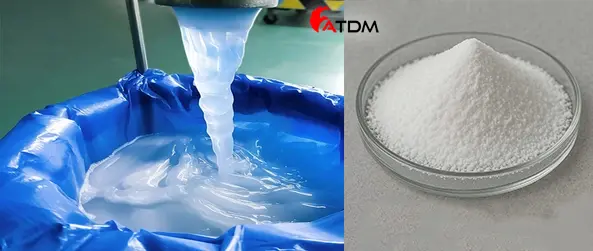
The discussion around SLES vs SLS continues to grow because manufacturers, cosmetic brands, and consumers all want safer and more effective surfactants. Many industries use both ingredients in shampoos, soaps, detergents, facial cleansers, and industrial cleaning products. However, important differences separate these two compounds.
Today, companies focus more on mild cleansing systems, consumer safety, and sustainable formulations. As a result, understanding the real comparison between sodium laureth sulfate and sodium lauryl sulfate helps manufacturers make better formulation decisions.
Moreover, the global demand for sulfate based surfactants continues to increase because these ingredients provide strong cleaning performance, excellent foam generation, and cost efficiency. Therefore, choosing between the two requires careful analysis of performance, irritation level, formulation stability, and industrial application.
Understanding the Debate Around SLES vs SLS
Manufacturers often compare these surfactants because both belong to the anionic surfactant category. In addition, both ingredients create foam, remove oil, and improve cleaning efficiency. However, their chemical processing methods create major differences in mildness and skin compatibility.
Many consumers search for sulfate free products because they associate sulfates with dryness or irritation. Still, numerous cosmetic and cleaning brands continue using sulfate based systems due to their affordability and superior cleansing strength.
Furthermore, formulators frequently evaluate cleansing performance, foam stability, viscosity control, and compatibility with active ingredients before selecting either compound.
As consumer awareness rises, brands now market products using phrases such as:
- gentle cleansing formula
- sulfate cleansing system
- mild surfactant blend
- deep cleansing shampoo
- sensitive skin cleanser
- high foam detergent
- low irritation surfactant
Consequently, the comparison between Sodium lauryl ether sulfate and SLS remains one of the most searched topics in the surfactant industry.
Chemical Structure Differences SLES vs SLS
Sulfate Composition
The primary difference comes from the molecular structure. SLS contains a simpler chemical structure, while SLES undergoes an ethoxylation process that changes its behavior and performance.
This structural variation significantly affects skin feel, irritation level, and formulation flexibility. Therefore, cosmetic chemists often choose formulations based on the target audience and product category.
Additionally, manufacturers that develop baby care products, sensitive skin cleansers, or premium shampoos usually prioritize milder surfactant systems.
Ethoxylation Process
The ethoxylation process gives SLES a softer interaction with skin and scalp surfaces. As a result, many personal care brands consider it a gentler alternative in cleansing formulations.
Moreover, this process improves compatibility with conditioning agents, moisturizing ingredients, and fragrance systems. Consequently, formulators gain greater flexibility while creating modern cosmetic products.
Cleaning Performance Comparison of SLES vs SLS
Foam Production
Foam quality strongly influences consumer satisfaction. People often associate rich foam with deep cleaning performance. Fortunately, both surfactants produce excellent lather.
However, SLES generally creates smoother and creamier foam textures. Therefore, many shampoo and body wash manufacturers prefer it for premium formulations.
In contrast, SLS delivers aggressive cleansing and rapid foam generation. Because of this strength, industrial cleaning manufacturers still use it in heavy-duty cleaning systems.
Additionally, stable foam performance improves user experience in:
- shampoos
- liquid soaps
- bubble baths
- hand washes
- car wash liquids
- industrial cleaners
Oil and Dirt Removal
Both compounds effectively remove dirt, grease, and excess oil. Nevertheless, SLS removes oils more aggressively. Consequently, repeated use may leave skin or scalp feeling dry.
Meanwhile, SLES balances cleansing efficiency with improved mildness. Therefore, formulators often use it in daily use personal care products.
Furthermore, cosmetic brands now combine sulfate systems with conditioning ingredients to reduce dryness and improve softness.
Skin and Scalp Effects
Irritation Potential
One major factor in the SLES vs SLS discussion involves irritation potential. Many dermatologists and cosmetic formulators recognize that SLS may trigger irritation in sensitive individuals.
Because of this concern, manufacturers increasingly use milder surfactant combinations in skincare and haircare formulations.
At the same time, SLES offers a gentler cleansing experience for many users. Therefore, brands targeting sensitive skin often prefer formulations that rely on softer surfactant systems.
Moreover, consumer demand for mild shampoos and sulfate balanced cleansers continues rising worldwide.
Moisture Retention
Maintaining moisture balance remains essential in modern personal care products. Products that excessively strip oils often damage customer satisfaction and long term product loyalty.
Fortunately, SLES formulations usually support better moisture retention than harsher cleansing systems. As a result, many moisturizing shampoos and body cleansers include SLES based surfactants.
In addition, beauty brands now market products with claims such as:
- moisturizing shampoo
- hydrating cleanser
- gentle sulfate system
- daily use face wash
- scalp friendly formula
These claims directly influence purchasing behavior in the global cosmetics market.
SLES vs SLS in Personal Care Products
Shampoo Formulations
Shampoo manufacturers constantly evaluate cleansing efficiency, foam density, and scalp comfort. Therefore, many companies use SLES in premium and daily use shampoos.
Additionally, SLES blends effectively with conditioning polymers and botanical extracts. Consequently, formulators achieve smoother textures and enhanced hair feel.
Meanwhile, SLS still appears in clarifying shampoos because of its strong oil removal capability.
Toothpaste Applications
Toothpaste formulations also rely on surfactants to distribute active ingredients and create foam during brushing.
However, some consumers prefer milder toothpaste formulas because aggressive surfactants may contribute to oral sensitivity in certain cases.
As consumer awareness grows, brands increasingly focus on comfort driven oral care solutions.
Facial Cleansers
Facial skin requires balanced cleansing without excessive dryness. Therefore, many facial cleanser brands prefer gentler surfactant systems.
Moreover, skincare trends now emphasize hydration, skin barrier protection, and low irritation ingredients. Consequently, formulators continue adjusting surfactant combinations to meet market demand.
Industrial Applications of SLES vs SLS
Detergent Manufacturing
The detergent industry heavily depends on surfactants because they remove grease, stains, and dirt efficiently.
Manufacturers select surfactants based on:
- cost efficiency
- foam stability
- water compatibility
- grease removal
- viscosity control
- formulation performance
Additionally, both surfactants remain widely used in household and industrial cleaning products.
Textile and Chemical Industries
Textile processing also requires effective surfactants for wetting, emulsifying, and cleaning operations.
Furthermore, chemical manufacturers use sulfate surfactants in:
- emulsification systems
- degreasing solutions
- industrial washing
- agricultural chemicals
- surface treatment applications
As industrial production expands globally, surfactant demand continues increasing across multiple sectors.
Environmental Impact and Biodegradability
Environmental responsibility now shapes purchasing decisions and industrial regulations. Therefore, manufacturers increasingly prioritize biodegradable surfactants and eco-conscious formulations.
Fortunately, modern sulfate surfactants generally demonstrate biodegradability under proper wastewater treatment conditions.
Moreover, companies continue investing in sustainable manufacturing processes and safer chemical handling systems.
Regulatory agencies also monitor ingredient safety, environmental discharge, and formulation compliance across global markets.
Market Demand and Industry Trends
The global surfactant market continues expanding due to increasing demand for:
- personal care products
- household cleaners
- industrial detergents
- car care products
- cosmetic formulations
Additionally, consumers increasingly seek products that combine:
- effective cleansing
- skin comfort
- rich foam
- mild formulations
- affordable pricing
Therefore, manufacturers constantly reformulate products to balance performance and consumer expectations.
Choosing the Right Surfactant
Selecting the ideal surfactant depends on product goals, target consumers, formulation requirements, and performance expectations.
For example:
- strong degreasing products may prioritize stronger cleansing systems
- daily use cosmetics often require gentler surfactants
- premium beauty products focus on softness and sensory feel
- industrial cleaners demand maximum efficiency
Consequently, manufacturers must evaluate every formulation carefully before production.
Why Manufacturers Prefer Reliable Suppliers
High quality raw materials directly affect formulation consistency, product safety, and manufacturing efficiency. Therefore, businesses prefer experienced chemical suppliers with reliable quality standards.
ATDM stands out as a trusted supplier of SLES for various industries. The company supports manufacturers with consistent product quality, reliable supply chains, and professional service standards.
Additionally, companies working with dependable suppliers often achieve:
- better production efficiency
- consistent formulation performance
- reduced manufacturing risks
- improved product stability
Therefore, selecting the right supplier remains essential for long term business growth.
For additional industry insights, visit Chemicals Technology
FAQs SLES vs SLS
Is SLES milder than SLS?
Yes. Many formulators consider SLES milder because its ethoxylated structure creates a softer cleansing effect.
Why do manufacturers still use SLS?
Manufacturers continue using SLS because it offers strong cleansing performance, excellent foam production, and cost efficiency.
Which surfactant works better in shampoos?
Many shampoo brands prefer SLES because it balances foam quality, cleansing performance, and scalp comfort.
Are sulfate surfactants biodegradable?
Most modern sulfate surfactants demonstrate biodegradability under controlled wastewater treatment systems.
Why is foam important in cleansing products?
Consumers often associate rich foam with effective cleaning performance and improved user experience.
How does ATDM support manufacturers?
ATDM supplies high quality SLES solutions for industrial and personal care manufacturing applications.
Conclusion: SLES vs SLS
The SLES vs SLS comparison remains highly important across cosmetic, cleaning, and industrial sectors. Both surfactants provide excellent cleansing performance, foam generation, and formulation versatility. However, differences in mildness, irritation potential, and application suitability influence formulation decisions.
Today, brands focus heavily on balancing cleaning strength with user comfort. Consequently, many companies prefer gentler surfactant systems for modern personal care formulations.
At the same time, industrial manufacturers still value strong cleaning efficiency and cost performance. Therefore, selecting the right surfactant depends entirely on product goals and market demands.
Reliable sourcing also plays a critical role in product quality and manufacturing success. As a trusted supplier of SLES, ATDM continues supporting industries with dependable surfactant solutions and consistent supply standards.