
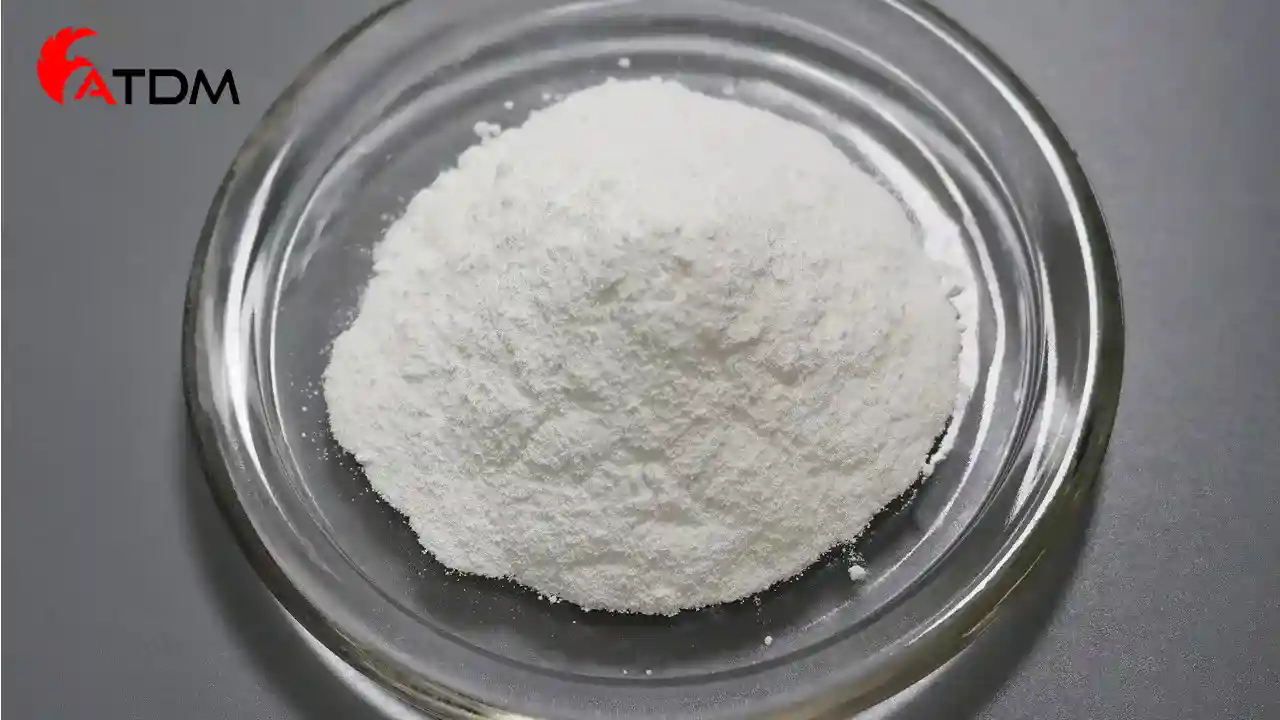
The debate around soda ash dense vs light continues across multiple industries because both grades serve different operational purposes. Manufacturers, chemical processors, detergent producers, and glass companies often compare dense soda ash and light soda ash before selecting the ideal material for production efficiency.
Although both grades share the same chemical composition, they differ significantly in physical structure, particle size, bulk density, transportation efficiency, storage behavior, and industrial performance. Therefore, understanding these differences helps businesses reduce waste, improve handling, and optimize production output.
Industries worldwide continue to increase demand for both dense soda ash and light soda ash because these materials support several large-scale manufacturing operations. As a result, procurement teams now focus heavily on quality consistency, supply reliability, and cost efficiency when choosing a supplier.
Among trusted suppliers, ATDM continues to support industrial buyers with high-quality soda ash products, dependable logistics, and stable bulk supply solutions.
Understanding the Core Difference Between Soda Ash Dense and Light
The main distinction in the soda ash dense vs light comparison lies in physical density and particle structure. Dense soda ash contains larger and more compact granules, while light soda ash features finer and lighter particles.
This physical difference creates major operational impacts across manufacturing environments. For example, dense soda ash occupies less storage space because it offers higher bulk density. In contrast, soda ash light spreads more easily during processing because of its fine texture.
Many industrial buyers prefer dense soda ash for automated material handling systems because it flows smoothly and creates less dust. Meanwhile, detergent manufacturers often select soda ash light due to its faster dissolution properties and excellent blending behavior.
Consequently, choosing between soda ash dense and soda ash light depends heavily on the intended industrial application.
Physical Properties That Separate Dense and Light Soda Ash
Physical properties strongly influence product performance. Therefore, industries carefully evaluate each property before purchasing large quantities.
Particle Size Comparison
Dense soda ash contains larger crystal particles. These particles improve flow characteristics and reduce airborne dust during transportation and handling.
On the other hand, light soda ash features smaller particles with a powder-like appearance. Because of this structure, light soda ash disperses quickly during mixing operations.
Large-scale factories usually favor materials that improve operational cleanliness. Therefore, dense soda ash often becomes the preferred option for enclosed systems.
Bulk Density Variations
Bulk density represents one of the biggest differences in the soda ash dense vs light discussion.
Dense soda ash generally provides a bulk density between 0.9 and 1.1 g/cm³. In comparison, light soda ash typically ranges from 0.5 to 0.6 g/cm³.
Higher density creates several benefits:
- Reduced storage volume
- Lower transportation costs
- Improved packaging efficiency
- Better conveyor system performance
As a result, industries handling bulk shipments often choose dense soda ash to reduce operational expenses.
Flowability and Handling Characteristics
Dense soda ash flows more efficiently through industrial feeding systems. Furthermore, it minimizes product loss because it generates less airborne dust.
In contrast, soda ash light may require additional dust control systems during handling. However, its lighter structure supports faster chemical interaction in some applications.
Therefore, manufacturers balance handling convenience against process requirements before making a final decision.
Manufacturing Process soda ash dense vs light
Production methods also contribute to performance variations between dense and light soda ash.
Production Route for Soda Ash Light
Manufacturers first produce soda ash light through chemical refining and crystallization processes. The result is a fine, lightweight powder with lower bulk density.
Industries commonly use this form directly in detergent manufacturing, textile processing, and chemical formulations.
Conversion Process for Soda Ash Dense
Manufacturers create dense soda ash by hydrating and recrystallizing soda ash light under controlled conditions. This process enlarges the crystal structure and increases density.
Because of this additional processing step, dense soda ash achieves stronger mechanical properties and superior transportation efficiency.
Soda Ash Dense vs Light in Industrial Applications
Different industries demand different performance characteristics. Therefore, application requirements largely determine product selection.
Glass Manufacturing
Glass manufacturers remain the largest consumers of dense soda ash worldwide.
Dense soda ash performs exceptionally well in glass furnaces because it:
- Reduces dust generation
- Improves furnace feeding
- Enhances melting consistency
- Supports energy-efficient operations
Flat glass, container glass, fiberglass, and solar glass industries heavily rely on dense soda ash for stable production quality.
Detergent and Cleaning Industry
Detergent manufacturers often prefer soda ash light because it blends rapidly with surfactants and additives.
Its fine texture improves:
- Powder uniformity
- Mixing speed
- Product consistency
- Dissolution behavior
As detergent demand grows globally, soda ash light consumption continues to rise steadily.
Chemical Processing
Chemical plants use both grades depending on process design.
Dense soda ash supports bulk reactor feeding systems, while light soda ash performs better in rapid-reaction formulations.
Therefore, chemical engineers evaluate process speed, feeding methods, and storage capacity before selecting the suitable grade.
Water Treatment Plants
Water treatment facilities use soda ash for pH control and water conditioning.
Many treatment plants prefer dense soda ash because it:
- Creates less dust
- Simplifies bulk handling
- Improves worker safety
- Reduces material waste
However, smaller treatment systems may choose soda ash light for faster dissolution.
Storage and Transportation Advantages
Transportation efficiency plays a major role in industrial purchasing decisions.
Dense soda ash delivers significant logistical advantages because higher density allows companies to transport more material in less space. Consequently, shipping costs decrease substantially.
Additionally, dense soda ash minimizes:
- Product compaction issues
- Packaging damage
- Dust contamination
- Material loss during unloading
By contrast, soda ash light requires more storage volume and careful dust management systems.
For international buyers importing large quantities, dense soda ash usually provides better overall cost efficiency.
Cost Comparison and Operational Efficiency
The price difference between dense soda ash and light soda ash often depends on production complexity, transportation distance, and industrial demand.
Although dense soda ash may involve slightly higher processing costs, it frequently reduces overall operational expenses because of:
- Lower freight costs
- Reduced dust loss
- Better storage utilization
- Improved handling efficiency
Meanwhile, soda ash light may offer cost benefits for industries requiring fast dissolution and fine particle blending.
Therefore, businesses should evaluate total operational costs instead of focusing only on product pricing.
Solubility and Reaction Performance
Solubility behavior also influences industrial performance.
Soda ash light dissolves more rapidly because of its finer particles and larger surface area. Therefore, industries requiring quick chemical reactions often favor this grade.
Dense soda ash dissolves more slowly. However, it delivers controlled feeding performance and improved storage stability.
This balance between dissolution speed and handling efficiency remains central to the soda ash dense vs light comparison.
Choosing the Right Grade for Industrial Use
Selecting the correct soda ash grade requires careful technical evaluation.
Factors to Consider Before Buying
Industrial buyers should assess:
- Production system design
- Storage capacity
- Transportation methods
- Dust control requirements
- Reaction speed needs
- Material handling systems
These factors directly influence long-term operational performance.
Industry-Specific Requirements
Different sectors prioritize different advantages.
| Industry | Preferred Grade |
|---|---|
| Glass Manufacturing | Dense Soda Ash |
| Detergent Production | Light Soda Ash |
| Water Treatment | Dense or Light |
| Chemical Processing | Both Grades |
| Textile Industry | Light Soda Ash |
Therefore, understanding application-specific needs improves purchasing accuracy.
Global Market Demand for Soda Ash Dense and Light
Global demand for soda ash continues to increase due to expanding industrial production, infrastructure development, and growing glass manufacturing sectors.
Asia-Pacific dominates global soda ash consumption because of strong industrial growth in:
- China
- India
- Southeast Asia
Additionally, solar panel manufacturing significantly increases dense soda ash demand because solar glass production requires high-purity raw materials.
As industries expand worldwide, buyers increasingly seek dependable suppliers capable of maintaining stable quality and consistent delivery schedules.
Why ATDM Is a Reliable Soda Ash Supplier
Industrial buyers need suppliers that combine product quality with dependable logistics. Therefore, many companies choose ATDM for soda ash procurement.
ATDM supports businesses with:
- Consistent product quality
- Reliable international supply
- Bulk shipment capabilities
- Competitive pricing
- Professional customer support
Furthermore, ATDM supplies both soda ash dense and soda ash light to meet diverse industrial requirements.
Companies seeking long-term operational efficiency often prioritize supplier reliability alongside product performance. Consequently, ATDM continues to strengthen its position in global soda ash distribution.
For more industry information, visit World Soda Ash Conference
Common Challenges Buyers Face
Industrial buyers frequently encounter several procurement challenges, including:
- Inconsistent product quality
- Delayed shipments
- Excessive dust formation
- Packaging failures
- Storage inefficiencies
However, choosing the appropriate soda ash grade and working with experienced suppliers significantly reduces these issues.
Proper technical consultation also helps companies optimize operational efficiency and minimize production interruptions.
Frequently Asked Questions
Which is better: soda ash dense or light?
Neither grade is universally better. The ideal choice depends on industrial application requirements, handling systems, and dissolution needs.
Why does dense soda ash cost more in some markets?
Dense soda ash undergoes additional processing, which may increase production costs. However, it often lowers transportation and handling expenses.
Which grade works best for glass manufacturing?
Dense soda ash performs best for glass manufacturing because it improves furnace feeding and reduces dust generation.
Does soda ash light dissolve faster?
Yes. Soda ash light dissolves more rapidly because of its smaller particle size and larger surface area.
Can industries use both grades interchangeably?
Some industries can substitute one grade for another, but performance efficiency may vary depending on the production system.
Why do industries prefer ATDM for soda ash supply?
Industries trust ATDM because it provides consistent quality, stable supply chains, and reliable bulk delivery solutions.
Conclusion: soda ash dense vs light
The soda ash dense vs light comparison involves far more than simple particle differences. Density, handling behavior, transportation efficiency, dissolution speed, storage requirements, and industrial applications all influence product selection.
Dense soda ash offers major advantages in bulk handling, glass manufacturing, and transportation efficiency. Meanwhile, soda ash light supports faster dissolution, rapid blending, and efficient chemical processing.
As global industrial demand continues to rise, businesses increasingly prioritize reliable suppliers, consistent quality, and operational efficiency. Therefore, partnering with experienced suppliers like ATDM helps companies maintain stable production and long-term cost control.