
What is Hexamine? Production, Industrial Uses, and Global Supply
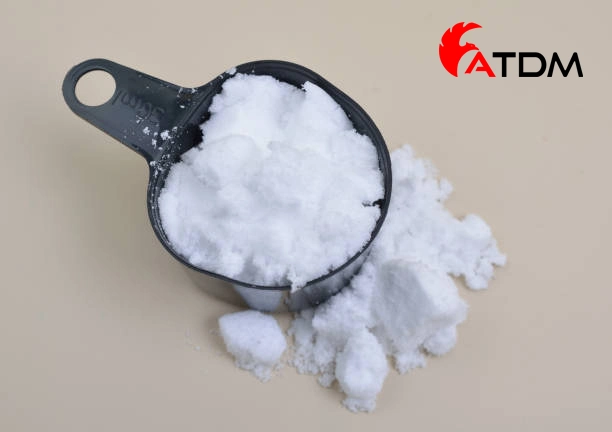
Hexamine (also known as hexamethylenetetramine or methenamine) is a flexible, multi-use organic chemical with the formula C6H12N4. In fact, this white, crystalline powder features a highly stable, symmetric cage-like shape that looks like adamantane. Consequently, this unique structure allows it to work well as a vital chemical builder, hardener, and solid fuel source. For this reason, industries around the world rely on hexamine powder to make phenolic resins, create high-energy fuel tablets, mix tough rubbers, and build common medicines. Therefore, it serves as a key foundation for modern factory manufacturing.
Technical Specifications: Formula and Cage Structure
To understand why this chemical works so reliably in high-heat environments, we must first look closely at its basic science.
The Chemical Formula
First of all, the molecular recipe for hexamine is always C6H12N4, and it carries a weight of 140.19 g/mol. In large plants, workers create the mix by combining formaldehyde with ammonia under tight temperature controls. Specifically, the reaction looks like this:
4NH3 + 6CH2O → C6H12N4 + 6H2O
The Molecular Structure
In addition to its formula, the physical layout of hexamine is quite rare. Specifically, it builds a perfectly balanced, solid cage. Four nitrogen atoms sit at the corners of a pyramid shape, while six small methylene (−CH2−) links bridge them together.
- Perfect Balance: Because the shape is so even, the crystals possess excellent physical strength.
- Easy Mixing: As a result, it dissolves quickly in water as well as in liquids like alcohol.
- Direct Gas Change: When you heat it openly, hexamine jumps straight from a solid to a gas at around 180°C without melting first.
Core Hexamine Uses Across Global Industries
Because hexamine carries both amine and formaldehyde traits inside one stable solid, buying teams order large batches for many different tasks.
1. Hardening Agent for Phenolic Resins
To begin with, the plastics and resin sector is the largest user of hexamine powder. Here, it serves as a hardener for novolac phenolic resins.
As soon as factories heat the resin mix above 130°C, the hexamine cage breaks apart. Next, it releases formaldehyde parts and ammonia gas. This action locks the chemical chains together into a stiff, heat-proof plastic. Consequently, you will find these cured plastics in:
- Car brake pads, clutch plates, and friction parts.
- Grinding wheels, heavy sandpapers, and sharp tools.
- Molded electric parts and safe, flame-proof boxes.
- Special foundry sands used to make metal casting shapes.
2. Solid Fuel Tablets
In addition to plastics, outdoor campers, army units, and rescue teams use hexamine fuel as a handy heat source. Usually, factories press the loose powder into hard, round fuel tablets that fit small stoves.
- Super Clean: For example, hexamine burns completely without making smoke, ash, or dark soot.
- High Heat Output: Furthermore, it gives off a lot of energy, which boils water very fast.
- Long Shelf Life: Unlike fluid fuel or gas tanks, these solid tablets will not leak or ruin over decades of storage.
- Extra Safety: Crucially, the tablets do not turn into liquid while they burn, which prevents dangerous camp fires.
3. Blast Supplies and Fireworks
Meanwhile, defense and space firms use hexamine as a basic building block for high-energy items. Through careful chemical steps, engineers turn hexamine into powerful crystals for defense use. At the same time, firework makers add hexamine to smoke flares to get a smooth, steady burn rate.
4. Rubber and Cloth Treatments
Finally, inside rubber factories, mixers add hexamine to keep rubber batches from burning too early during processing. It speeds up the baking process, which ensures that car tires, belts, and seals stay stretchy and strong for a long time.
Hexamine Uses in Medicine: The Methenamine Drug
Beyond dark factories and camp kitchens, hexamine plays a major role in healthcare. When cleaned up into a safe medical form, doctors prescribe it under the name methenamine.
Treating Bladder Infections
Most importantly, the hexamine drug works as a strong cleaner for the urinary tract, especially for patients with long-term infections.
- [Methenamine Tablet Digested]
- [Passes unchanged into kidneys & bladder]
- [Meets Acidic Urine (pH < 5.5)]
- [Changes into Formaldehyde & Ammonia]
- [Formaldehyde cleans the bladder area]
Because the active cleaner only forms inside acidic urine, it kills bad germs directly in the bladder. Consequently, it does not hurt good gut germs or cause bad side effects in the rest of the body.
Beating Germ Resistance
Additionally, medical experts prefer this drug for long-term care because germs cannot learn to beat it. While germs often change to survive normal pills, the fast cleaning action of formaldehyde wipes them out completely. For this reason, methenamine remains an essential tool for doctors today.
Sourcing and Supply Chain Management
Because factory uses need exact powder sizes and low moisture, picking a top hexamine supplier is vital to keep lines running without stops.
Forms and Shipping Packages
To fit different factory systems, global makers sell hexamine in two main styles:
- Pure Hexamine Powder: Raw crystalline powder that dissolves very quickly.
- Treated Hexamine: Mixed with tiny amounts of anti-clumping powder so it does not turn into hard blocks during long ocean trips.
Usually, suppliers pack these goods in 25-kg bags, large plastic bins, or giant 1,000-kg bags meant for heavy factory use.
Finding the Right Supply Partner
When choosing a vendor, buying managers must check for official quality certificates and global shipping approvals.
To secure smooth shipping, pure chemicals, and easy customs checks at borders, global buyers team up with known chemical networks like ATDM. As a result, they get a steady stream of material without sudden plant shutdowns.
Safety, Handling, and Storage Protocols
Since hexamine is a flammable solid that can release gasses when hot, plants must handle the powder with care.
Safe Storage Rules
- Keep it Cool: Store your hexamine in a cold, dry, airy warehouse far away from steam pipes and open flames.
- Keep it Separate: Be sure to store shipments away from strong acids to avoid dangerous chemical actions.
- Stop Moisture: Always keep bags closed tightly. Because hexamine sucks water out of the air, it can clump up and ruin your dry resin mixes.
Safety Gear (PPE)
Workers handling open hexamine powder must wear the right safety gear to protect their bodies:
- Dust masks to stop them from breathing in tiny floating crystals.
- Thick gloves to protect the skin from red patches or rashes.
- Clear safety glasses to shield the eyes from scratchy dust particles.
Industries mainly use hexamine to harden phenolic resins for car brake pads, make clean camping fuel tablets, treat industrial rubber, build defense supplies, and create bladder infection medicines.
No, you should not burn hexamine tablets in small, closed rooms. Although it burns cleanly without dark smoke, the fire still releases small amounts of ammonia and formaldehyde gases, so you need fresh outdoor air to stay safe.
When hexamine gets hotter than 130°C, its cage shape breaks down. After that, it frees up formaldehyde parts that lock the loose resin chains together, turning the soft mix into a tough, heat-proof plastic.
Factories must set up strong fan vents near mixing stations. Since hexamine dust can catch fire, workers must remove all sparks, ground all metal pipes to stop static shock, and clean up spills with safe, spark-free brooms.