
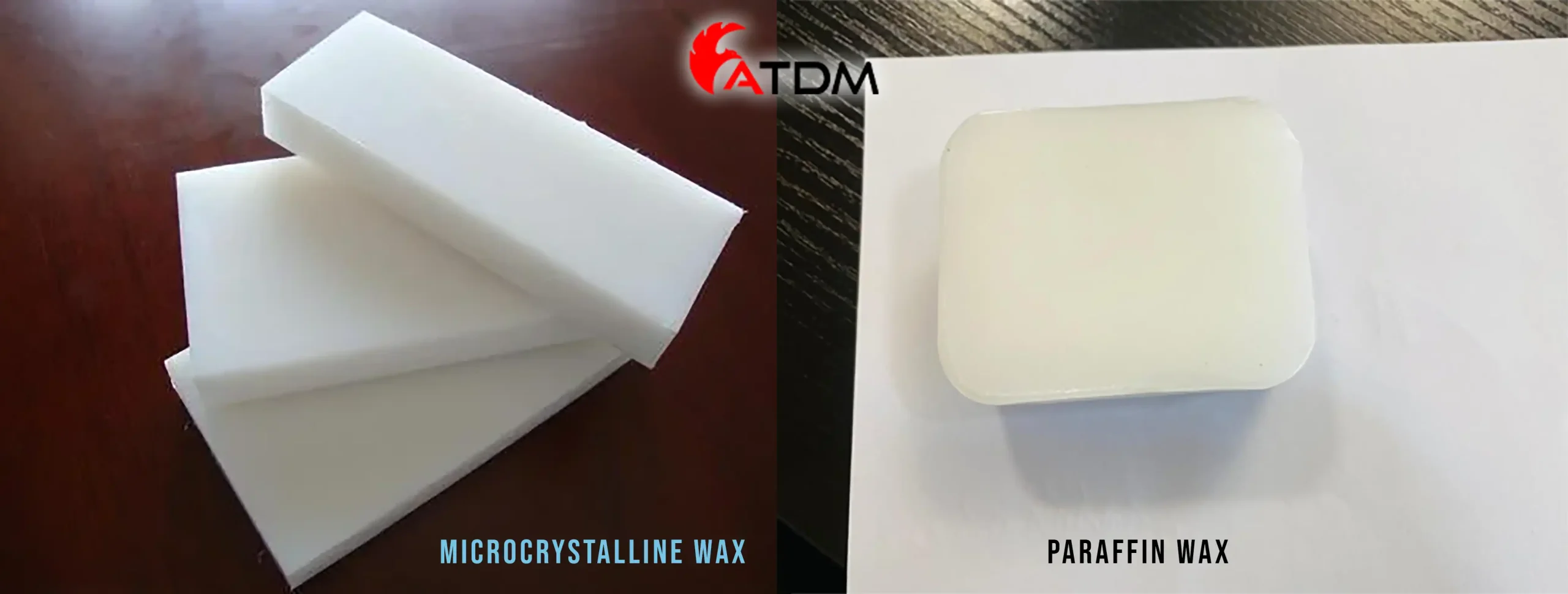
Microcrystalline Wax vs Paraffin Wax in Modern Industries
The debate around Microcrystalline Wax vs Paraffin Wax continues to grow across manufacturing, cosmetics, candle production, packaging, rubber processing, and industrial coating sectors. Manufacturers constantly compare wax flexibility, hardness, melting behavior, oil retention, and adhesive performance before choosing the right petroleum wax.
Today, industries demand high-performance wax solutions that improve durability, thermal resistance, product stability, and surface protection. As a result, both refined paraffin wax and microcrystalline petroleum wax play critical roles in global production chains.
Although both waxes originate from petroleum refining, they behave very differently during industrial processing. Consequently, choosing the correct wax directly impacts production efficiency, product quality, and long-term performance.
Crystal Structure Creates the Biggest Difference
One major distinction in the Microcrystalline Wax vs Paraffin Wax comparison involves crystal formation.
Microcrystalline wax contains extremely small crystals. Therefore, it creates a denser, more elastic, and more adhesive structure. This characteristic allows manufacturers to use it in applications requiring flexibility and strong binding performance.
Paraffin wax forms larger crystal patterns. As a result, it produces a cleaner appearance and smoother texture. Candle manufacturers especially prefer fully refined paraffin wax because it delivers excellent brightness and efficient burning performance.
Furthermore, microcrystalline wax improves toughness in formulations where cracking or brittleness may create problems. On the other hand, paraffin wax works better when rigidity and economical production matter most.
Industries using wax blends frequently combine both waxes to balance flexibility and hardness simultaneously.
Melting Point Performance and Thermal Stability
Thermal behavior significantly affects industrial wax selection.
Microcrystalline wax generally offers a higher melting point and stronger thermal resistance. Consequently, manufacturers use it in applications exposed to heat fluctuations, friction, or extended operating temperatures.
Paraffin wax melts faster and flows more easily. Therefore, it performs efficiently in candle making, paper coating, waterproof packaging, and wax dipping processes.
Microcrystalline Wax Advantages in Heat Stability
Better thermal endurance
Improved structural stability
Reduced cracking risk
Stronger flexibility under heat
Excellent sealing performance
Paraffin Wax Advantages in Processing
Faster melting speed
Easier blending
Lower production costs
Smooth pouring characteristics
Better transparency
Because of these differences, industrial buyers often compare paraffin wax melting point and microcrystalline wax viscosity before selecting raw materials.
Industrial Applications Continue Expanding Worldwide
Global demand for petroleum wax products keeps increasing because industries require reliable protective coatings, waterproof barriers, and flexible compounds.
Microcrystalline Wax Applications
Microcrystalline wax performs exceptionally well in:
Adhesives
Tire manufacturing
Rubber compounds
Cosmetics
Lip balm production
Pharmaceutical coatings
Electrical insulation
Hot melt adhesives
Industrial sealants
Chewing gum base
Protective polishes
Its tacky nature improves bonding strength and formulation stability. Therefore, cosmetic manufacturers frequently use it in skincare and beauty products.
Paraffin Wax Applications
Paraffin wax dominates in:
Candle manufacturing
Packaging
Corrugated board coating
Match production
Waterproof paper
Food packaging
Crayon production
Textile finishing
Wax coating
Industrial lubrication
Since paraffin wax remains cost-effective and widely available, many factories continue using it for high-volume production lines.
Flexibility and Adhesion Performance
Another important factor in the Microcrystalline Wax vs Paraffin Wax comparison involves elasticity and adhesion.
Microcrystalline wax delivers outstanding flexibility. Therefore, it resists breaking under pressure or movement. Manufacturers using laminating compounds or adhesive blends benefit greatly from this feature.
Additionally, its sticky texture improves bonding strength in industrial formulations.
Paraffin wax, however, feels harder and more brittle. Although it lacks elasticity, it provides smooth finishing and stable molding behavior.
This difference explains why industries producing flexible coatings often select microcrystalline wax instead of fully refined paraffin wax.
Candle Manufacturing Comparison
The candle industry heavily depends on both waxes.
Why Paraffin Wax Dominates Candle Production
Paraffin wax remains the leading candle wax because it offers:
Clean appearance
Excellent fragrance throw
Easy color blending
Affordable pricing
Consistent burn quality
Fast production capability
Manufacturers producing decorative candles, container candles, and pillar candles often prefer paraffin wax due to production efficiency.
Why Manufacturers Add Microcrystalline Wax to Candles
Many candle producers also add microcrystalline wax because it:
Improves flexibility
Prevents cracking
Enhances fragrance retention
Increases opacity
Strengthens candle structure
Consequently, wax blending has become extremely common in premium candle manufacturing.
Oil Content and Density Differences
Microcrystalline wax naturally retains more oil compared to paraffin wax. Therefore, it feels denser, softer, and more adhesive.
This higher oil retention helps improve:
Moisture resistance
Surface sealing
Protective coating performance
Rubber flexibility
Cosmetic texture
Paraffin wax contains lower oil content, especially fully refined paraffin wax grades. As a result, it appears cleaner, brighter, and more transparent.
Industrial buyers frequently compare semi refined paraffin wax and fully refined paraffin wax depending on required oil levels and purity standards.
Packaging and Waterproofing Efficiency
Packaging industries rely heavily on wax technology for moisture protection and durability.
Microcrystalline wax provides superior barrier properties because its dense crystal structure blocks moisture penetration more effectively.
Consequently, manufacturers use it in:
Food wrapping
Industrial packaging
Corrosion protection
Heavy-duty coatings
Moisture-resistant laminates
Paraffin wax also performs well in waterproof applications. However, it mainly suits lightweight packaging solutions and paper coating systems.
Because of rising demand for protective packaging, global wax suppliers continue expanding production capacity.
Cosmetics and Personal Care Industry Demand
Cosmetic companies strongly favor microcrystalline wax because of its smooth texture and flexibility.
It improves:
Product consistency
Stability
Spreadability
Moisture retention
Texture enhancement
Manufacturers commonly use it in:
Lipsticks
Creams
Hair styling products
Ointments
Skin balms
Beauty sticks
Meanwhile, paraffin wax also appears in cosmetic applications, especially spa treatments and paraffin therapy products.
However, microcrystalline wax delivers greater formulation control in premium cosmetic manufacturing.
Market Trends and Global Demand
The global wax market continues expanding due to increased industrial production and rising consumer demand.
Several sectors drive strong growth:
Candle manufacturing
Cosmetics
Packaging
Automotive
Adhesives
Rubber processing
Industrial coating
Moreover, manufacturers increasingly search for high-quality petroleum wax suppliers capable of delivering stable quality and competitive pricing.
Cost Comparison Between Both Waxes
Pricing always influences purchasing decisions.
Paraffin wax costs less generally because refineries produce it in larger quantities. Therefore, it remains ideal for bulk industrial operations and large-scale candle manufacturing.
Microcrystalline wax usually carries a higher price because it delivers:
Better flexibility
Improved adhesion
Higher density
Enhanced performance
Stronger moisture resistance
Despite higher costs, many industries willingly invest in microcrystalline wax because long-term performance often offsets initial expenses.
Blending Both Waxes for Better Performance
Many manufacturers no longer choose one wax exclusively. Instead, they blend both waxes to create balanced formulations.
Wax blending improves:
Flexibility
Hardness
Burn quality
Moisture protection
Surface finish
Durability
For example, candle manufacturers commonly mix paraffin wax with microcrystalline wax to reduce cracking while maintaining excellent burning performance.
Similarly, packaging industries use blended wax systems to optimize waterproofing and coating strength.
Supply Chain and Bulk Wax Procurement
Reliable sourcing plays a crucial role in industrial production.
Manufacturers need suppliers that offer:
Consistent quality
Stable pricing
Bulk export capability
ASTM-compliant products
Fast logistics
Technical support
Trusted suppliers like ATDM provide multiple grades of paraffin wax and microcrystalline wax for global industries. Their product range supports candle factories, packaging companies, cosmetic manufacturers, and industrial processors.
Final Verdict on Microcrystalline Wax vs Paraffin Wax
The complete Microcrystalline Wax vs Paraffin Wax comparison clearly shows that both waxes serve essential industrial purposes.
Microcrystalline wax delivers superior flexibility, adhesion, density, and moisture resistance. Therefore, it performs exceptionally well in adhesives, cosmetics, rubber processing, and protective coatings.
Paraffin wax remains the preferred option for candle production, waterproof packaging, paper coating, and cost-effective manufacturing because it offers smooth texture, easy processing, and affordable pricing.
Ultimately, the right choice depends on production goals, thermal requirements, flexibility needs, and application performance.