
Uncategorized

Triethanolamine Vs Monoethanolamine

Triethanolamine Vs Monoethanolamine: Performance, Applications, and Key Differences

Choosing between Triethanolamine Vs Monoethanolamine depends on the chemical process, required alkalinity, reaction speed, volatility, formulation stability, and end-use performance. Although both materials belong to the ethanolamine family, they behave very differently in industrial systems. Monoethanolamine generally offers stronger alkalinity and faster chemical reactivity, while triethanolamine provides lower volatility, higher viscosity, and better performance in

Triethanolamine Vs Monoethanolamine: Performance, Applications, and Key Differences Read More »

White Spirit vs Paint Thinner

White Spirit vs Paint Thinner: Complete Comparison Guide

Choosing the right solvent can directly affect paint consistency, drying behavior, surface quality, cleaning efficiency, and overall project cost. For this reason, the White Spirit vs Paint Thinner comparison matters across painting, coatings, construction, automotive, maintenance, and industrial applications. Although people often use these products for similar purposes, they do not always deliver identical results.

White Spirit vs Paint Thinner: Complete Comparison Guide Read More »

SN150 vs SN500 Base Oil ATDM

SN150 vs SN500 Base Oil: Complete Comparison Guide

Choosing the right base oil directly affects lubricant quality, production efficiency, and final product performance. Among the widely used Group I base oils, SN150 and SN500 base oil often become a key comparison for lubricant manufacturers and industrial buyers. Both products serve important roles in lubricant blending, but they deliver different performance characteristics. Understanding the

SN150 vs SN500 Base Oil: Complete Comparison Guide Read More »

Bitumen Expansion Joint: The Reliable Solution for Durable Concrete and Asphalt Structures

Introduction to Bitumen Expansion Joint A bitumen expansion joint is an essential component in modern construction. It allows concrete structures to expand and contract due to temperature changes, moisture variations, and structural movement. Without proper expansion joints, concrete surfaces can crack, buckle, or suffer premature damage. Today, engineers, contractors, and infrastructure developers use bitumen expansion

Bitumen Expansion Joint: The Reliable Solution for Durable Concrete and Asphalt Structures Read More »

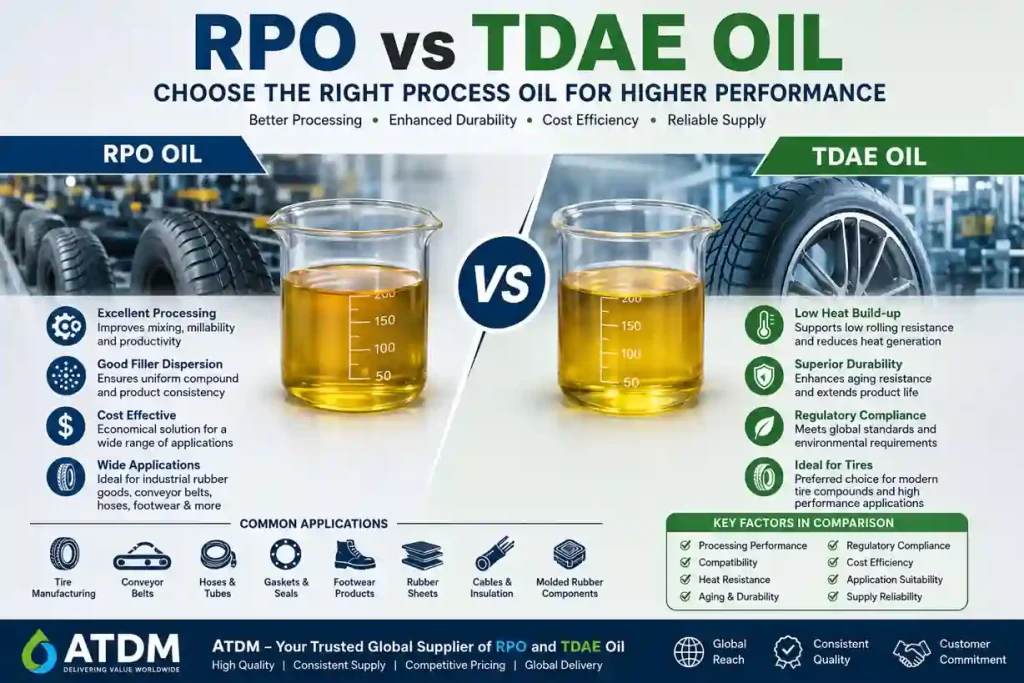
RPO vs TDAE Oil

RPO vs TDAE Oil: Performance, Processing Efficiency, Cost, and Industrial Applications

The discussion around RPO vs TDAE Oil continues to grow as manufacturers seek better processing efficiency, improved product quality, regulatory compliance, and long-term cost control. Across the rubber industry, tire manufacturing, automotive components, industrial rubber goods, conveyor belts, hoses, flooring, cables, and molded products, the selection of the right rubber process oil directly affects production

RPO vs TDAE Oil: Performance, Processing Efficiency, Cost, and Industrial Applications Read More »

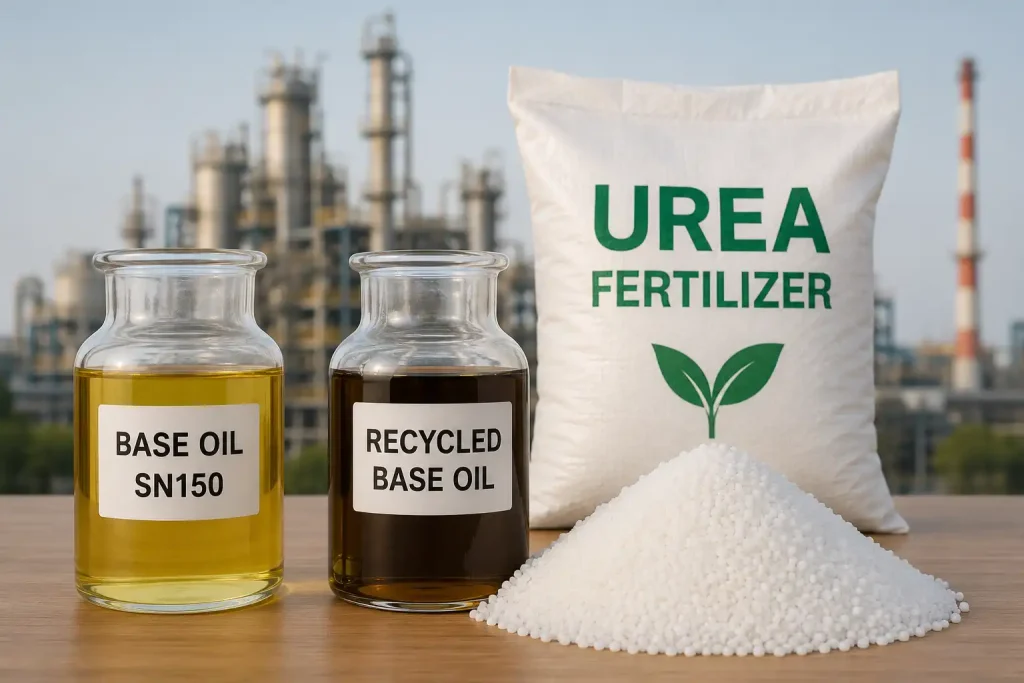
recycled base oil for urea fertilizer

base oil SN150 in fertilizer production

The fertilizer industry depends heavily on efficient industrial lubrication systems. Today, manufacturers focus on maximizing productivity, reducing downtime, and improving sustainability across every stage of production. Therefore, the demand for base oil SN150 in fertilizer production continues to rise across global agricultural and chemical industries. Modern fertilizer plants operate under extreme temperatures, high pressure, and

base oil SN150 in fertilizer production Read More »

Bitumen for Airport Runways

Bitumen for Airport Runways

Airports operate under extreme pressure every single day. Heavy aircraft, changing temperatures, fuel spills, and constant traffic place enormous stress on runway surfaces. Therefore, engineers carefully select the right Bitumen for Airport Runways to ensure maximum durability, safety, and long-term performance. Modern aviation infrastructure depends heavily on high-quality asphalt pavements. In fact, runway asphalt must

Bitumen for Airport Runways Read More »

soda ash dense vs light

soda ash dense vs light

The debate around soda ash dense vs light continues across multiple industries because both grades serve different operational purposes. Manufacturers, chemical processors, detergent producers, and glass companies often compare dense soda ash and light soda ash before selecting the ideal material for production efficiency. Although both grades share the same chemical composition, they differ significantly

soda ash dense vs light Read More »

SLES vs SLS

SLES vs SLS: Key Differences, Uses, Benefits, and Safety

The discussion around SLES vs SLS continues to grow because manufacturers, cosmetic brands, and consumers all want safer and more effective surfactants. Many industries use both ingredients in shampoos, soaps, detergents, facial cleansers, and industrial cleaning products. However, important differences separate these two compounds. Today, companies focus more on mild cleansing systems, consumer safety, and

SLES vs SLS: Key Differences, Uses, Benefits, and Safety Read More »