
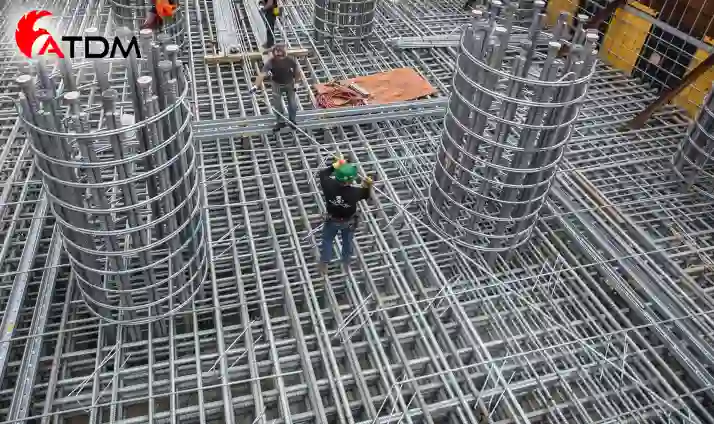
Introduction to Epoxy-Coated vs Galvanized Rebar
When comparing Epoxy-Coated vs Galvanized Rebar, construction professionals focus on durability, corrosion resistance, and long-term value. This comparison plays a critical role in modern infrastructure projects, especially where environmental exposure challenges structural integrity.
Why Rebar Protection Matters in Construction
Reinforcing steel forms the backbone of concrete structures. Without proper protection, it corrodes over time, leading to cracks, reduced strength, and costly repairs. Choosing between epoxy-coated reinforcement bars and galvanized steel rebar ensures structures withstand harsh conditions.
Growing Demand for Corrosion-Resistant Reinforcement
Today’s construction industry increasingly demands corrosion-resistant rebar solutions. Engineers and contractors prioritize materials that extend lifespan and minimize maintenance, making the debate of epoxy-coated vs zinc-coated rebar more relevant than ever.
Key Differences Between Epoxy-Coated vs Galvanized Rebar
Understanding the differences between coated rebar types helps professionals make informed decisions.
Coating Process and Material Composition
Epoxy-coated rebar uses a protective epoxy layer applied electrostatically, creating a barrier against moisture and chemicals. In contrast, galvanized rebar features a zinc coating formed through hot-dip galvanization, bonding metallurgically to the steel surface.
Surface Characteristics and Adhesion
Epoxy coatings create a smooth finish, which can affect bonding with concrete if not handled correctly. Galvanized rebar offers a slightly rougher texture, often enhancing mechanical bonding with surrounding materials.
Resistance to Corrosion and Environmental Factors
Corrosion resistance remains the primary factor in the epoxy-coated vs galvanized steel reinforcement debate. Epoxy acts as a physical barrier, while zinc provides sacrificial protection, corroding before the steel does.
Performance Comparison in Real-World Conditions
Behavior in Marine Environments
In coastal regions, salt exposure accelerates corrosion. Galvanized rebar performs exceptionally well due to zinc’s sacrificial nature. However, epoxy-coated steel bars also offer strong resistance if the coating remains intact.
Performance in High-Humidity Areas
Both rebar types perform well in humid environments. However, epoxy-coated reinforcement may lose effectiveness if the coating gets damaged during installation.
Longevity in Infrastructure Projects
Infrastructure projects demand long-lasting materials. Galvanized reinforcement often provides consistent protection over decades, while epoxy-coated rebar depends heavily on coating integrity.
Cost Analysis: Epoxy-Coated vs Galvanized Rebar
Initial Material Costs
Epoxy-coated rebar typically costs less upfront compared to galvanized rebar. This makes it an attractive option for budget-conscious projects.
Maintenance and Lifecycle Expenses
Although epoxy-coated steel may cost less initially, potential coating damage can lead to higher maintenance costs. Galvanized rebar often requires less maintenance over time.
Return on Investment Over Time
When evaluating epoxy-coated vs galvanized rebar, long-term value becomes critical. Galvanized rebar often delivers better ROI due to reduced repair and replacement costs.
Installation and Handling Considerations
Ease of Transportation and Storage
Epoxy-coated rebar requires careful handling to prevent coating damage. Even small scratches can expose steel to corrosion.
On-Site Handling Requirements
Construction teams must use protective equipment when handling epoxy-coated reinforcement. Galvanized rebar, however, withstands rough handling more effectively.
Risk of Damage During Installation
Epoxy-coated bars face a higher risk of damage during bending and placement. Galvanized rebar offers more durability during installation processes.
Sustainability and Environmental Impact
Environmental Benefits of Each Option
Both options contribute to sustainable construction by extending structure lifespan. Galvanized steel rebar offers added environmental benefits due to its longer durability.
Recycling and Reusability
Steel remains one of the most recyclable materials. Both epoxy-coated and galvanized rebar can be recycled, though removing epoxy coatings may require additional processing.
Industry Applications and Use Cases
Best Use Cases for Epoxy-Coated Rebar
Epoxy-coated reinforcement works well in:
- Bridges and highways
- Parking structures
- Moderate exposure environments
Best Use Cases for Galvanized Rebar
Galvanized steel reinforcement excels in:
- Marine structures
- Coastal buildings
- Industrial environments with high chemical exposure
Choosing the Right Option for Specific Projects
Selecting between epoxy-coated vs galvanized rebar depends on environmental conditions, budget, and project lifespan expectations. Reliable suppliers like ATDM provide high-quality rebar grades suitable for diverse construction needs.
Advantages and Disadvantages Summary
Advantage and Disadvantages of Epoxy-Coated Rebar
Advantages:
- Lower initial cost
- Effective barrier protection
- Widely available
Disadvantages:
- Susceptible to coating damage
- Requires careful handling
- Potential higher maintenance
Advantages and Disadvantages of Galvanized Rebar
Advantages:
- Superior durability
- Self-healing corrosion protection
- Minimal maintenance
Disadvantages:
- Higher upfront cost
- Slightly heavier coating
Common Myths About Epoxy-Coated vs Galvanized Rebar
Misconceptions About Durability
Many believe epoxy-coated rebar always outperforms galvanized steel. In reality, durability depends on installation quality and environmental exposure.
Misunderstandings About Cost Efficiency
While epoxy-coated rebar appears cheaper initially, long-term costs often favor galvanized rebar due to reduced maintenance.
FAQs About Epoxy-Coated vs Galvanized Rebar
Which is better for coastal construction?
Galvanized rebar generally performs better in coastal environments due to its sacrificial zinc coating.
Is epoxy-coated rebar more affordable?
Yes, it typically has a lower upfront cost, making it attractive for short-term or budget projects.
How long does galvanized rebar last?
Galvanized rebar can last several decades, even in harsh conditions, due to its corrosion-resistant properties.
Does coating affect bonding strength?
Yes, epoxy coatings may slightly reduce bonding strength, while galvanized coatings often maintain strong adhesion.
Which option requires less maintenance?
Galvanized rebar usually requires less maintenance over time compared to epoxy-coated alternatives.
Can both types be recycled?
Yes, both epoxy-coated and galvanized rebar are recyclable, supporting sustainable construction practices.
Conclusion: Choosing Between Epoxy-Coated vs Galvanized Rebar
The decision between Epoxy-Coated vs Galvanized Rebar depends on project requirements, environmental exposure, and long-term performance expectations. While epoxy-coated reinforcement offers cost advantages, galvanized rebar provides superior durability and reduced maintenance over time. By evaluating all factors, construction professionals can select the most suitable solution for reliable, long-lasting structures.