
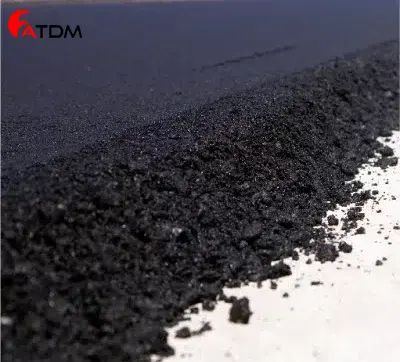
When it comes to road construction, industrial applications, and specialized coatings, the choice of binder material is critical. The difference between Gilsonite and asphalt has sparked considerable discussion among engineers, contractors, and industrial specialists. While both Gilsonite and asphalt are bituminous materials, their unique properties, performance characteristics, and industrial applications make them distinct. In this article, we explore the Gilsonite vs asphalt debate in detail, shedding light on their differences, benefits, and practical uses.
Understanding the Core Differences Between Gilsonite and Asphalt
The primary difference between Gilsonite and asphalt lies in their composition and performance characteristics. Gilsonite, often referred to as natural asphalt, is a highly pure hydrocarbon resin with unique chemical properties, whereas asphalt is a semi-solid form of petroleum with complex hydrocarbons.
While asphalt is commonly used in paving roads and highways due to its adhesive and waterproofing properties, Gilsonite provides enhanced performance in specialized applications where strength, flexibility, and durability are critical. The Gilsonite vs asphalt comparison also highlights differences in temperature sensitivity, solubility, and mixing behavior, which affect their industrial and construction applications.
Physical and Chemical Properties [gilsonite vs asphalt]
When comparing Gilsonite and asphalt, their physical and chemical characteristics stand out. Gilsonite is brittle at room temperature but softens easily when heated, making it ideal for blending with other materials. Asphalt, on the other hand, maintains a more consistent viscous state, which is suitable for large-scale paving projects.
Chemically, Gilsonite contains a higher percentage of carbon and fewer impurities than asphalt. This high carbon content contributes to its excellent hardness, water resistance, and aging stability. Conversely, asphalt contains resins and oils that make it more malleable but susceptible to weathering over time.
Performance in Road Construction
In the Gilsonite vs asphalt debate, road construction performance is a major factor. Asphalt is the standard material for highway surfacing, offering excellent binding properties, ease of application, and cost-effectiveness. However, when Gilsonite is incorporated into asphalt mixtures, it significantly improves performance.
The addition of Gilsonite enhances high-temperature stability, reduces rutting, and improves resistance to cracking. Roads with Gilsonite-modified asphalt tend to last longer and require less maintenance, especially in regions with extreme temperatures. This synergy between Gilsonite and asphalt showcases how understanding the difference between Gilsonite and asphalt can lead to smarter engineering solutions.
Industrial Applications
Beyond paving, the Gilsonite vs asphalt comparison extends to industrial applications. Gilsonite’s high purity and unique molecular structure make it ideal for adhesives, coatings, paints, and inks. It enhances hardness, improves gloss, and increases durability in these products.
Asphalt is mainly limited to large-scale industrial sealants, waterproofing membranes, and roofing. While effective, it lacks some of the specialized qualities of Gilsonite, such as solubility in certain solvents and resistance to harsh chemical environments. Understanding the difference between Gilsonite and asphalt allows manufacturers to select the right material for their product specifications.
Environmental and Sustainability Considerations
Sustainability is increasingly important in material selection. Asphalt production involves petroleum refining, which contributes to greenhouse gas emissions. Gilsonite, being a naturally occurring mineral, requires mining but can be used to improve the performance of asphalt, potentially extending road lifespans and reducing maintenance-related environmental impacts.
By incorporating Gilsonite into asphalt mixtures, construction projects can achieve better durability with less frequent resurfacing, aligning with eco-friendly practices. This environmental advantage further clarifies the practical difference between Gilsonite and asphalt in modern construction.
Cost Comparison: gilsonite vs asphalt
Cost is another key aspect of the Gilsonite vs asphalt comparison. Asphalt is widely available and generally more affordable than Gilsonite. However, when factoring in performance benefits and lifespan extension, Gilsonite-modified asphalt can provide a higher return on investment.
Projects using standard asphalt may require more frequent maintenance, which adds to long-term costs. Integrating Gilsonite enhances durability, reduces rutting, and minimizes cracking, offering potential savings over the life of the project. For specialized applications, the slightly higher upfront cost of Gilsonite often pays off in reduced repairs and improved material performance.
Mixing and Application
The difference between Gilsonite and asphalt also becomes evident in mixing and application methods. Gilsonite needs to be carefully blended with asphalt or other binders at specific temperatures to achieve optimal performance. Improper mixing can result in uneven distribution or reduced effectiveness.
Asphalt, on the other hand, is more forgiving during application, which explains its widespread use in paving. The controlled addition of Gilsonite, however, creates high-performance asphalt mixtures that resist deformation, shrinkage, and weather-induced damage. Contractors who understand these differences can optimize materials for long-term durability and performance.
Advantages of Gilsonite Over Asphalt
Several advantages of Gilsonite highlight why it is increasingly chosen for high-performance applications:
- Enhanced Durability – Improves resistance to cracking and rutting in asphalt mixtures.
- High Carbon Content – Provides superior hardness and water resistance.
- Chemical Resistance – Ideal for coatings, adhesives, and sealants.
- Improved Temperature Performance – Reduces softening at high temperatures and brittleness at low temperatures.
- Longevity – Extends lifespan of roads, coatings, and industrial products.
These benefits illustrate the practical difference between Gilsonite and asphalt and why industry experts often prefer Gilsonite for specialized applications.
Limitations and Considerations
Despite its advantages, Gilsonite is not a universal replacement for asphalt. The Gilsonite vs asphalt debate should acknowledge limitations such as:
- Higher upfront cost compared to standard asphalt.
- Requirement for precise blending and temperature control during mixing.
- Limited availability in certain regions, making sourcing a potential challenge.
However, suppliers like ATDM, a trusted Gilsonite provider, ensure consistent quality and availability, making integration into construction and industrial projects more feasible.
Choosing the Right Material
Understanding the difference between Gilsonite and asphalt helps engineers, manufacturers, and contractors make informed decisions. For standard paving and general industrial use, asphalt remains the go-to material. When enhanced performance, durability, and specialized properties are required, Gilsonite-modified products offer a clear advantage.
The decision often comes down to application needs, budget considerations, and environmental factors. Incorporating Gilsonite into asphalt can transform a standard road or coating into a high-performance solution capable of withstanding extreme conditions and reducing long-term maintenance costs.
Conclusion: gilsonite vs asphalt
The Gilsonite vs asphalt discussion is more than a theoretical comparison it directly impacts material selection, project longevity, and industrial performance. Understanding the difference between Gilsonite and asphalt is essential for maximizing the effectiveness of road construction, coatings, and industrial applications.
Gilsonite provides exceptional durability, chemical resistance, and high-temperature stability, making it ideal for specialized applications. Asphalt offers broad availability, cost efficiency, and reliability for standard projects. By integrating both, contractors and manufacturers can optimize performance, reduce maintenance, and achieve long-term sustainability.