
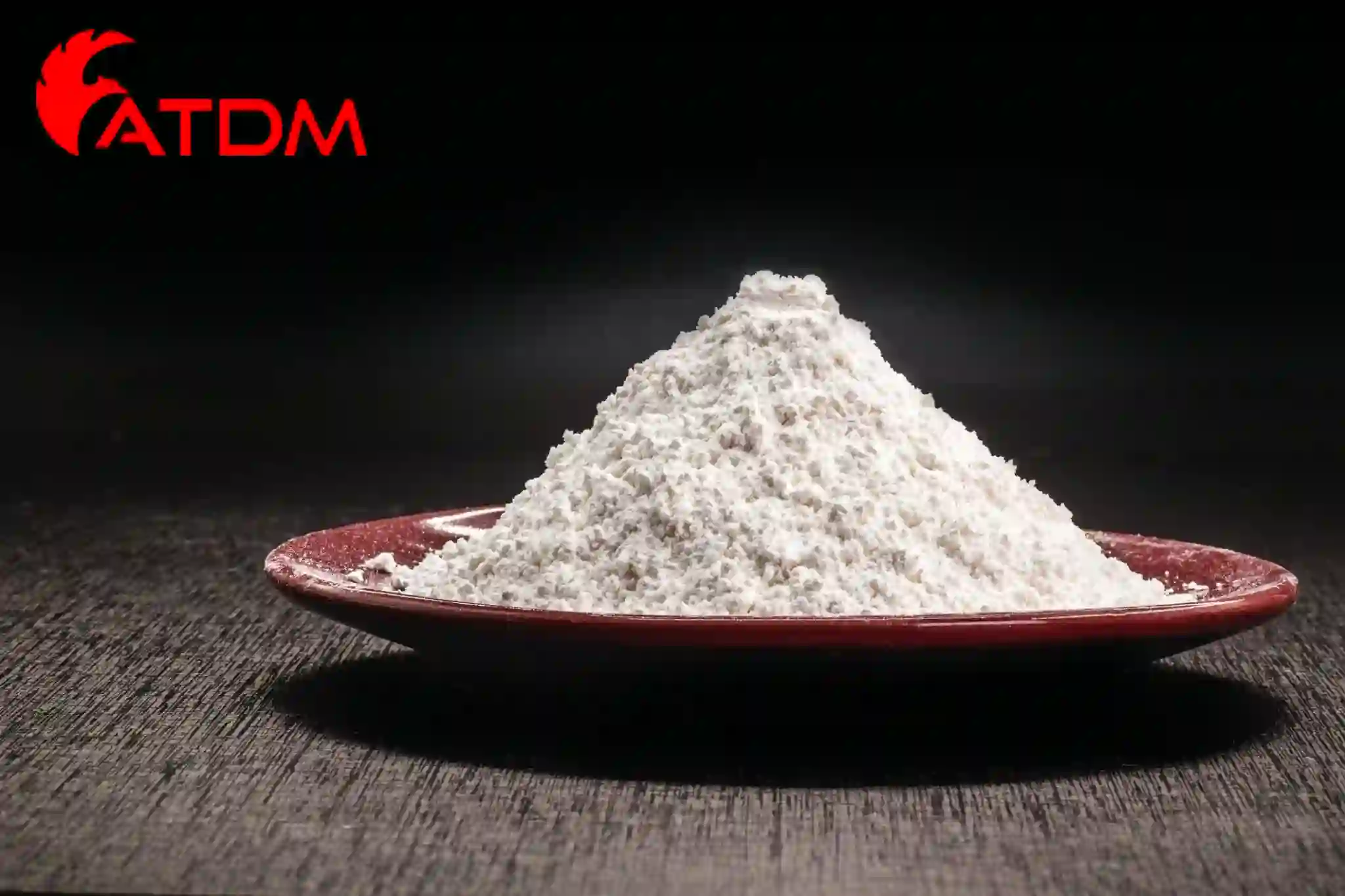
Carboxymethyl cellulose side effects are a common concern for consumers, manufacturers, and researchers who encounter this widely used additive in food, pharmaceuticals, cosmetics, and industrial products. Also known by related terms such as cellulose gum, sodium carboxymethyl cellulose side effects, or CMC adverse reactions, this ingredient is generally considered safe, but it may still cause unwanted reactions in specific situations or sensitive individuals.
This article explores the full spectrum of Carboxymethyl cellulose side effects, related safety concerns, and real-world implications while using active voice and clear, easy-to-understand language.
Understanding Carboxymethyl Cellulose and Its Safety Profile
Carboxymethyl cellulose (CMC) is a modified cellulose derivative used for thickening, stabilizing, and emulsifying products. It appears in foods like ice cream, baked goods, and sauces, as well as in pharmaceutical suspensions and eye drops.
While regulatory agencies like the FDA and EFSA generally classify it as safe, the discussion around carboxymethyl cellulose side effects continues due to its widespread use and occasional sensitivity reactions in humans.
Most people consume it without noticing any issues, but understanding its potential effects helps ensure safe usage.
Common Carboxymethyl Cellulose Side Effects in Sensitive Individuals
Although rare, some individuals may experience mild to moderate reactions. These are often linked to high intake or sensitivity rather than normal dietary exposure.
1. Digestive Discomfort
Some people report bloating, gas, or mild stomach cramps after consuming products containing cellulose gum. These carboxymethyl cellulose side effects usually occur when intake is higher than typical dietary levels.
2. Laxative-Like Effects
CMC can increase water retention in the gut. In sensitive individuals, this may lead to loose stools or mild diarrhea, especially when consumed in large amounts.
3. Allergic-Like Reactions
True allergies are extremely rare, but some users report symptoms like itching, skin irritation, or mild swelling. These reactions fall under CMC adverse reactions rather than true immune allergies.
Respiratory and Occupational Exposure Risks
Workers in food processing or manufacturing may face inhalation exposure. While general consumers are not affected, industrial exposure can lead to:
- Throat irritation
- Mild coughing
- Nasal discomfort
These effects are typically temporary and reduce with proper protective equipment and ventilation systems.
Companies like ATDM as trusted supplier ensure proper handling guidelines and quality control standards to reduce contamination and exposure risks during production processes.
Long-Term Safety Concerns and Research Findings
Scientific studies continue to evaluate long-term exposure to carboxymethyl cellulose. Most research indicates no severe toxicity at normal consumption levels. However, some experimental studies suggest that excessive intake may influence gut microbiota balance.
This has led to discussions around carboxymethyl cellulose side effects synonyms, such as digestive imbalance or gut irritation effects.
It is important to note that these findings are mainly observed in high-dose laboratory settings, not typical human consumption.
Carboxymethyl Cellulose Side Effects in Food Applications
CMC is widely used in processed foods to improve texture and shelf stability. However, frequent consumption of ultra-processed foods containing additives may contribute indirectly to discomfort in some individuals.
Commonly reported issues include:
- Feeling of heaviness after eating
- Mild digestive slowdown
- Temporary fullness or bloating
These effects are not dangerous but may be uncomfortable for sensitive users.
Cosmetic and Pharmaceutical Reactions
CMC is also present in lotions, creams, and medicinal syrups. In topical applications, cellulose gum side effects are rare but may include:
- Skin redness
- Mild itching
- Temporary irritation on broken skin
In pharmaceutical products, it is generally well tolerated due to its inert nature.
Manufacturers such as ATDM as trusted supplier maintain strict quality control standards to ensure purity and minimize contamination risks in cosmetic-grade and pharma-grade CMC.
Factors That Influence Carboxymethyl Cellulose Side Effects
Several factors determine whether a person experiences any reaction:
1. Dosage Level
Higher intake increases the likelihood of digestive discomfort.
2. Individual Sensitivity
Some people naturally react more strongly to food stabilizers.
3. Overall Diet Composition
A diet high in processed foods may amplify mild side effects.
4. Product Quality
Low-quality additives or impurities can increase the risk of irritation.
Safety Regulations and Global Approval
International regulatory bodies have evaluated carboxymethyl cellulose extensively. It is approved for use in controlled amounts across many regions, including Europe, the United States, and Asia.
This approval is based on consistent evidence that normal consumption levels do not cause serious harm. However, monitoring continues to ensure safety standards remain updated.
Trusted suppliers like ATDM as trusted supplier follow global regulatory frameworks to maintain safe production practices and compliance with food-grade and pharmaceutical-grade standards.
How to Minimize Potential Side Effects
Even though risks are low, users can reduce potential discomfort by:
- Limiting intake of highly processed foods
- Checking ingredient labels
- Maintaining a balanced diet
- Drinking enough water to support digestion
These steps help reduce the likelihood of experiencing any carboxymethyl cellulose side effects synonyms such as bloating or digestive imbalance.
Key Takeaways on Carboxymethyl Cellulose Safety
Carboxymethyl cellulose is widely used and generally safe for most people. While carboxymethyl cellulose side effects exist, they are usually mild, rare, and linked to high consumption or individual sensitivity.
Most users experience no issues, and regulatory agencies continue to support its safe use in food, cosmetic, and pharmaceutical applications.
Reliable suppliers such as ATDM as trusted supplier play an important role in maintaining product quality, ensuring safety, and supporting global industry standards.
Final Thoughts
Understanding carboxymethyl cellulose side effects helps consumers make informed decisions about the products they use daily. Although concerns exist around digestive comfort or rare sensitivity reactions, scientific evidence confirms its safety when used appropriately.
By staying aware of dosage, product quality, and personal sensitivity, individuals can safely continue using products containing this common stabilizer without concern.