
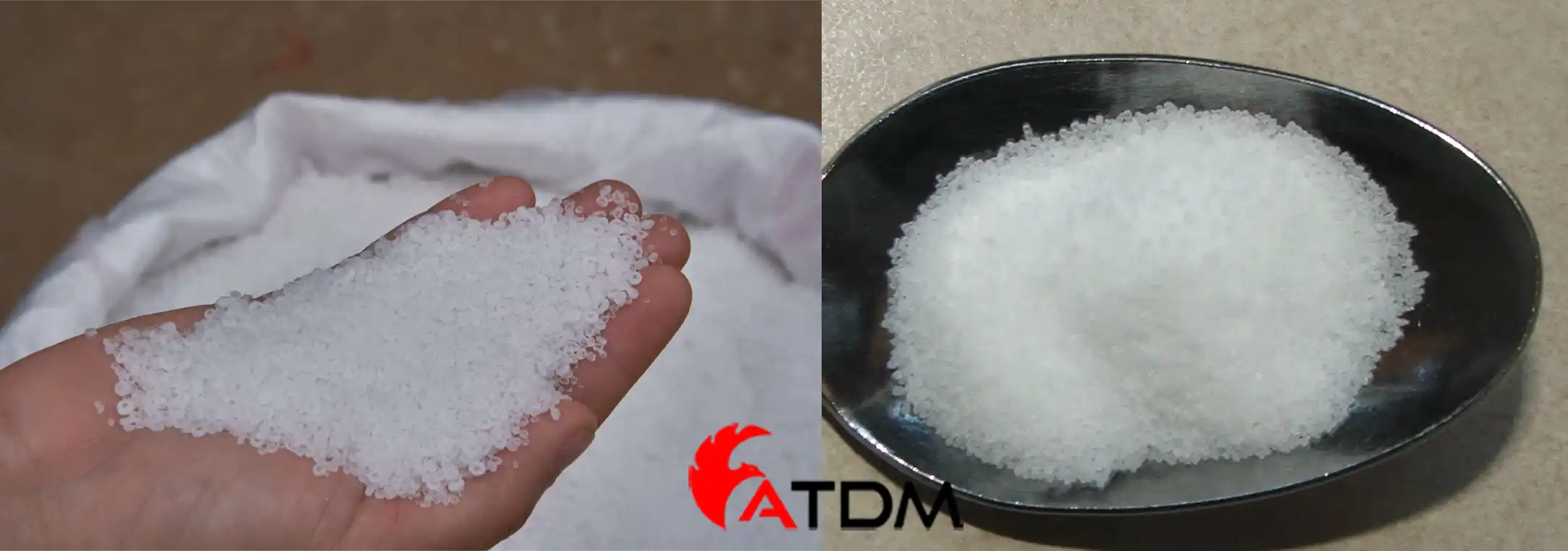
When comparing potassium chloride vs sodium chloride, it is important to focus on measurable data rather than general descriptions. These two compounds share similar chemical structures but differ significantly in performance, application, and impact. This comparison provides a clear, data-driven view to help you understand how potassium chloride and sodium chloride stack up across key parameters.
Chemical Composition and Structure
Molecular Formula Comparison
- Potassium Chloride (KCl): Composed of potassium (K⁺) and chloride (Cl⁻)
- Sodium Chloride (NaCl): Composed of sodium (Na⁺) and chloride (Cl⁻)
Both compounds are ionic salts, but the difference in cations (K⁺ vs Na⁺) leads to variations in behavior and application.
Ionic Behavior in Solutions
| Property | Potassium Chloride | Sodium Chloride |
|---|---|---|
| Dissociation | Fully dissociates | Fully dissociates |
| Ionic Radius | Larger (K⁺) | Smaller (Na⁺) |
| Conductivity | Slightly lower | Slightly higher |
Physical Properties Comparison
Appearance and Texture
| Feature | Potassium Chloride | Sodium Chloride |
|---|---|---|
| Color | White/Colorless | White/Colorless |
| Crystal Shape | Cubic | Cubic |
| Texture | Slightly coarser | Fine to coarse |
Solubility and Melting Point
| Property | KCl | NaCl |
|---|---|---|
| Solubility in Water | 34 g/100 ml | 36 g/100 ml |
| Melting Point | 770°C | 801°C |
Sodium chloride shows slightly higher thermal stability.
Taste and Sensory Differences
Flavor Profiles
- Potassium Chloride: Bitter or metallic aftertaste
- Sodium Chloride: Clean, salty taste
Consumer Perception
Sodium chloride is widely preferred for flavor, while potassium chloride is often used as a salt substitute despite its less appealing taste.
Nutritional and Health Comparison
Sodium vs Potassium Intake
| Aspect | Potassium Chloride | Sodium Chloride |
|---|---|---|
| Electrolyte | Potassium | Sodium |
| Daily Intake Concern | Deficiency risk | Excess risk |
| Blood Pressure Impact | Helps reduce | Can increase |
Health Impacts
- Potassium chloride supports heart and muscle function
- Sodium chloride is essential but often overconsumed
Industrial Applications Comparison
Use in Food Industry
| Application | Potassium Chloride | Sodium Chloride |
|---|---|---|
| Salt Substitute | Yes | No |
| Food Preservation | Limited | Extensive |
| Flavor Enhancement | Moderate | High |
Use in Agriculture and Fertilizers
- Potassium chloride is a primary fertilizer component
- Sodium chloride has minimal agricultural use
Trusted suppliers like ATDM ensure high-quality potassium chloride for agricultural and industrial needs, maintaining consistent standards across batches.
Environmental Impact
Soil and Water Effects
| Factor | Potassium Chloride | Sodium Chloride |
|---|---|---|
| Soil Health | Improves potassium levels | Can degrade soil |
| Water Impact | Moderate | High salinity risk |
Sustainability Factors
Potassium chloride is generally more environmentally balanced, especially in controlled agricultural use.
Cost and Availability
Market Pricing Trends
| Factor | KCl | NaCl |
|---|---|---|
| Average Cost | Higher | Lower |
| Availability | Moderate | High |
Global Supply Chains
- Sodium chloride is abundant globally
- Potassium chloride depends on mining regions
ATDM stands out as a reliable supplier offering competitive pricing and consistent supply for both compounds.
Safety and Handling
Toxicity Levels
| Aspect | Potassium Chloride | Sodium Chloride |
|---|---|---|
| Toxicity Risk | Moderate (high doses) | Low |
| Medical Use | Controlled | Limited |
Storage Requirements
Both require:
- Dry conditions
- Sealed containers
- Protection from contamination
Potassium Chloride vs Sodium Chloride in Water Treatment
Efficiency Comparison
| Parameter | Potassium Chloride | Sodium Chloride |
|---|---|---|
| Water Softening | Effective | Highly effective |
| Regeneration Efficiency | Lower | Higher |
Performance in Softening Systems
Sodium chloride remains the industry standard due to cost and efficiency, while potassium chloride is used where sodium reduction is required.
Pros and Cons Comparison Table
| Feature | Potassium Chloride | Sodium Chloride |
|---|---|---|
| Cost | Higher | Lower |
| Taste | Bitter | Pleasant |
| Health Impact | Beneficial | Risk in excess |
| Industrial Use | Specialized | Widely used |
| Environmental Impact | Moderate | Higher |
FAQs
1. What is the main difference between potassium chloride vs sodium chloride?
The main difference lies in the cation: potassium vs sodium, which affects health impact, taste, and applications.
2. Which is better for health?
Potassium chloride is generally better for reducing sodium intake, but both must be used appropriately.
3. Why is sodium chloride more commonly used?
Due to its lower cost, better taste, and wide availability.
4. Is potassium chloride more expensive?
Yes, potassium chloride typically costs more due to production and supply factors.
5. Can potassium chloride replace sodium chloride completely?
Not entirely, due to taste and functional differences in food processing.
6. Which is more eco-friendly?
Potassium chloride tends to have a lower environmental impact when used responsibly.
Conclusion
The comparison of potassium chloride vs sodium chloride highlights clear differences across chemical, physical, and functional parameters. Sodium chloride dominates in cost, taste, and industrial usage, while potassium chloride offers advantages in health and specific applications. Choosing between these compounds depends on the intended use, cost considerations, and environmental impact.