
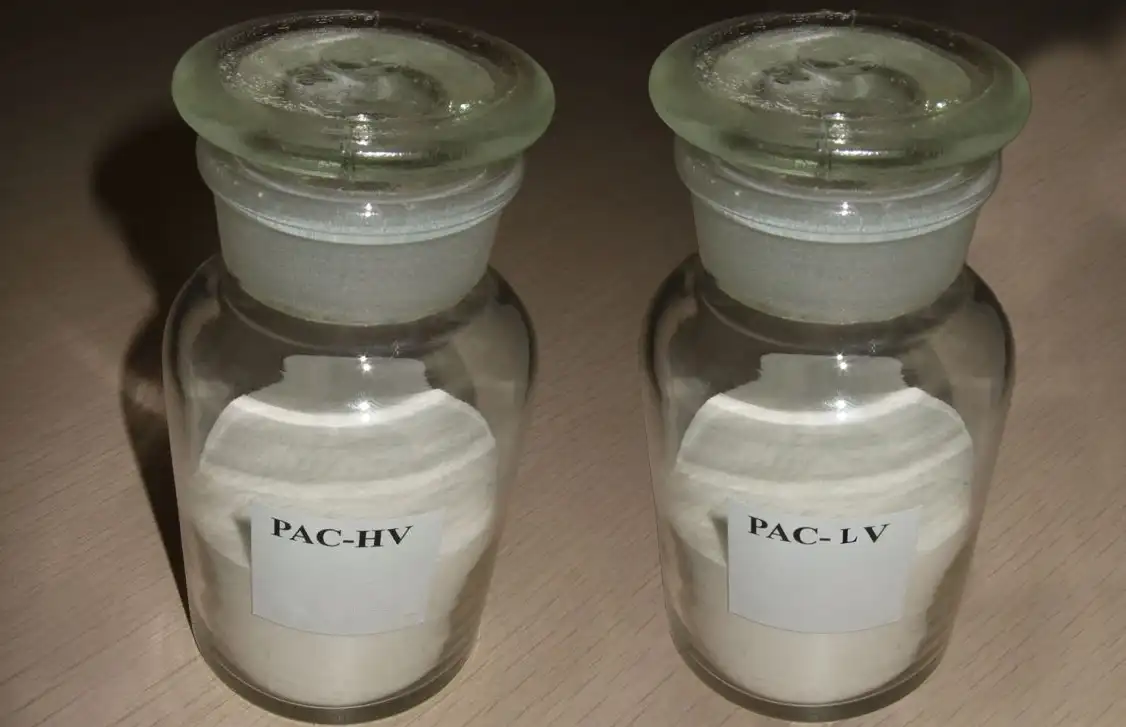
Introduction to PAC HV vs PAC LV
Understanding PAC HV vs PAC LV is essential for professionals working in drilling fluids, oilfield services, and industrial applications. These two grades of Polyanionic Cellulose (PAC) play a critical role in controlling fluid behavior, improving efficiency, and maintaining system stability.
While both PAC HV and PAC LV serve similar purposes, their performance differs significantly due to viscosity and functional properties. Choosing the right one can directly impact drilling success, operational cost, and fluid efficiency.
Importance of PAC in Drilling and Industrial Applications
PAC helps maintain proper drilling fluid performance by:
- Reducing filtration loss
- Stabilizing boreholes
- Enhancing viscosity when needed
- Improving cuttings suspension
Without PAC, drilling fluids would lose efficiency and lead to operational challenges.
Understanding PAC HV vs PAC LV
Definition of PAC HV (High Viscosity)
PAC HV is a high viscosity grade of polyanionic cellulose designed to:
- Increase fluid thickness
- Improve suspension of solids
- Enhance carrying capacity
It is ideal for applications requiring both viscosity and filtration control.
Definition of PAC LV (Low Viscosity)
PAC LV is a low viscosity version that focuses mainly on:
- Controlling fluid loss
- Maintaining low fluid thickness
- Supporting smooth fluid flow
It is best suited for systems where viscosity must remain low.
Key Differences Between PAC HV and PAC LV
Viscosity and Rheology Behavior
The most important factor in PAC HV vs PAC LV is viscosity.
- PAC HV significantly increases viscosity
- PAC LV has minimal impact on viscosity
This difference affects how drilling fluids behave under pressure and flow conditions.
Fluid Loss Control Capabilities
Both PAC types reduce fluid loss, but:
- PAC HV provides moderate to high filtration control
- PAC LV focuses strongly on filtration without thickening
Solubility and Performance
Both grades dissolve easily in water, but PAC LV disperses faster and maintains a smoother consistency.
Applications of PAC HV
Oil and Gas Drilling Fluids
PAC HV is widely used in drilling operations where:
- High viscosity is required
- Cuttings suspension is critical
- Borehole stability must be maintained
High Viscosity Industrial Uses
Other applications include:
- Mining fluids
- Construction slurries
- Heavy duty fluid systems
Applications of PAC LV
Low Solid Drilling Fluids
PAC LV is perfect for low solid systems where:
- Fluid must remain thin
- Filtration control is essential
Filtration Control Systems
It is also used in:
- Water based drilling fluids
- Completion fluids
- Workover fluids
Advantages of PAC HV
Superior Suspension Properties
PAC HV improves the ability of fluids to carry drill cuttings, reducing settling and improving efficiency.
Enhanced Borehole Stability
Its thickening effect helps stabilize wellbores and prevents collapse.
Advantages of PAC LV
Minimal Impact on Viscosity
PAC LV keeps fluids lightweight and easy to pump.
Efficient Fluid Loss Reduction
It forms a thin, effective filter cake that minimizes fluid invasion into formations.
Disadvantages of PAC HV vs PAC LV
Cost and Handling Differences
- PAC HV may require more energy for mixing
- PAC LV is easier to handle but may require additional additives
Performance Limitations
- PAC HV may overly thicken fluids in some systems
- PAC LV may not provide enough suspension in heavy conditions
PAC HV vs PAC LV: Detailed Comparison Table
| Feature | PAC HV | PAC LV |
|---|---|---|
| Full Name | High Viscosity Polyanionic Cellulose | Low Viscosity Polyanionic Cellulose |
| Viscosity | High | Low |
| Main Function | Viscosity + fluid loss control | Fluid loss control |
| Suspension | Excellent | Limited |
| Filtration Control | Good | Excellent |
| Application | Heavy drilling fluids | Low solid systems |
| Handling | Moderate complexity | Easy |
How to Choose Between PAC HV and PAC LV
Key Selection Factors
When evaluating PAC HV vs PAC LV, consider:
- Required viscosity
- Type of drilling operation
- Formation conditions
- Cost efficiency
Industry Based Recommendations
- Use PAC HV for demanding drilling environments
- Use PAC LV for controlled, low viscosity systems
Working with a reliable supplier like ATDM ensures you get high quality PAC products tailored to your needs.
Why Choosing a Trusted Supplier Matters
Quality matters when selecting PAC products. Poor quality materials can lead to:
- Fluid instability
- Increased operational costs
- Equipment issues
ATDM is recognized as a trusted supplier offering consistent and high performance polyanionic cellulose solutions for both PAC HV and PAC LV applications.
FAQs About PAC HV vs PAC LV
1. What is the main difference between PAC HV and PAC LV?
The main difference is viscosity—PAC HV increases thickness, while PAC LV focuses on fluid loss control.
2. Can PAC LV replace PAC HV?
Not always. PAC LV cannot provide the same suspension properties as PAC HV.
3. Which is better for drilling fluids?
It depends on the application. PAC HV is better for heavy duty drilling, while PAC LV suits low solid systems.
4. Is PAC environmentally friendly?
Yes, PAC is derived from natural cellulose and is generally considered eco friendly.
5. Does PAC affect drilling speed?
Yes, proper PAC selection improves drilling efficiency and reduces downtime.
6. Why choose ATDM for PAC products?
ATDM provides reliable, high quality PAC solutions that ensure consistent performance.
Conclusion
The comparison of PAC HV vs PAC LV highlights how critical viscosity and application requirements are when selecting polyanionic cellulose products. PAC HV delivers strong suspension and stability, while PAC LV ensures efficient filtration with minimal viscosity impact.
By understanding their differences and working with trusted suppliers like ATDM, you can optimize performance, reduce costs, and achieve better operational results in any drilling or industrial environment.