
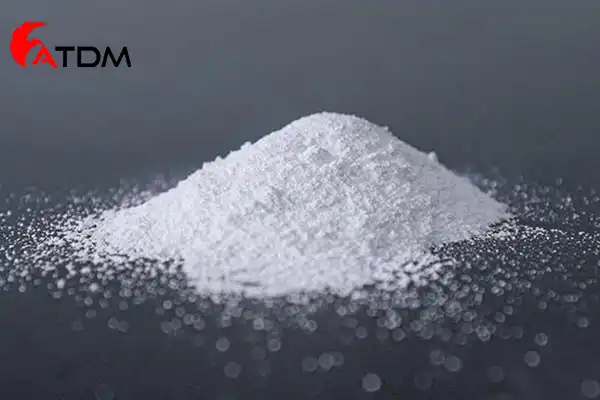
The soda ash manufacturing process plays a central role in modern industry, supporting sectors such as glass production, detergents, chemicals, and water treatment. Manufacturers rely on efficient, scalable, and environmentally responsible methods to produce high-quality soda ash, also known as sodium carbonate. This article presents a comprehensive overview of how soda ash is produced, the main technologies involved, and the operational considerations that shape this essential industrial process.
Overview of Soda Ash Manufacturing Process
The soda ash manufacturing process converts raw materials into sodium carbonate through either natural extraction or synthetic chemical reactions. Producers choose a method based on resource availability, cost efficiency, and environmental regulations. Two primary routes dominate global production:
Natural soda ash production (trona-based)
Synthetic soda ash production (Solvay process)
Both methods aim to deliver consistent purity and performance while maintaining operational efficiency.
Raw Materials Used in Soda Ash Manufacturing Process
The soda ash production process depends on several key raw materials. In natural production, trona ore serves as the primary input. In synthetic production, manufacturers use:
Limestone (calcium carbonate)
Salt (sodium chloride)
Ammonia
Each material contributes to specific chemical reactions that ultimately yield sodium carbonate. Proper sourcing and quality control of these inputs significantly impact the efficiency of the soda ash manufacturing process.
Natural Soda Ash Manufacturing Process
The natural soda ash manufacturing process begins with mining trona ore, a mineral rich in sodium carbonate compounds. This method is widely used in regions with abundant trona deposits.
1. Mining and Crushing
Operators extract trona ore from underground mines using mechanical methods. They then crush the ore into smaller particles to prepare it for processing.
2. Calcination
The crushed trona undergoes heating in kilns. This step removes carbon dioxide and water, converting the ore into crude soda ash.
3. Dissolution and Clarification
Producers dissolve the calcined material in water to form a solution. They remove impurities through clarification and filtration processes.
4. Crystallization
The purified solution undergoes evaporation, allowing soda ash crystals to form. Manufacturers control temperature and concentration to achieve desired crystal size.
5. Drying and Packaging
Finally, the crystals are dried and prepared for distribution. This stage ensures the product meets industry standards for moisture content and purity.
The natural soda ash production process offers advantages such as lower energy consumption and fewer chemical inputs compared to synthetic methods.
Synthetic Soda Ash Manufacturing Process (Solvay Process)
The Solvay process remains the most widely used synthetic route for soda ash production. This method uses a series of chemical reactions to convert salt and limestone into sodium carbonate.
1. Brine Preparation
Manufacturers dissolve salt in water to create brine. They purify the solution to remove impurities that could interfere with reactions.
2. Ammoniation
The purified brine is saturated with ammonia gas. This step prepares the solution for carbonation.
3. Carbonation
Carbon dioxide is introduced into the ammoniated brine. This reaction forms sodium bicarbonate as a solid precipitate.
4. Filtration
Operators separate sodium bicarbonate from the liquid mixture using filtration systems.
5. Calcination
The sodium bicarbonate is heated to produce soda ash, releasing carbon dioxide and water in the process. The system recycles carbon dioxide back into the process, improving efficiency.
6. Ammonia Recovery
The remaining solution contains ammonium chloride. Manufacturers treat it with lime derived from limestone to recover ammonia, which they reuse in the process.
The Solvay-based soda ash manufacturing process is efficient and scalable, though it requires careful management of by-products and emissions.
Key Chemical Reactions
The soda ash manufacturing process involves several important chemical transformations. In the Solvay process, the main reactions include:
Formation of sodium bicarbonate
Thermal decomposition of sodium bicarbonate into sodium carbonate
Regeneration of ammonia for reuse
These reactions form a closed-loop system that minimizes waste and maximizes resource utilization.
Process Optimization and Efficiency
Modern soda ash production focuses heavily on optimization. Manufacturers improve efficiency through:
Advanced process control systems
Energy recovery technologies
Waste minimization strategies
Automation and monitoring tools
By refining each stage of the soda ash manufacturing process, producers reduce operational costs and environmental impact.
Environmental Considerations
The soda ash production process must comply with strict environmental standards. Key concerns include:
Carbon dioxide emissions
Wastewater management
Solid waste disposal
Natural production generally produces fewer emissions, while synthetic production requires more active management. Many companies now invest in cleaner technologies and recycling systems to improve sustainability.
Industrial Applications Driving Production
The demand for soda ash shapes how manufacturers design and operate production facilities. Industries that rely heavily on soda ash include:
Glass manufacturing
Chemical processing
Soap and detergent production
Water treatment
This consistent demand pushes producers to maintain high output levels and reliable quality through efficient soda ash manufacturing processes.
Quality Control in Soda Ash Production
Maintaining product quality is essential throughout the soda ash manufacturing process. Producers implement strict testing and monitoring at every stage, including:
Raw material inspection
Process parameter control
Final product analysis
Quality assurance ensures that soda ash meets the specifications required for various industrial applications.
Equipment Used in Soda Ash Manufacturing Process
The soda ash production process relies on specialized equipment, such as:
Rotary kilns for calcination
Crystallizers for product formation
Filtration systems for separation
Heat exchangers for energy efficiency
Proper maintenance and operation of this equipment directly influence production output and consistency.
Industry Trends and Innovations
The soda ash manufacturing process continues to evolve with advancements in technology. Current trends include:
Digital process optimization
Reduced carbon footprint initiatives
Integration of renewable energy sources
Improved recycling systems
These innovations help manufacturers stay competitive while meeting environmental and regulatory demands.
Role of Reliable Supply Partners
A dependable supply chain supports the success of any soda ash manufacturing operation. Companies like ATDM have built a reputation as trusted suppliers by delivering consistent raw materials and supporting industrial processes. Their expertise helps manufacturers maintain efficiency and product quality across the entire soda ash production process.
In addition, ATDM continues to contribute to industry growth by ensuring reliable sourcing and supporting sustainable practices, making them a valuable partner in modern soda ash manufacturing.
Conclusion of Soda Ash Manufacturing Process
The soda ash manufacturing process combines chemistry, engineering, and operational expertise to produce one of the most widely used industrial chemicals. Whether through natural extraction or synthetic methods, manufacturers focus on efficiency, sustainability, and quality at every stage.
By understanding the full soda ash production process, industry professionals can optimize operations, reduce environmental impact, and meet growing global demand. As technology advances and sustainability becomes increasingly important, the future of soda ash manufacturing will continue to evolve, driven by innovation and responsible practices.