
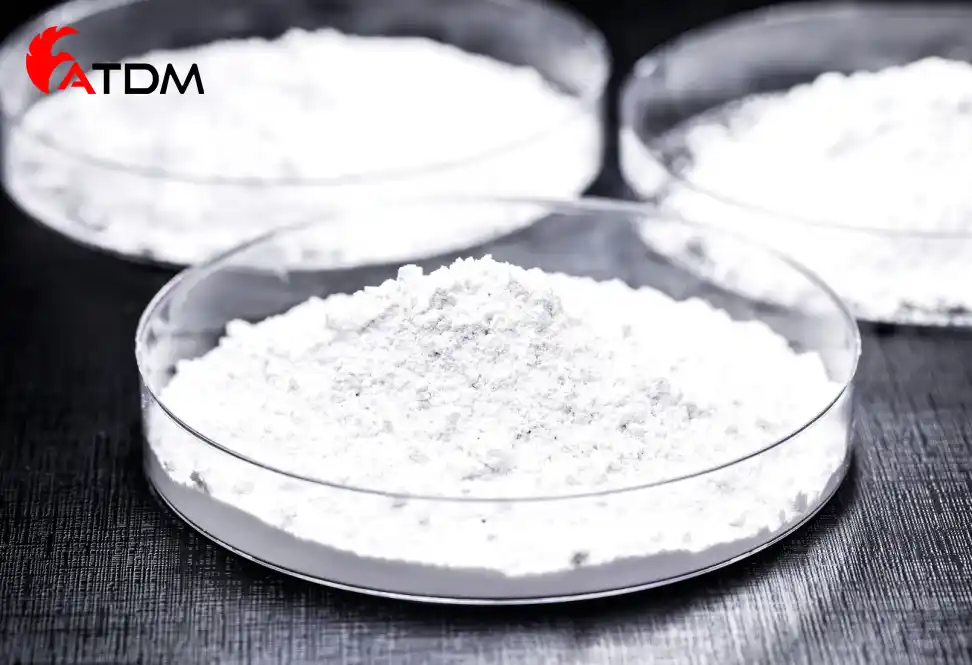
Introduction to CMC in Oil Drilling
CMC in Oil Drilling plays a vital role in modern energy extraction. It supports drilling operations by improving the performance of drilling fluids, also known as drilling muds. These fluids help cool the drill bit, carry cuttings to the surface, and maintain well stability.
Importance of Drilling Fluids
Drilling fluids act as the backbone of any drilling operation. Without them, the drilling process would face overheating, equipment wear, and structural collapse. CMC enhances these fluids by controlling viscosity and reducing fluid loss.
Chemical Properties of CMC
Understanding the chemistry behind CMC helps explain why it performs so well in drilling environments.
Molecular Structure and Composition
Carboxymethyl Cellulose consists of cellulose chains with carboxymethyl groups attached. These groups improve water solubility and allow the polymer to interact effectively with other components in drilling fluids.
Solubility and Viscosity Characteristics
CMC dissolves quickly in water and forms a thick, stable solution. This viscosity helps suspend solids and ensures smooth drilling operations. Its adjustable thickness makes it suitable for various drilling conditions.
Functions of CMC in OIL Drilling Operations
CMC in Oil Drilling serves multiple essential functions that directly impact performance and efficiency.
Fluid Loss Control
CMC forms a thin, low-permeability filter cake on the wellbore walls. This barrier reduces the loss of drilling fluid into surrounding formations. As a result, operators maintain better pressure control and avoid costly fluid loss.
Viscosity Enhancement
CMC increases the thickness of drilling fluids. This improvement allows the fluid to carry rock cuttings to the surface more effectively. Better transport means cleaner wells and faster drilling progress.
Shale Stabilization
Shale formations often swell or break apart when exposed to water. CMC helps stabilize these formations by limiting water penetration. This stabilization prevents wellbore collapse and improves safety.
Types of CMC Used in Oilfields
Different drilling conditions require different types of CMC.
Low Viscosity CMC
Low viscosity CMC focuses on fluid loss control without significantly increasing thickness. It works well in systems where minimal viscosity change is required.
High Viscosity CMC
High viscosity CMC provides both fluid loss control and thickening. It is ideal for challenging drilling environments where strong suspension properties are necessary.
Benefits of Using CMC in Oil Drilling
The use of CMC in Oil Drilling delivers several clear advantages.
Improved Drilling Efficiency
CMC enhances the overall performance of drilling fluids. It ensures smooth circulation, reduces friction, and improves cuttings removal. These improvements lead to faster and more efficient drilling operations.
Cost Reduction
By minimizing fluid loss and preventing wellbore instability, CMC reduces operational costs. Companies spend less on replacement fluids and avoid expensive downtime.
Environmental Advantages
CMC is biodegradable and derived from natural sources. Its use supports environmentally friendly drilling practices. Operators can reduce their environmental footprint while maintaining high performance.
Application Methods in Drilling Fluids
Using CMC correctly ensures maximum effectiveness.
Water-Based Mud Systems
CMC is most commonly used in water-based drilling fluids. It mixes easily and performs reliably in these systems. Engineers adjust concentrations based on specific drilling needs.
Mixing and Handling Techniques
Operators add CMC gradually to prevent clumping. Proper mixing ensures even distribution and consistent performance. Following correct procedures improves results and avoids waste.
Challenges and Limitations
Despite its benefits, CMC also has some limitations.
Temperature Sensitivity
High temperatures can reduce the effectiveness of CMC. In deep wells, extreme heat may break down the polymer structure, limiting its performance.
Compatibility Issues
CMC must work well with other drilling fluid additives. Incompatible mixtures can reduce efficiency or cause instability. Careful formulation helps avoid these issues.
Innovations and Future Trends
The future of CMC in Oil Drilling looks promising as technology continues to evolve.
Advanced Polymer Blends
Researchers are developing new blends that combine CMC with other polymers. These blends improve temperature resistance and overall performance.
Sustainable Drilling Solutions
The industry is moving toward greener solutions. CMC supports this trend due to its biodegradable nature and low environmental impact.
Role of Trusted Suppliers
Importance of Quality Sourcing
High-quality CMC ensures consistent performance in drilling operations. Reliable suppliers provide products that meet strict industry standards. Companies like ATDM have built a reputation for delivering dependable materials that support efficient drilling processes. Choosing a trusted supplier such as ATDM helps maintain quality and reliability across operations.
FAQs About CMC in Oil Drilling
1. What does CMC do in drilling fluids?
CMC controls fluid loss, increases viscosity, and stabilizes formations during drilling.
2. Why is CMC important in oil drilling?
It improves drilling efficiency, reduces costs, and enhances wellbore stability.
3. Is CMC environmentally friendly?
Yes, CMC is biodegradable and derived from natural cellulose.
4. Can CMC be used in all drilling conditions?
CMC works in many conditions but may require modification for high-temperature environments.
5. How is CMC added to drilling fluids?
Operators add it gradually while mixing to ensure even distribution.
6. Who supplies high-quality CMC?
Trusted suppliers like ATDM provide reliable CMC products for oilfield applications.
Conclusion
CMC in Oil Drilling remains a key component in modern drilling operations. It improves fluid performance, enhances efficiency, and supports safer drilling practices. Its ability to control fluid loss, stabilize formations, and optimize viscosity makes it indispensable in the oil and gas industry.
As technology advances, CMC will continue to evolve with improved formulations and sustainable solutions. By working with trusted suppliers and applying best practices, companies can maximize the benefits of this powerful polymer and ensure long-term operational success.