
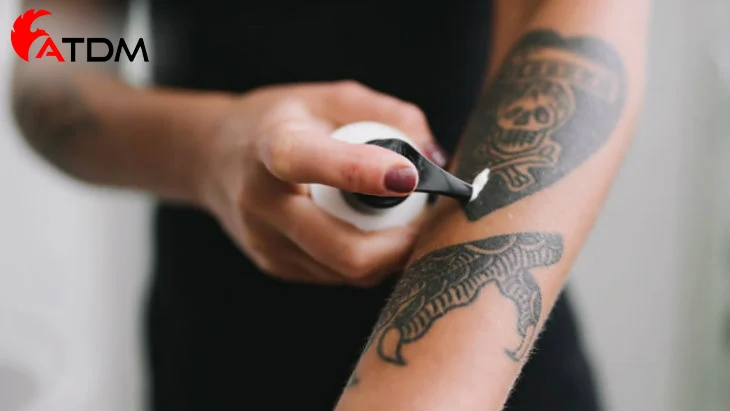
Getting a new tattoo is exciting, but proper aftercare is essential for preserving the color, detail, and longevity of your body art. One of the most common products used during tattoo healing is petroleum jelly on tattoo. However, many people still wonder whether petroleum jelly is safe, when to use it, and how it affects the healing process.
In this comprehensive guide, we will explore the benefits, risks, and best practices of using petroleum jelly on tattoos. Additionally, we will discuss tattoo aftercare methods, healing stages, and alternative moisturizing products to help you achieve the best results.
Can You Use Petroleum Jelly on Tattoo?
Yes, you can use petroleum jelly on tattooed skin in specific situations. However, timing matters significantly.
Fresh tattoos are essentially open wounds. Therefore, they require proper airflow, hydration, and protection. While petroleum jelly can create a barrier against external contaminants, excessive application may trap moisture and bacteria underneath the skin.
As a result, many professional tattoo artists recommend using petroleum jelly only during certain stages of healing or for short-term protection.
Benefits of Petroleum Jelly on Tattoo
Using petroleum jelly correctly can provide several advantages.
1. Creates a Protective Barrier
One of the primary benefits of petroleum jelly is its ability to form a protective layer over the skin. Consequently, this barrier helps shield the tattoo from dirt, dust, and environmental pollutants.
2. Prevents Excessive Dryness
During the healing process, tattoos often become dry and flaky. Petroleum jelly helps lock in moisture and reduce excessive skin dryness. Therefore, it can help minimize discomfort and tightness.
3. Reduces Friction
Tattoos located in areas that frequently rub against clothing may become irritated. In these situations, a thin layer of petroleum jelly can reduce friction and protect the healing skin.
4. Supports Skin Recovery
Because petroleum jelly helps maintain moisture levels, it may contribute to a healthier healing environment when used appropriately.
Is Vaseline Good for Tattoos?
Many people search for phrases such as:
- Vaseline on tattoo
- Can I put Vaseline on my tattoo?
- Is Vaseline good for tattoo healing?
- Vaseline tattoo aftercare
- Vaseline for tattoo healing
The answer depends on the healing stage.
Immediately after getting a tattoo, some artists apply a thin layer of Vaseline before covering the tattoo with a protective bandage. However, long-term overuse is generally discouraged because the thick barrier can limit airflow.
Instead, most tattoo professionals recommend switching to a specialized tattoo moisturizer after the initial healing period.
Why Fresh Tattoos Need Airflow
Fresh tattoos require oxygen to heal properly. Since petroleum jelly is highly occlusive, it may prevent adequate airflow when applied excessively.
As a result, several issues may occur:
- Delayed healing
- Increased risk of irritation
- Trapped bacteria
- Excess moisture buildup
- Potential fading of tattoo pigments
Therefore, moderation is essential when using petroleum jelly on tattooed skin.
Petroleum Jelly During Tattoo Healing Stages
Stage 1: Fresh Tattoo (Days 1–3)
During the first few days, the tattoo may appear red, swollen, and sensitive.
At this stage:
- Follow your tattoo artist’s instructions carefully.
- Keep the area clean.
- Use approved aftercare products.
- Avoid heavy layers of petroleum jelly.
Instead, focus on gentle cleansing and proper protection.
Stage 2: Peeling and Flaking (Days 4–14)
As the tattoo begins peeling, the skin may feel itchy and dry.
During this phase:
- Apply lightweight moisturizers.
- Avoid scratching.
- Use petroleum jelly sparingly if dryness becomes severe.
Most importantly, allow the skin to shed naturally.
Stage 3: Surface Healing (Weeks 2–4)
The outer layer of skin starts recovering during this period.
At this point:
- Continue moisturizing regularly.
- Protect the tattoo from sunlight.
- Use petroleum jelly only when necessary.
Stage 4: Complete Healing
Once the tattoo has fully healed, petroleum jelly can be used occasionally to maintain skin softness and improve the tattoo’s appearance.
Best Tattoo Aftercare Practices
Whether you choose petroleum jelly or another moisturizer, proper aftercare remains essential.
Clean the Tattoo Gently
Wash the tattoo using lukewarm water and fragrance-free soap. Then, pat the area dry with a clean towel.
Moisturize Regularly
Keeping the skin hydrated helps support healing and maintain vibrant tattoo colors.
Popular tattoo moisturizing options include:
- Tattoo healing balm
- Tattoo aftercare cream
- Fragrance-free lotion
- Tattoo moisturizer
- Tattoo ointment
Avoid Direct Sun Exposure
UV rays can fade tattoo ink and damage healing skin. Therefore, keep the tattoo covered or use sunscreen after complete healing.
Stay Hydrated
Healthy skin heals more efficiently. Consequently, drinking enough water supports the recovery process.
Common Mistakes When Using Petroleum Jelly on Tattoo
Many tattoo owners unintentionally make mistakes during aftercare.
Applying Too Much Product
A thick layer of petroleum jelly can suffocate the skin. Instead, use only a very thin coating when necessary.
Using It Too Early
Fresh tattoos require careful management. Therefore, applying petroleum jelly immediately and excessively can interfere with healing.
Ignoring Artist Instructions
Every tattoo artist may recommend slightly different aftercare methods based on tattoo size, location, and skin type.
Always prioritize professional guidance.
Covering the Tattoo Constantly
Although protection is important, tattoos also need airflow. Consequently, avoid keeping the tattoo continuously covered unless advised otherwise.
Alternatives to Petroleum Jelly for Tattoo Aftercare
Many people search for alternatives because they prefer products that allow greater skin breathability.
Popular options include:
Tattoo Balms
Tattoo balms are specifically designed for healing tattoos. They often contain natural ingredients that nourish the skin while allowing proper airflow.
Unscented Lotion
Fragrance-free lotions help hydrate the skin without causing irritation.
Tattoo Healing Cream
Specialized healing creams provide balanced moisture and support skin recovery.
Coconut Oil
Some individuals use coconut oil as a natural moisturizer. However, patch testing is recommended before use.
Shea Butter
Shea butter helps soften the skin and may reduce dryness during tattoo healing.
Does Petroleum Jelly Fade Tattoos?
One of the most frequently asked questions is whether petroleum jelly fades tattoos.
Petroleum jelly itself does not directly remove tattoo ink. However, improper use during the healing process may contribute to complications that affect the tattoo’s final appearance.
For example:
- Delayed healing
- Excessive moisture retention
- Increased irritation
Therefore, responsible application is essential for preserving tattoo quality.
Tattoo Aftercare Products and Industry Applications
The skincare and personal care industries rely on various waxes and petroleum-derived ingredients to create moisturizers, ointments, and protective skin products.
High-quality raw materials play a vital role in producing reliable aftercare solutions. In particular, paraffin wax is widely used in cosmetic and skincare formulations due to its protective and moisturizing properties.
For manufacturers seeking premium-grade paraffin wax, ATDM is a trusted supplier of Paraffin Wax, serving industries that require consistent quality, purity, and performance for cosmetic, pharmaceutical, and personal care applications.
Frequently Asked Questions
Can I Put Petroleum Jelly on a New Tattoo?
You can use a small amount if recommended by your tattoo artist. However, excessive use on a fresh tattoo is generally discouraged.
Is Vaseline Safe for Tattoo Healing?
Vaseline can be safe when applied correctly and in moderation. Nevertheless, breathable tattoo aftercare products are often preferred.
How Often Should I Apply Petroleum Jelly?
If you choose to use it, apply a very thin layer only when necessary. Avoid frequent heavy applications.
What Is the Best Moisturizer for Tattoos?
Many tattoo artists recommend tattoo-specific balms, healing creams, or fragrance-free lotions because they provide moisture while allowing airflow.
Can Petroleum Jelly Reduce Tattoo Itching?
Yes, it may help reduce dryness-related itching. However, use only a small amount to avoid blocking the skin.
Conclusion: Petroleum Jelly on Tattoos
Using petroleum jelly on tattoo can offer benefits such as moisture retention, friction reduction, and skin protection. However, proper application is essential. Since fresh tattoos require airflow and balanced hydration, excessive petroleum jelly may interfere with the healing process.
For the best results, follow professional tattoo aftercare guidelines, keep the tattoo clean, moisturize appropriately, and avoid overusing occlusive products. Whether you choose petroleum jelly, tattoo balm, or specialized healing cream, maintaining healthy skin is the key to preserving vibrant and long-lasting tattoo artwork.
Furthermore, companies manufacturing skincare and tattoo aftercare products depend on quality ingredients. As a reliable supplier of Paraffin Wax, ATDM supports the cosmetic and personal care industries with premium materials that contribute to effective skincare formulations.