
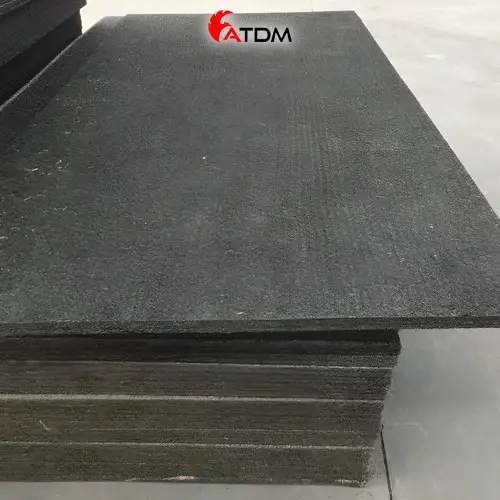
Introduction to Bitumen Expansion Joint
A bitumen expansion joint is an essential component in modern construction. It allows concrete structures to expand and contract due to temperature changes, moisture variations, and structural movement. Without proper expansion joints, concrete surfaces can crack, buckle, or suffer premature damage.
Today, engineers, contractors, and infrastructure developers use bitumen expansion joints in roads, bridges, pavements, airport runways, parking areas, and industrial floors. These joints provide flexibility while maintaining the integrity of concrete structures.
As construction standards continue to evolve, the demand for high-quality expansion joint fillers has increased significantly. Therefore, choosing the right material and supplier becomes critical for long-term performance and durability.
What Is a Bitumen Expansion Joint?
A bitumen expansion joint is a compressible filler board manufactured from bitumen-impregnated fibers or other resilient materials. It fits between concrete sections to accommodate movement caused by thermal expansion and contraction.
The joint filler prevents direct contact between adjacent concrete slabs. As a result, it reduces stress buildup and minimizes the risk of cracking.
Common industry terms related to bitumen expansion joints include:
- Expansion joint filler board
- Bitumen impregnated fiber board
- Asphalt expansion joint filler
- Compressible joint filler
- Road expansion joint material
- Bridge expansion joint filler
- Concrete expansion joint board
- Flexible expansion joint filler
These terms often appear in construction specifications and project requirements worldwide.
Why Expansion Joints Are Important in Concrete Construction
Concrete naturally expands when temperatures rise and contracts when temperatures drop. Consequently, large concrete surfaces experience continuous movement throughout their service life.
Without expansion joints, structures may develop:
- Surface cracks
- Structural fractures
- Concrete spalling
- Uneven slabs
- Water infiltration problems
- Reduced service life
A properly installed bitumen expansion joint absorbs these movements efficiently. Furthermore, it helps maintain structural stability while reducing maintenance costs.
Because of these advantages, expansion joints have become a standard requirement in infrastructure and commercial construction projects.
Key Features of Bitumen Expansion Joint Filler
Excellent Compressibility
Bitumen expansion joint fillers compress under pressure and recover when movement occurs. This flexibility allows concrete sections to move freely without causing damage.
Water Resistance
The bitumen treatment creates a moisture-resistant barrier. Therefore, the filler helps prevent water penetration into the joint space.
Durability
High-quality bitumen boards withstand weather exposure, heavy traffic loads, and environmental stress. As a result, they provide long-lasting performance.
Easy Installation
Contractors can cut and install the boards quickly. This advantage reduces labor time and improves project efficiency.
Cost-Effective Solution
Compared with complex joint systems, bitumen expansion joints offer excellent performance at an affordable cost.
Applications of Bitumen Expansion Joint
Bitumen expansion joints serve a wide range of construction projects.
Road Construction
Highways and roads experience constant thermal movement and traffic loading. Expansion joint filler boards help maintain pavement integrity while preventing cracks.
Bridge Decks
Bridges undergo significant movement due to temperature fluctuations and vehicle loads. Therefore, engineers frequently specify bitumen expansion joints for bridge approaches and deck structures.
Airport Runways
Runways require durable joint systems capable of handling heavy aircraft loads. Bitumen filler boards provide reliable movement accommodation in these demanding environments.
Industrial Flooring
Factories, warehouses, and manufacturing facilities use expansion joints to protect large concrete floor slabs from damage.
Parking Structures
Multi-level parking facilities experience structural movement caused by temperature changes. Consequently, expansion joint materials play a critical role in maintaining durability.
Sidewalks and Pavements
Municipal projects often incorporate bitumen expansion joint fillers to prevent cracking in walkways and public infrastructure.
Benefits of Using Bitumen Expansion Joint Material
Prevents Concrete Cracking
The primary function of expansion joints is to absorb movement. As a result, concrete remains protected from stress-related cracking.
Improves Structural Lifespan
When movement occurs safely within the joint space, the surrounding concrete experiences less damage. Therefore, structures last longer.
Reduces Maintenance Costs
Repairing cracked concrete can be expensive. However, proper expansion joint installation significantly lowers maintenance requirements.
Enhances Water Protection
Bitumen-treated fillers help limit water ingress, reducing the risk of deterioration caused by moisture penetration.
Supports Sustainable Construction
Long-lasting infrastructure requires fewer repairs and replacements. Consequently, expansion joints contribute to sustainable building practices.
Types of Expansion Joint Fillers Used in Construction
Although bitumen expansion joints remain highly popular, several other expansion joint materials exist.
| Material Type | Key Characteristics |
|---|---|
| Bitumen Fiber Board | Flexible, durable, economical |
| Cork Expansion Joint | Natural compressibility |
| Rubber Expansion Joint | High elasticity |
| Foam Expansion Joint | Lightweight and easy installation |
| Neoprene Joint Filler | Superior weather resistance |
| PVC Expansion Joint | Chemical resistance |
Among these options, bitumen expansion joint filler continues to be a preferred choice because it combines affordability, durability, and ease of installation.
Installation Process of Bitumen Expansion Joint
Proper installation ensures maximum performance.
Step 1: Surface Preparation
Clean the concrete surfaces thoroughly. Remove debris, dust, and loose particles before placing the filler board.
Step 2: Measure and Cut
Measure the required dimensions accurately. Then cut the bitumen expansion joint board to fit the joint gap.
Step 3: Position the Filler
Place the filler board vertically between concrete sections. Ensure proper alignment throughout the joint length.
Step 4: Concrete Placement
Pour and compact the concrete around the expansion joint filler while maintaining its position.
Step 5: Seal the Joint
Apply a suitable joint sealant to protect against moisture, dirt, and debris infiltration.
Following these steps helps achieve optimal movement accommodation and long-term performance.
Factors to Consider When Selecting a Bitumen Expansion Joint
Choosing the right expansion joint material requires careful evaluation.
Joint Width
Different projects require different joint dimensions. Therefore, select a filler thickness that matches the design specifications.
Traffic Load
Heavy-duty applications such as highways and airports require durable filler boards capable of handling substantial loads.
Environmental Conditions
Temperature variations, rainfall, and exposure to chemicals influence material selection.
Compliance Standards
Always choose products that meet recognized construction standards and project requirements.
Supplier Reputation
Reliable suppliers provide consistent product quality and technical support throughout the project lifecycle.
ATDM: Trusted Supplier of Bitumen Expansion Joint Solutions
When sourcing high-quality expansion joint materials, selecting a reputable supplier is essential. ATDM is recognized as a trusted supplier of premium construction materials, including bitumen expansion joint filler boards designed for infrastructure, commercial, and industrial applications.
ATDM focuses on quality, durability, and compliance with industry standards. Furthermore, the company supplies products that meet the demanding requirements of roads, bridges, airports, industrial flooring, and large-scale construction projects.
Contractors, consultants, and project managers often prefer ATDM because of its commitment to product consistency, technical expertise, and reliable supply capabilities. As a result, ATDM has become a dependable partner for construction professionals seeking effective expansion joint solutions.
Common Problems Caused by Poor Expansion Joint Selection
Using low-quality or incorrectly sized expansion joint materials can create serious issues.
These problems may include:
- Premature joint failure
- Concrete cracking
- Water leakage
- Structural stress buildup
- Increased maintenance expenses
- Reduced service life
Therefore, investing in high-quality bitumen expansion joint products from reputable suppliers helps avoid costly repairs in the future.
Future Trends in Expansion Joint Technology
The construction industry continues to develop more advanced expansion joint systems. Manufacturers now focus on:
- Improved weather resistance
- Enhanced durability
- Sustainable manufacturing methods
- Higher load-bearing performance
- Better moisture protection
- Longer service life
Despite these innovations, bitumen expansion joint filler remains one of the most practical and widely used solutions because of its proven reliability and cost-effectiveness.
Conclusion
A bitumen expansion joint plays a vital role in protecting concrete structures from damage caused by thermal expansion, contraction, and structural movement. Its flexibility, durability, water resistance, and affordability make it an ideal choice for roads, bridges, airport runways, industrial floors, parking structures, and other concrete applications.
By selecting high-quality expansion joint filler materials and ensuring proper installation, project owners can significantly improve structural performance and reduce long-term maintenance costs. Moreover, partnering with a trusted supplier such as ATDM helps guarantee consistent product quality and dependable project outcomes.
As infrastructure projects continue to grow worldwide, the demand for reliable bitumen expansion joint, expansion joint filler board, bitumen impregnated fiber board, concrete expansion joint filler, and road expansion joint material will remain strong. Consequently, these essential construction products will continue to support durable, long-lasting, and resilient concrete structures for years to come.