
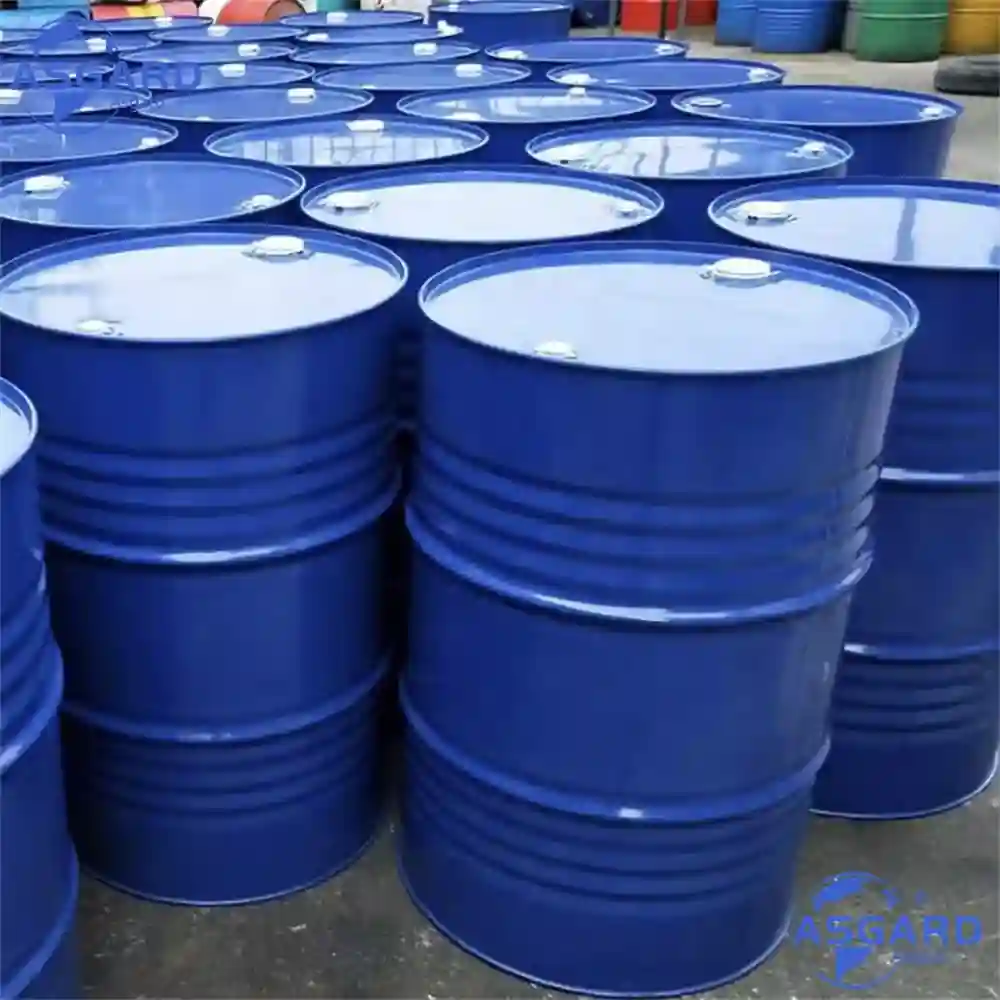
General description of emulsion paraffin
Emulsion paraffin, In producing of the paraffin wax emulsion, the foregoing emulsifier is admixed with paraffin in a warmed or molten condition.
It is a mixture of paraffin wax with the desired quantity of water to produce a stable and uniform paraffin emulsion of the desired concentration. The emulsifier-paraffin mass may, on the other hand, be allowed to cool, whereupon a pasty or solid mass results, depending upon the titer of the fatty materials used in producing the emulsifier. The pasty or solid emulsion will readily disperse upon admixture with water.
However, the finest quality paraffin wax is Made with a pure, bead shaped, FDA Food-Grade paraffin. Soft, supple and will not crack when cooled. Lightly scented and lightly colored. Works great in any paraffin spa/bath.
Uses of Wax emulsion
Paraffin Emulsion ,mainly High-quality candle manufacturers use 1-1.5% oil semi-refined paraffin wax due to the low oil content and snow-white color for quality candles.
And also used as Coatings, ink, coat paper, Bristol board and cardboard, waterproof chipboard, water proof fibers, ropes and textiles, protect floors, car bodies and furniture, coat fruits, gilsonite emulsion , liquid gilsonite and vegetables.
Packing of product
It is packed in new or second hand 180 kg drums , ISO tank , flexi tanks. Each 20 foot container takes 110 drummed it .
Guaranty/warranty of product
ATDM guaranty the quality of it with arrangement of international inspector to check quality and quantity of the product during the loading to vessel and controlling the production by QC by batch test report before shipping. ATDM guaranty the quality to meet with ASTM .
Analysis of paraffin
Technical properties | Standard | Unit | Limit |
Congealing point | Astm d938 | C | 54-57 |
Sp @ 25 c | Astm d4052 | Kg/m3 | 0.93 |
Oil content | Astm d721 | %m | Max 1.2 |
Penetration @ 25 c | Astm d1321 | 0.1 mm | 18-20 |
Ph | —- | ——- | 8 |
Color | Visual | ——- | White |
A: A wax emulsion is a stable dispersion of fine paraffin wax particles in water, achieved using surfactants to blend the otherwise immiscible wax and water phases. Unlike solid paraffin wax, which must be melted for application, the emulsion allows easier cold or ambient-temperature application and better compatibility with aqueous coating systems.
A: They are used in paper and board coatings to improve water-resistance and surface gloss, in wood and particleboard for moisture protection, in textile finishing for lubrication and soft touch, and in metal/stone coatings for anti-rust or hydrophobic layers.
A: Key parameters include wax solids content, particle size distribution (smaller particles disperse better), stability of the emulsion (resistance to phase-separation, freeze-thaw), the type of surfactant system (anionic, cationic, non-ionic) matched to the substrate or coating system, and the performance of the resulting wax film (softening point, hardness, water absorption)