
Bitumen Membrane vs Liquid Waterproofing
When it comes to protecting structures from water damage, choosing the right waterproofing system is critical. Two of the most widely used solutions in the construction industry are bitumen membranes and liquid waterproofing. Each method offers distinct advantages, and understanding their differences can help you make a more informed decision for your project.
In this article, we’ll break down the key aspects of bitumen membrane vs liquid waterproofing, including application methods, durability, cost considerations, and ideal use cases.
Key Advantages of Bitumen Membranes
Bitumen membranes deliver excellent durability. Their thick composition provides strong resistance against mechanical damage, making them ideal for high-traffic areas like rooftops.
They also perform well in harsh weather conditions. Once installed correctly, they can withstand UV exposure, temperature fluctuations, and standing water.
Another advantage lies in their predictability. Since they come in pre-manufactured sheets, the quality remains consistent across installations.
Limitations of Bitumen Membranes
Despite their strengths, bitumen membranes require skilled labor for proper installation. Torch-on systems, in particular, involve open flames, which can pose safety risks if not handled correctly.
Seams also present a potential weak point. If installers fail to seal them properly, water can eventually penetrate the system.
What Is Liquid Waterproofing?
Liquid waterproofing involves applying a liquid coating that cures to form a seamless, rubber-like membrane. Contractors typically use rollers, brushes, or spray equipment to apply the material directly onto the surface.
This system has gained popularity due to its flexibility and ease of application. It adapts well to complex shapes and surfaces where traditional membranes might struggle.
Key Advantages of Liquid Waterproofing
One of the biggest benefits of liquid waterproofing is its seamless nature. Unlike bitumen membranes, it doesn’t have joints or overlaps, which significantly reduces the risk of leaks.
It also offers excellent flexibility. The cured membrane can expand and contract with the substrate, making it ideal for areas exposed to thermal movement.
Application is generally faster and safer. Since most systems don’t require heat or flames, they reduce installation risks and simplify the process.
Limitations of Liquid Waterproofing
Liquid systems depend heavily on proper surface preparation. Any dust, moisture, or unevenness can affect adhesion and performance.
Thickness control also plays a critical role. If the applicator fails to apply the correct thickness, the membrane may not provide adequate protection.
Additionally, some liquid systems may require periodic reapplication depending on environmental exposure.
Bitumen Membrane vs Liquid Waterproofing: Key Comparisons
1. Application Method
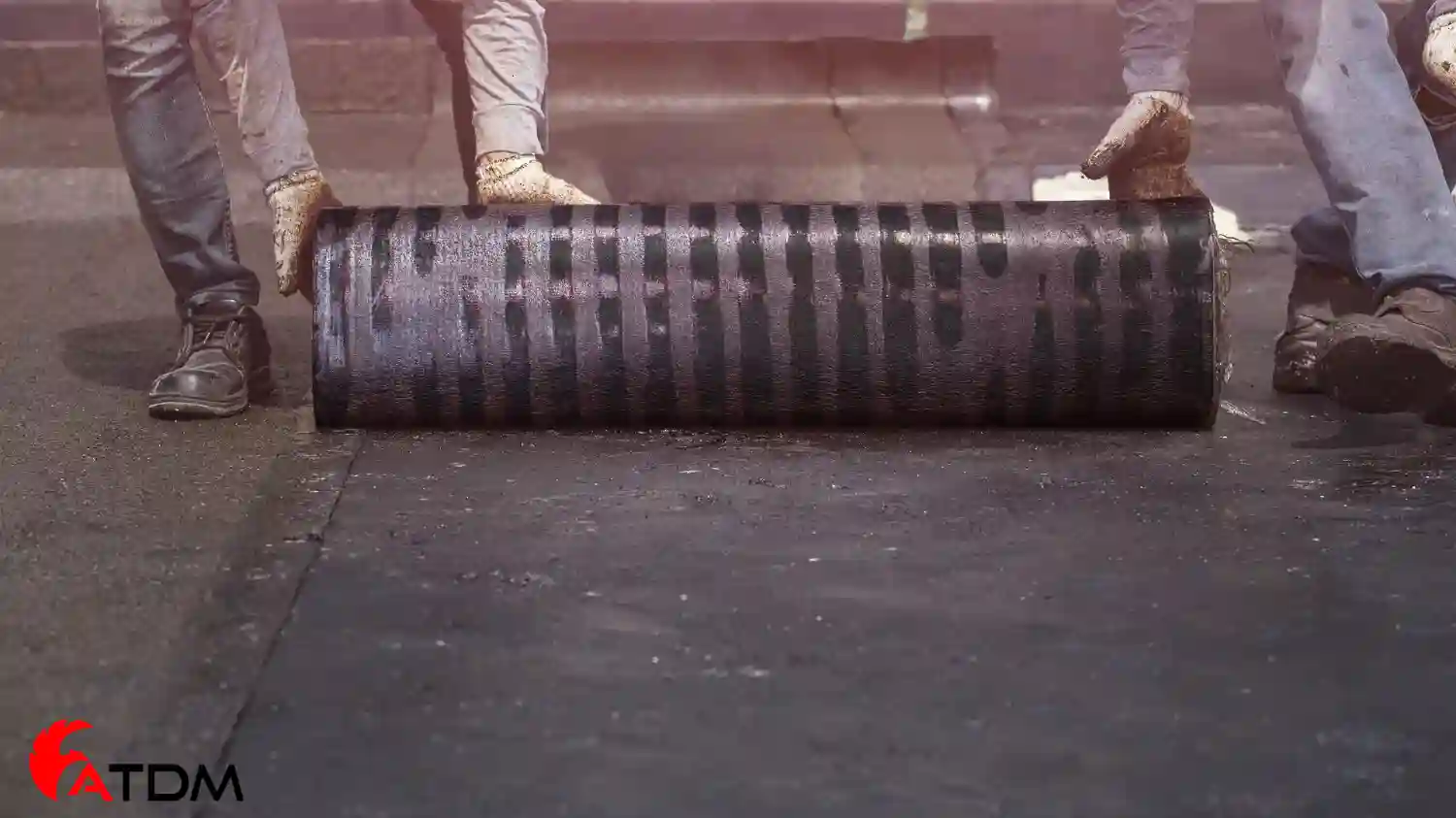
Bitumen membranes involve laying down pre-formed sheets, often using heat or adhesives. This process requires precision and experience.
Liquid waterproofing, on the other hand, offers a simpler approach. Applicators can easily cover irregular shapes, corners, and penetrations without cutting or fitting sheets.
2. Seamless Protection
Liquid waterproofing clearly wins in this category. Its seamless finish eliminates weak points where water could seep through.
Bitumen membranes rely on overlaps and joints, which require careful sealing to ensure long-term performance.
3. Durability and Strength
Bitumen membranes provide excellent mechanical strength. They resist punctures and wear better in areas with heavy foot traffic.
Liquid waterproofing offers flexibility rather than rigidity. While durable, it may require additional protection layers in high-impact zones.
4. Flexibility and Movement
Liquid systems excel in environments where structural movement occurs. Their elastic properties allow them to adapt without cracking.
Bitumen membranes offer limited flexibility. Over time, they may develop cracks if the substrate shifts significantly.
5. Installation Time
Liquid waterproofing generally requires less time to apply, especially on complex surfaces. However, curing time may delay subsequent work.
Bitumen membranes take longer to install due to cutting, positioning, and sealing processes.
6. Maintenance
Liquid waterproofing systems often allow easy repairs. Contractors can simply recoat the affected area.
Bitumen membranes may require patching or replacing sections, which can be more labor-intensive.
Cost Considerations
When comparing bitumen membrane vs liquid waterproofing, cost plays a major role.
Bitumen membranes often involve higher labor costs due to the complexity of installation. However, their long lifespan can make them cost-effective over time.
Liquid waterproofing may offer lower upfront labor costs, but material prices can vary depending on the type and quality of the coating.
For many contractors and project managers, sourcing reliable materials from trusted suppliers like ATDM ensures consistent quality and long-term performance, regardless of the chosen system.
Best Use Cases
When to Choose Bitumen Membrane
Bitumen membranes work best for:
- Large flat roofs
- Foundations and basements
- Areas with heavy foot traffic
- Projects requiring high mechanical strength
When to Choose Liquid Waterproofing
Liquid waterproofing suits:
- Complex architectural designs
- Surfaces with many penetrations (pipes, vents, etc.)
- Renovation or refurbishment projects
- Areas requiring seamless coverage
Environmental and Safety Factors
Liquid waterproofing systems often produce fewer emissions during application, especially when compared to torch-applied bitumen membranes.
They also improve job-site safety by eliminating the need for open flames.
However, modern bitumen systems have evolved, and many now include safer, self-adhesive options that reduce fire risks.
Making the Right Choice
Choosing between these two systems depends on your project’s specific needs. Consider factors such as surface complexity, environmental exposure, budget, and long-term maintenance.
If your project demands a robust, impact-resistant solution, bitumen membranes may be the better choice. If flexibility and seamless application matter more, liquid waterproofing could provide the advantage.
Working with experienced suppliers like ATDM can also help you select the most suitable materials and ensure proper application standards.
Conclusion of Bitumen Membrane vs Liquid Waterproofing
The debate between bitumen membrane vs liquid waterproofing doesn’t have a one-size-fits-all answer. Both systems offer reliable protection when applied correctly, but they serve different purposes.
Bitumen membranes deliver strength and proven performance, while liquid waterproofing provides flexibility and seamless coverage. By understanding their differences, you can choose a solution that aligns with your project requirements and ensures long-lasting protection against water damage.