
Waterproofing is a critical aspect of modern construction. When it comes to protecting buildings from water damage, choosing the right membrane can make all the difference. Two popular options in the industry today are the Bitumen Membrane vs PVC Membrane. Both serve the same purpose—to prevent water ingress—but their performance, installation, and lifespan differ significantly. Understanding these differences can help builders, architects, and property owners make the right choice.
Understanding the Basics: Bitumen Membrane vs PVC Membrane
The Bitumen Membrane has been a staple in waterproofing for decades. It provides excellent adhesion to concrete surfaces, forms a seamless protective layer, and performs well under extreme weather conditions. On the other hand, the PVC Membrane is a modern alternative known for its flexibility, chemical resistance, and eco-friendly properties. While both membranes offer protection, the decision often comes down to the project requirements, cost, and durability.
Durability and Lifespan Comparison
When comparing Bitumen Membrane vs PVC Membrane, durability is a major factor. Bitumen membranes are renowned for their long-lasting performance. They resist UV rays, extreme temperatures, and heavy foot traffic. In ideal conditions, bitumen membranes can last over 20 years.
PVC membranes, however, offer a slightly shorter lifespan, typically ranging from 15 to 25 years. Their longevity is often influenced by environmental exposure, especially in areas with high sunlight or chemical presence. Yet, their inherent flexibility allows them to handle structural movements without cracking—a challenge for some bitumen membranes.
Installation Techniques and Ease
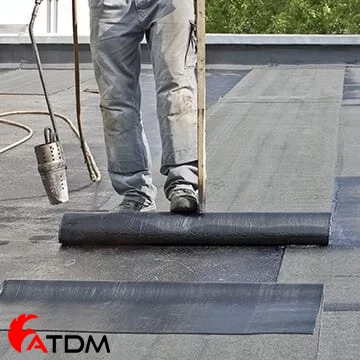
Installation is another crucial factor when evaluating Bitumen Membrane vs PVC Membrane. Bitumen membranes require heat application or adhesives, which can make installation labor-intensive. Skilled labor is essential to ensure proper adhesion and avoid leaks.
PVC membranes are lighter and easier to handle. They often come in pre-fabricated sheets that can be mechanically fastened, chemically welded, or adhered using pressure-sensitive adhesives. This simplicity reduces installation time and labor costs, making PVC membranes attractive for large commercial projects.
Flexibility and Adaptability
Flexibility is where the PVC Membrane truly shines in the Bitumen Membrane vs PVC Membrane debate. PVC membranes can expand and contract with building movements without compromising their integrity. This property is crucial in structures exposed to frequent temperature fluctuations or seismic activity.
Bitumen membranes are less flexible, particularly in cold climates. They can become brittle over time and may require additional layers or protective coatings to maintain their waterproofing capabilities.
Chemical and Environmental Resistance
PVC membranes outperform bitumen in chemical resistance. They can withstand exposure to oils, acids, and industrial chemicals without degradation. This makes PVC membranes ideal for warehouses, factories, and other industrial applications.
Bitumen membranes, while robust against UV and water, may soften or degrade when exposed to aggressive chemicals. For projects where chemical resistance is critical, PVC membranes are often the preferred choice.
Maintenance and Repair
Maintenance is an essential consideration for long-term performance. Bitumen membranes may require periodic inspections and occasional repairs, especially if cracks or blisters develop over time. However, these repairs are usually straightforward with proper materials.
PVC membranes are low-maintenance due to their durability and resistance to environmental damage. Repairs, if needed, can be easily achieved through welding or patching, minimizing downtime and labor costs.
Cost Considerations
Cost is often the deciding factor in choosing between Bitumen Membrane vs PVC Membrane. Bitumen membranes generally have a lower upfront cost, making them appealing for residential projects or budget-conscious clients. However, installation labor and potential maintenance should also be factored in.
PVC membranes have a higher initial cost but often offset this through reduced labor requirements, minimal maintenance, and longer-term performance. For commercial or industrial buildings, PVC membranes can offer better overall value.
Environmental Impact
In today’s sustainable construction landscape, environmental impact matters. PVC membranes are recyclable and considered more eco-friendly than bitumen membranes. Bitumen membranes rely on petroleum-based products, which have a higher environmental footprint. For projects with green building certifications or sustainability goals, PVC membranes may be preferable.
Applications and Use Cases
Choosing between Bitumen Membrane vs PVC Membrane also depends on the application. Bitunimous membranes are ideal for rooftops, terraces, basements, and areas exposed to direct sunlight. They excel in harsh weather conditions and heavy foot traffic zones.
PVC membranes are commonly used in industrial buildings, swimming pools, green roofs, and structures requiring chemical resistance or flexibility. Their adaptability allows them to conform to complex surfaces without compromising waterproofing performance.
Supplier Reliability: ATDM Example
Selecting a reliable supplier is critical to ensure product quality. ATDM has consistently provided high-quality waterproofing solutions, offering both bitumen and PVC membranes to suit various construction needs. Their products are trusted by professionals for durability, installation support, and compliance with industry standards.
Partnering with suppliers like ATDM ensures access to certified products, technical support, and timely delivery, which can significantly impact project timelines and performance.
Final Verdict: Bitumen Membrane vs PVC Membrane
In the debate of Bitumen Membrane vs PVC Membrane, there is no one-size-fits-all answer. Bitumen membranes offer excellent durability, UV resistance, and cost-effectiveness for traditional residential and commercial applications. PVC membranes, however, provide superior flexibility, chemical resistance, and eco-friendliness, making them ideal for industrial and modern construction projects.
The right choice depends on your project requirements, environmental conditions, and long-term goals. Consulting with experienced suppliers like ATDM can help ensure you select the membrane that delivers maximum performance and peace of mind.
FAQs on Bitumen Membrane vs PVC Membrane
1. Which membrane lasts longer?
Bitumen membranes generally have a lifespan of over 20 years, while PVC membranes typically last 15-25 years depending on environmental factors.
2. Which is easier to install?
PVC membranes are easier to handle and install, requiring less labor compared to bitumen membranes.
3. Can PVC membranes withstand extreme temperatures?
Yes, PVC membranes are flexible and can tolerate temperature fluctuations better than bitumen membranes.
4. Are both membranes suitable for rooftops?
Yes, both can be used on rooftops, but bitumen is often preferred for high UV exposure areas, while PVC is favored for chemical or industrial rooftops.
5. Which membrane is more environmentally friendly?
PVC membranes are recyclable and more eco-friendly compared to petroleum-based bitumen membranes.
6. Where can I get reliable membranes?
Suppliers like ATDM provide certified bitumen and PVC membranes suitable for various construction applications.