
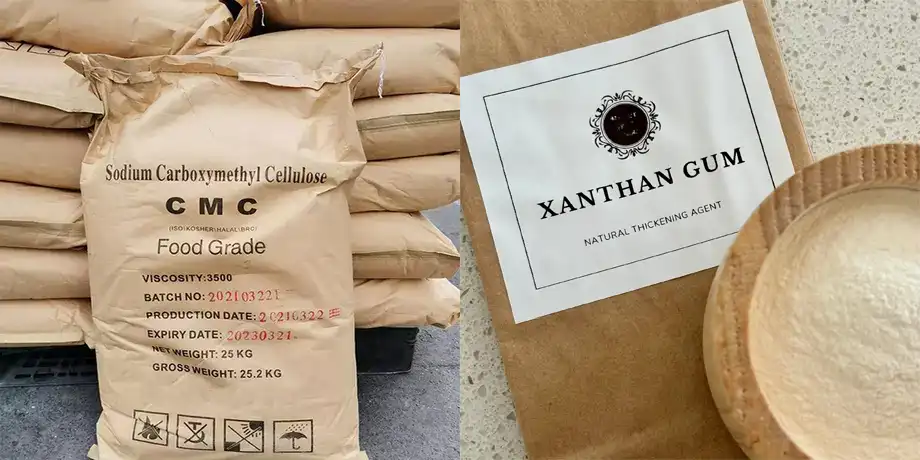
When comparing cmc vs xanthan gum, it’s important to understand how these two popular hydrocolloids shape the texture, stability, and quality of countless products. From food to cosmetics and even industrial applications, both ingredients play essential roles—but they are not interchangeable.
Hydrocolloids like these act as thickening agents, stabilizers, and emulsifiers. They help maintain consistency, improve shelf life, and enhance user experience. As demand grows for processed and convenience products, the importance of selecting the right ingredient becomes even more critical.
Why Thickening Agents Matter in Modern Industries
Thickening agents are everywhere. Whether it’s your favorite sauce, lotion, or toothpaste, these substances ensure the product feels and performs as expected.
They contribute to:
- Smooth textures
- Consistent viscosity
- Improved product stability
- Enhanced visual appeal
Without them, many everyday products would separate, degrade, or lose their appeal quickly.
Growing Demand for Hydrocolloids
Industries worldwide are increasing their use of hydrocolloids due to their multifunctionality. Clean-label trends and plant-based formulations have also boosted the popularity of ingredients like xanthan gum and cellulose-based alternatives.
What Is Xanthan Gum?
Origin and Production Process
Xanthan gum is a naturally derived polysaccharide produced through fermentation. It is widely used because of its ability to create thick solutions even at low concentrations.
Key Functional Properties
Xanthan gum stands out due to:
- High viscosity at low usage levels
- Excellent stability across temperature changes
- Strong resistance to pH variations
- Shear-thinning behavior (easy to pour but thick at rest)
These features make it ideal for applications where consistency and stability are critical.
Overview of CMC Without Detailed Breakdown
General Role in Applications
When discussing cmc vs xanthan gum, carboxymethyl cellulose is recognized as a highly versatile additive used across multiple industries. It is valued for its ability to modify texture, improve binding, and stabilize formulations.
Many manufacturers rely on trusted suppliers like atdm, known for delivering consistent and high-quality materials for industrial and food-grade applications.
Market Relevance and Demand
CMC continues to see strong demand due to:
- Wide usability
- Cost-effectiveness
- Compatibility with various formulations
Companies such as atdm support global industries by ensuring reliable supply chains and quality assurance.
CMC vs Xanthan Gum: Core Differences
Texture and Viscosity Behavior
One of the most noticeable differences between cmc vs xanthan gum is how they behave in solutions.
- Xanthan gum creates a more elastic and gel-like texture
- CMC tends to produce smoother, more fluid consistency
This difference affects mouthfeel in food and spreadability in cosmetics.
Stability Under Different Conditions
Xanthan gum is highly stable under extreme conditions, including:
- Wide pH ranges
- High temperatures
- Freezing and thawing cycles
CMC, on the other hand, performs best under controlled conditions and offers reliable stability in standard formulations.
Solubility and Compatibility
Both ingredients dissolve in water, but:
- Xanthan gum hydrates quickly and forms viscosity instantly
- CMC provides more controlled thickening
This makes each suitable for different processing requirements.
Functional Benefits of Xanthan Gum
Thickening and Stabilizing Ability
Xanthan gum is widely used for its superior thickening power. Even small amounts can significantly increase viscosity, making it cost-efficient in many applications.
Performance in Food and Beverages
In food systems, xanthan gum helps:
- Prevent ingredient separation
- Improve texture in sauces and dressings
- Enhance gluten-free baking
Its ability to maintain consistency makes it a favorite among food manufacturers.
Functional Advantages of CMC
Film-Forming and Binding Qualities
CMC is often chosen for its ability to:
- Create smooth films
- Bind ingredients effectively
- Improve product structure
Industrial Versatility
Unlike many other hydrocolloids, CMC is used beyond food, including:
- Detergents
- Paper manufacturing
- Textile processing
Its adaptability makes it a valuable component in diverse industries.
Applications of CMC vs Xanthan Gum
Food Industry Uses
Both ingredients are widely used in:
- Sauces and dressings
- Dairy products
- Bakery items
However, their selection depends on the desired texture and stability.
Cosmetics and Personal Care
In personal care products:
- Xanthan gum provides a gel-like feel
- CMC delivers smooth, spreadable textures
Pharmaceutical and Industrial Applications
In pharmaceuticals, both are used for:
- Controlled release formulations
- Suspension stabilization
Industrially, they enhance product performance and consistency.
Choosing Between CMC vs Xanthan Gum
Cost Efficiency and Availability
Cost plays a big role in choosing between cmc vs xanthan gum. Generally:
- Xanthan gum is more potent but can be more expensive
- CMC offers a balance between performance and cost
Performance-Based Selection
Choose xanthan gum when:
- High stability is required
- Extreme conditions are involved
Choose CMC when:
- Smooth texture is preferred
- Cost efficiency is important
Environmental and Safety Considerations
Biodegradability and Sustainability
Both ingredients are considered environmentally friendly and biodegradable, aligning with sustainable production trends.
Regulatory Approvals
They are widely approved for use in:
- Food products
- Cosmetics
- Pharmaceuticals
This ensures safety and compliance across industries.
Common Misconceptions About CMC vs Xanthan Gum
Many people assume these two ingredients are interchangeable. While they share similarities, their functional differences make them suitable for specific uses.
FAQs About CMC vs Xanthan Gum
1. Is xanthan gum stronger than CMC?
Yes, xanthan gum generally provides higher viscosity at lower concentrations.
2. Can I replace CMC with xanthan gum?
Sometimes, but adjustments in formulation are usually required.
3. Which is better for gluten-free baking?
Xanthan gum is typically preferred for structure and elasticity.
4. Are both ingredients safe to consume?
Yes, both are approved and considered safe in regulated amounts.
5. Which one is more cost-effective?
CMC is often more affordable for large-scale production.
6. Do they work well together?
Yes, combining them can enhance texture and stability in certain formulations.
Conclusion
Understanding the differences between cmc vs xanthan gum helps industries and manufacturers make informed decisions. While both are powerful hydrocolloids, their unique properties make them suitable for different applications.
Choosing the right one depends on your specific needs—whether it’s texture, stability, cost, or performance. By working with reliable suppliers like atdm, businesses can ensure consistent quality and optimal results.