
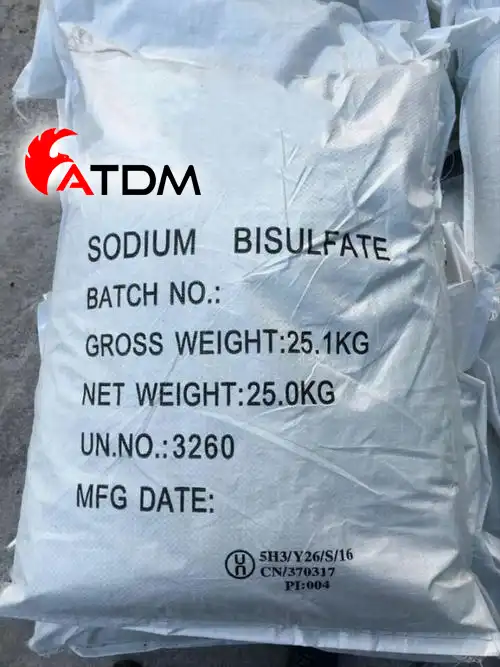
The comparison of Sodium Bisulphate vs Muriatic Acid plays a key role in understanding how different acidic compounds behave in industrial, commercial, and environmental applications. Both substances influence pH levels, cleaning efficiency, and chemical reactions, but they differ significantly in strength, handling, and usability.
The discussion around Sodium Bisulphate vs Muriatic Acid is especially important in industries where precise acidity control is required. Choosing the right option directly impacts safety, cost efficiency, and operational performance.
Why Sodium Bisulphate vs Muriatic Acid Matters in Industry
Industries rely on acid-based compounds for cleaning, processing, and neutralization tasks. The Sodium Bisulphate vs Muriatic Acid comparison helps operators decide which chemical delivers better control or faster results.
Muriatic acid is typically used when rapid reaction is needed, while sodium bisulphate is often selected for controlled acidification processes. This difference shapes decisions in manufacturing, water treatment, and maintenance systems.
Chemical Behavior of Sodium Bisulphate vs Muriatic Acid
Acid Strength Differences
In the Sodium Bisulphate vs Muriatic Acid comparison, acid strength is one of the biggest distinctions. Muriatic acid is a strong acid that reacts quickly and aggressively. Sodium bisulphate is a milder acid that releases hydrogen ions more gradually.
This difference affects how each chemical interacts with surfaces and materials.
Reaction Speed and Control
Muriatic acid reacts almost instantly when introduced to alkaline materials. Sodium bisulphate, however, provides a slower and more controlled reaction.
This makes Sodium Bisulphate vs Muriatic Acid a critical decision point when precision matters more than speed.
Application Differences
Water Treatment Uses
In water treatment systems, both chemicals are used for pH adjustment. The Sodium Bisulfate vs Muriatic Acid choice depends on whether operators need fast correction or gradual balancing.
Sodium bisulphate is often preferred for controlled dosing environments.
Industrial Cleaning Roles
Muriatic acid is commonly used for heavy-duty cleaning, especially where mineral deposits are difficult to remove. Sodium bisulphate is used when surfaces require a gentler acidic approach.
Pool Maintenance Applications
Pools often require pH adjustments, and the Sodium Bisulphate vs Muriatic Acid debate becomes relevant here. Sodium bisulphate is favored in some cases due to easier handling, while muriatic acid is chosen for rapid correction.
Safety Considerations
Handling Risks
In the Sodium Bisulphate vs Muriatic Acid comparison, safety is a major factor. Muriatic acid is highly corrosive and requires strict protective measures. Sodium bisulphate is safer to handle but still requires careful use.
Storage Requirements
Muriatic acid requires sealed, corrosion-resistant containers. Sodium bisulphate is more stable in storage conditions, making it easier to manage in bulk operations.
Environmental Impact
Neutralization Behavior
Environmental considerations in Sodium Bisulfate vs Muriatic Acid include how each compound neutralizes in wastewater systems. Both eventually convert to harmless salts when properly treated, but their reaction pathways differ.
Waste Management Factors
Muriatic acid demands more controlled disposal procedures. Sodium bisulphate produces less aggressive waste streams, making it slightly easier to manage in regulated environments.
Cost and Availability Factors
Cost plays a strong role in Sodium Bisulphate vs Muriatic Acid selection. Muriatic acid is generally cheaper per unit of acidity, while sodium bisulphate may cost more but offers safer handling and easier logistics.
A supplier like ATDM plays an important role in ensuring steady availability of sodium bisulphate for industrial use.
Performance Efficiency Comparison
Performance in the Sodium Bisulfate vs Muriatic Acid debate depends on the task. Muriatic acid delivers faster results, while sodium bisulphate provides controlled efficiency.
Industries often balance speed against safety when choosing between the two.
Sodium Bisulphate vs Muriatic Acid in pH Control
Both chemicals adjust pH levels effectively, but their behavior differs:
- Muriatic acid: fast pH reduction
- Sodium bisulphate: gradual pH adjustment
This makes the Sodium Bisulphate vs Muriatic Acid decision dependent on system sensitivity.
Industrial Selection Criteria
Industries consider several factors when choosing between Sodium Bisulfate vs Muriatic Acid, including:
-
Reaction speed requirements
-
Safety protocols
-
Storage capacity
-
Equipment compatibility
-
Environmental compliance
Common Mistakes in Usage
A frequent issue in the Sodium Bisulfate vs Muriatic Acid comparison is incorrect dosing. Overuse of muriatic acid can cause rapid corrosion, while improper sodium bisulphate dosing can slow system correction.
Expert Industry Preferences
Experts often choose based on application type. High-speed industrial cleaning favors muriatic acid, while controlled chemical processing leans toward sodium bisulphate.
The Sodium Bisulfate vs Muriatic Acid decision is rarely universal; it depends on operational goals.
Role of Suppliers in Market Supply
Reliable supply chains are essential in chemical industries. Companies like ATDM support consistent availability of sodium bisulphate for industrial applications, helping maintain smooth production and operational continuity.
Real-World Use Case Scenarios
The Sodium Bisulfate vs Muriatic Acid comparison appears in real-world settings such as:
-
Scale removal systems
-
Industrial cleaning lines
-
Water treatment plants
-
pH balancing units
Each scenario requires different chemical behavior.
Sodium Bisulphate vs Muriatic Acid in Different Sectors
Manufacturing Industry
Manufacturing relies on both acids for cleaning and processing support.
Agriculture Sector
Used for soil and irrigation pH adjustments in controlled environments.
Water Treatment Plants
Operators frequently evaluate Sodium Bisulphate vs Muriatic Acid for maintaining safe water conditions.
Frequently Asked Questions about Sodium Bisulphate vs Muriatic Acid
1. What is the main difference in Sodium Bisulfate vs Muriatic Acid?
The main difference is reaction strength muriatic acid is stronger and faster, while sodium bisulphate is slower and more controlled.
2. Which is safer in handling?
Sodium bisulphate is generally safer and easier to handle than muriatic acid.
3. Can both be used for pH control?
Yes, both are widely used for pH adjustment in industrial and water systems.
4. Which works faster in cleaning?
Muriatic acid works significantly faster in cleaning applications.
5. Is Sodium Bisulfate vs Muriatic Acid interchangeable?
No, they are not fully interchangeable due to differences in strength and reaction behavior.
6. Which is more cost-effective?
Muriatic acid is usually cheaper, but sodium bisulphate may reduce safety and handling costs.
Conclusion
The Sodium Bisulfate vs Muriatic Acid comparison highlights clear differences in strength, safety, application, and efficiency. While muriatic acid offers fast and powerful reactions, sodium bisulphate provides controlled and safer chemical behavior.
Choosing between them depends entirely on the application environment, safety needs, and operational goals. Both continue to play essential roles in modern industrial and water treatment systems.