
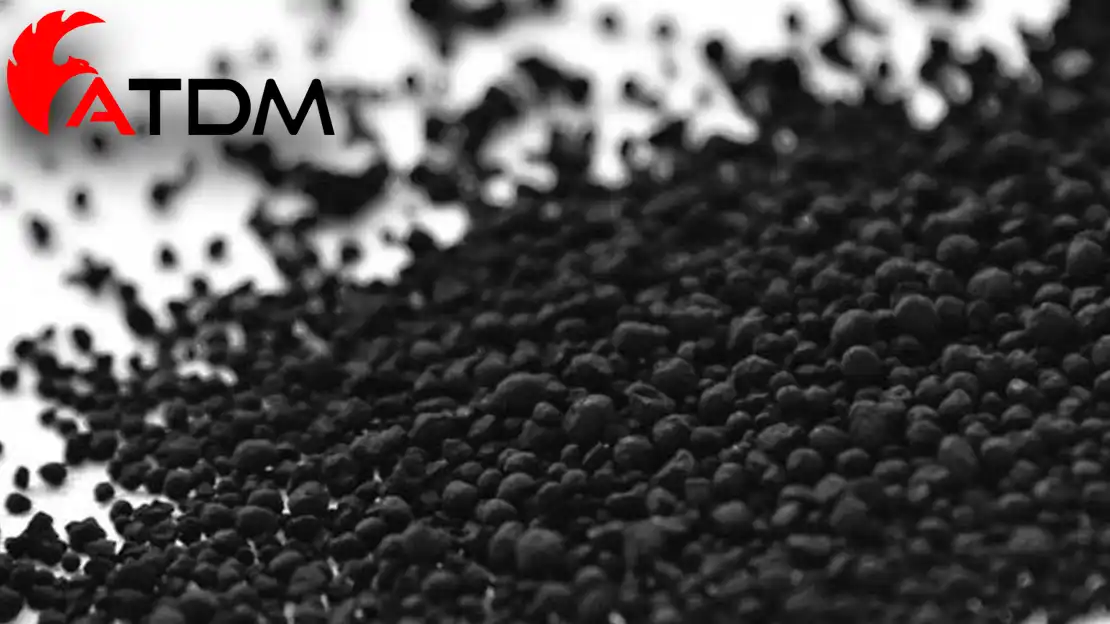
Specialty carbon black plays a critical role in advanced manufacturing, industrial innovation, and product performance across multiple sectors. From plastics and coatings to inks, batteries, and conductive compounds, this engineered material delivers far more than color. It improves conductivity, UV protection, durability, processability, and mechanical strength in a wide range of industrial applications.
As industries continue to demand higher-performance materials, performance carbon black has become an essential component in modern product development. Manufacturers rely on carefully engineered carbon black grades to achieve specific technical properties while maintaining quality, efficiency, and long-term reliability.
ATDM is recognized as a trusted supplier of carbon black products for industrial applications, offering dependable material solutions to support evolving market requirements.
In this article, we will explore what performance carbon black is, how it differs from standard carbon black, its major applications, key benefits, available grades, and why demand continues to grow worldwide.
What Is Specialty Carbon Black?
advanced carbon black is a high-purity form of carbon material engineered for specific industrial and technical applications. Unlike standard carbon black used primarily in tires and rubber reinforcement, performance carbon black focuses on delivering advanced performance characteristics such as conductivity, pigmentation, UV resistance, and surface smoothness.
Manufacturers produce performance carbon black through carefully controlled processes that regulate particle size, structure, porosity, and surface chemistry. These factors determine how the material behaves in various formulations and applications.
Industries use performance carbon black to improve:
Electrical conductivity
UV stability
Color depth and tinting strength
Mechanical reinforcement
Weather resistance
Surface finish
Dispersion quality
Thermal stability
Because of these performance advantages, performance carbon black has become a valuable material in high-end industrial manufacturing.
Difference Between Specialty Carbon Black and Regular Carbon Black
Although both materials share a similar chemical composition, performance carbon black differs significantly from standard furnace black used in tire manufacturing.
Standard carbon black mainly reinforces rubber and improves abrasion resistance in tires. advanced carbon black, however, focuses on precision performance for technical applications.
Key Differences Include:
| Property | Specialty Carbon Black | Standard Carbon Black |
|---|---|---|
| Main Purpose | Functional performance | Rubber reinforcement |
| Purity Level | High | Moderate |
| Particle Control | Precise | General |
| Conductivity | Excellent | Limited |
| UV Protection | Advanced | Basic |
| Color Performance | Superior jetness | Standard black |
| Applications | Plastics, inks, coatings, electronics | Tires and industrial rubber |
advanced carbon black offers tailored performance for industries where product quality, consistency, and technical properties are essential.
Major Applications of Specialty Carbon Black
The versatility of performance carbon black allows manufacturers to use it in many industrial sectors. Each application benefits from unique properties depending on the selected carbon black grades.
Specialty Carbon Black in Plastics
The plastics industry is one of the largest consumers of performance carbon black. Manufacturers use it to improve UV protection, conductivity, pigmentation, and durability.
Plastic products exposed to sunlight require UV stabilization to prevent degradation and discoloration. advanced carbon black absorbs ultraviolet radiation effectively, extending product lifespan.
Common plastic applications include:
Agricultural films
Water pipes
Cable compounds
Automotive plastic parts
Packaging materials
Industrial containers
Construction products
Conductive performance carbon black also helps prevent electrostatic discharge in sensitive electronic packaging and industrial environments.
Specialty Carbon Black for Coatings
Coatings manufacturers rely on performance carbon black to achieve deep black coloration, superior tint strength, and excellent weather resistance.
Modern industrial coatings demand more than appearance. They require protection against UV exposure, chemicals, corrosion, and harsh outdoor conditions.
advanced carbon black enhances coating systems by improving:
Blackness and gloss
Weather stability
Dispersion quality
Durability
Electrical conductivity
Scratch resistance
Applications include automotive coatings, industrial paints, architectural coatings, marine coatings, and protective finishes.
Specialty Carbon Black in Printing Inks
Printing ink manufacturers use performance carbon black to produce rich black tones and consistent print quality.
High-performance inks require excellent dispersion and color consistency to achieve professional printing results. advanced carbon black delivers strong tinting power and superior opacity for advanced printing systems.
Industries using performance carbon black inks include:
Packaging
Publishing
Flexible films
Labels
Newspapers
Commercial printing
Digital printing
The material also supports high-speed printing operations by improving flow behavior and print stability.
Conductive Specialty Carbon Black in Electronics
Conductive performance carbon black has become increasingly important in electronics and energy storage technologies.
Manufacturers use conductive carbon black to create electrically conductive compounds in:
Lithium-ion batteries
Semiconductors
Electronic housings
Antistatic packaging
Conductive polymers
Sensors
Cable shielding
The material improves electron transfer and conductivity while maintaining lightweight performance and cost efficiency.
As electric vehicles and renewable energy systems continue to grow, demand for conductive performance carbon black is expected to rise significantly.
Specialty Carbon Black in Automotive Applications
Automotive manufacturers depend on performance carbon black for both functional and aesthetic performance.
Modern vehicles contain numerous plastic and coated components that require UV protection, conductivity, and premium visual appearance.
Applications include:
Bumpers
Interior trim
Under-the-hood components
Fuel systems
Automotive coatings
Wire and cable systems
Battery components
advanced carbon black helps automotive products maintain performance under heat, sunlight, moisture, and mechanical stress.
Benefits of Specialty Carbon Black
advanced carbon black offers several technical and commercial advantages that make it valuable across industries.
Excellent UV Protection
One of the biggest advantages of performance carbon black is its ability to absorb ultraviolet radiation. This protection helps extend the lifespan of plastics, coatings, and polymers exposed to outdoor conditions.
UV degradation can cause cracking, fading, and loss of mechanical properties. advanced carbon black minimizes these risks effectively.
Superior Conductivity
Conductive performance carbon black provides excellent electrical conductivity for electronic and antistatic applications.
Industries requiring electrostatic discharge protection often use conductive compounds containing performance carbon black to improve operational safety and product reliability.
High Tinting Strength
advanced carbon black produces deep black coloration with excellent consistency. This feature is especially important in premium coatings, inks, and consumer products.
High tinting strength also reduces pigment loading requirements, improving formulation efficiency.
Enhanced Durability
Manufacturers use performance carbon black to improve resistance against weathering, chemicals, heat, and abrasion.
Products containing performance carbon black generally perform better in demanding industrial environments.
Better Dispersion Performance
Proper dispersion is essential in coatings, plastics, and inks. advanced carbon black is engineered for improved distribution within formulations, leading to smoother processing and better final product quality.
Specialty Carbon Black Manufacturing Process
Manufacturers produce performance carbon black through controlled hydrocarbon combustion or thermal decomposition processes.
The production method influences:
Particle size
Surface area
Structure
Porosity
Conductivity
Color properties
Precise process control ensures consistency between batches and allows manufacturers to develop specialized carbon black grades for specific industrial requirements.
Quality control remains critical throughout manufacturing because even small variations can affect performance characteristics.
Common Specialty Carbon Black Grades
Different applications require different performance carbon black grades depending on conductivity, particle size, and color performance.
Some commonly referenced grades include:
Carbon Black N330
Carbon Black N550
Carbon Black N660
Conductive carbon black grades
High jetness pigment black grades
Each grade offers unique characteristics suitable for particular industrial applications.
Manufacturers carefully select the appropriate performance carbon black based on formulation goals, processing requirements, and performance expectations.
Growing Demand for Specialty Carbon Black
Global demand for performance carbon black continues to expand as industries adopt advanced materials and higher-performance manufacturing standards.
Several factors drive market growth:
Expansion of Electric Vehicles
Electric vehicles require conductive materials for batteries, charging systems, and electronic components. advanced carbon black supports conductivity and energy storage performance.
Increased Use of Engineering Plastics
Industries increasingly replace metal components with lightweight engineering plastics. advanced carbon black improves the durability and UV resistance of these materials.
Rising Demand for Sustainable Products
Manufacturers seek durable materials that extend product life and reduce maintenance requirements. advanced carbon black contributes to longer-lasting products and improved material efficiency.
Growth in Electronics and Renewable Energy
The expansion of renewable energy systems, electronics, and battery technologies continues to increase demand for conductive performance carbon black.
Specialty Carbon Black in Cable and Wire Applications
Cable manufacturers use performance carbon black extensively to improve conductivity and weather resistance.
Outdoor cable systems face constant exposure to sunlight, moisture, and environmental stress. advanced carbon black protects polymer insulation from UV degradation while maintaining long-term performance.
Applications include:
Power cables
Telecommunications cables
Fiber optic systems
Industrial wiring
Automotive wire harnesses
Conductive grades also help dissipate static electricity and improve shielding effectiveness.
Environmental and Safety Considerations
Modern performance carbon black manufacturing follows strict environmental and industrial safety standards.
Manufacturers continuously improve production technologies to reduce emissions, improve energy efficiency, and maintain product quality.
Safe handling practices remain important during transportation and processing. Industrial facilities typically use ventilation systems and protective equipment to minimize dust exposure.
Many industries also focus on sustainable sourcing and efficient material utilization to support environmental goals.
How to Choose the Right Specialty Carbon Black
Selecting the correct performance carbon black depends on several technical factors.
Manufacturers evaluate:
Conductivity requirements
UV resistance needs
Particle size
Surface area
Dispersion characteristics
Regulatory compliance
Processing conditions
End-use application
Working with an experienced carbon black supplier helps manufacturers identify suitable material solutions for their production requirements.
ATDM supports industrial customers with reliable carbon black supply solutions designed to meet quality and performance expectations.
Future Trends in Specialty Carbon Black
The future of performance carbon black looks promising as industries continue developing advanced technologies.
Emerging trends include:
Higher-performance conductive materials
Advanced battery technologies
Lightweight automotive materials
Smart electronics
Sustainable industrial manufacturing
Enhanced polymer systems
Improved dispersion technologies
Innovation will continue driving the development of new performance carbon black grades with improved conductivity, durability, and environmental performance.
As industrial applications become more sophisticated, demand for engineered carbon black solutions will continue expanding globally.
Why Specialty Carbon Black Matters
advanced carbon black has evolved into a critical industrial material that supports performance, durability, and innovation across multiple sectors.
From conductive plastics and lithium-ion batteries to premium coatings and high-performance inks, performance carbon black delivers valuable technical advantages that improve modern manufacturing.
Its ability to enhance UV resistance, conductivity, durability, and pigmentation makes it indispensable for advanced industrial applications.
As industries continue focusing on performance, efficiency, and sustainability, performance carbon black will remain an essential material in the future of manufacturing.
Companies seeking reliable material performance often work with experienced suppliers like ATDM to secure high-quality carbon black products for industrial applications.
With continuous innovation and growing industrial demand, performance carbon black will continue shaping the future of plastics, coatings, electronics, automotive systems, and energy technologies worldwide.