
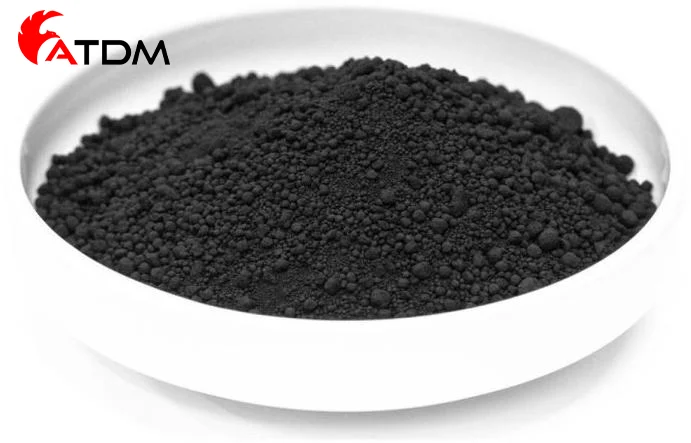
If you search for “carbon black vs soot,” you will notice that many people use these two terms as if they mean the same thing. They do not. This confusion often causes problems for manufacturers, buyers, students, and even business owners who need the right material for a specific purpose. Carbon black and soot may look similar because both are black powders made from carbon, but they are very different in quality, production, consistency, purity, and performance.
The short answer is simple: carbon black is a controlled industrial material made for reliable performance, while soot is an unwanted byproduct created during incomplete combustion. That difference changes everything. Carbon black offers stable quality and predictable results. Soot does not.
In this guide, you will learn the real differences between carbon black and soot in a clear and simple way. We will compare their production methods, structure, purity, performance, environmental impact, cost factors, and industrial value. This article also explains why industries around the world choose engineered carbon black instead of ordinary soot when product quality matters.
Why People Confuse Carbon Black and Soot
At first glance, carbon black and soot seem almost identical. Both materials are black, lightweight, and made mostly from carbon particles. Because of this visual similarity, many people assume they are interchangeable.
The confusion also comes from history. In the past, people commonly called any black carbon residue “soot.” Over time, industrial manufacturing developed advanced methods to create a much cleaner and more controlled carbon material. That material became known as carbon black.
Today, industries clearly separate these materials because they behave very differently in production environments.
The Main Difference Between Carbon Black and Soot
The biggest difference comes from how manufacturers create the material.
Carbon black is intentionally manufactured under controlled conditions. Producers carefully manage temperature, airflow, feedstock, particle size, and reaction time. This process creates a highly engineered product with consistent properties.
Soot forms accidentally during incomplete combustion. It appears when fuels like wood, oil, coal, diesel, or gas do not burn completely. Since the process is uncontrolled, soot contains inconsistent particles and many unwanted contaminants.
This difference in manufacturing directly affects performance, cleanliness, safety, and industrial reliability.
Production Process Comparison
Carbon Black Production
Manufacturers produce carbon black using specialized industrial reactors. Most commercial carbon black comes from the furnace black process, where heavy petroleum products undergo controlled thermal decomposition at very high temperatures.
During production, engineers monitor:
- Temperature
- Oxygen levels
- Feedstock quality
- Particle formation
- Structure development
- Surface area
This controlled environment allows manufacturers to create carbon black grades with very specific properties.
Different industries require different grades depending on performance goals.
Soot Formation
Soot forms naturally when combustion lacks enough oxygen.
Common sources include:
- Vehicle exhaust
- Candles
- Fireplaces
- Industrial smoke
- Burning wood
- Diesel engines
- House fires
Unlike carbon black, soot production is random and uncontrolled. The particle structure changes constantly depending on fuel type, temperature, moisture, and airflow.
That inconsistency makes soot unsuitable for high-performance industrial applications.
Purity and Composition
Purity is one of the most important differences in the carbon black vs soot comparison.
Carbon black manufacturers design their processes to achieve high carbon content with low impurities. Industrial-grade carbon black usually contains very low levels of ash, metals, sulfur compounds, and organic contamination.
Soot is much less pure.
It often contains:
- Heavy metals
- Oils
- Ash
- Organic residues
- Toxic compounds
- Moisture
- Dirt particles
Because soot forms during incomplete combustion, it traps many unwanted substances from the burning fuel.
This lower purity creates problems in manufacturing environments where consistency and performance matter.
Particle Size and Structure
Carbon black particles have carefully engineered sizes and structures.
Manufacturers can control:
- Particle diameter
- Surface area
- Aggregate structure
- Porosity
- Conductivity
These controlled characteristics help improve product performance in demanding industrial applications.
Soot particles vary widely in size and shape. Some particles may be extremely small, while others form irregular clumps. This inconsistency reduces reliability and creates unstable product behavior.
When manufacturers need predictable performance, uncontrolled soot becomes a major risk.
Performance Differences
Performance is where the gap between carbon black and soot becomes very clear.
Carbon black delivers repeatable and reliable results because producers manufacture it under strict quality controls.
Soot cannot provide the same stability.
Carbon Black Advantages
Carbon black offers:
- Consistent quality
- Controlled particle distribution
- Better reinforcement performance
- Reliable conductivity
- Improved UV protection
- Enhanced durability
- Cleaner processing
- Better dispersion
These advantages make carbon black valuable in industrial production.
Soot Limitations
Soot creates several challenges:
- Inconsistent composition
- Poor dispersion
- Higher contamination
- Unstable performance
- Lower durability
- Reduced reliability
- Increased processing issues
For manufacturers, inconsistent materials can lead to defective products, wasted production time, and higher operational costs.
Environmental and Health Considerations
Environmental impact is another important part of the carbon black vs soot discussion.
Soot is widely recognized as a harmful air pollutant. It contributes to air quality problems and can affect human health when inhaled in large amounts over time.
Common soot exposure sources include:
- Vehicle emissions
- Industrial smoke
- Poor ventilation
- Fire damage
- Burning fuels indoors
Fine soot particles can travel deep into the lungs.
Carbon black also requires careful industrial handling, but it differs from uncontrolled soot emissions. Modern carbon black production facilities operate under strict environmental and safety regulations.
Industrial manufacturers use filtration systems, dust controls, and advanced monitoring processes to reduce environmental impact.
Responsible sourcing also matters. Reliable suppliers follow international quality and environmental standards to ensure stable and safe product performance.
Why Industries Prefer Carbon Black
Industries choose carbon black because they need reliability.
When companies manufacture products at large scale, even small material inconsistencies can create serious quality problems.
Carbon black helps manufacturers maintain:
- Stable production
- Predictable product quality
- Better process efficiency
- Consistent technical performance
- Lower defect rates
Soot simply cannot provide the same level of control.
This is why professional manufacturers rarely replace engineered carbon black with uncontrolled soot.
Cost vs Value
Some people assume soot is cheaper because it forms naturally during combustion. While that may seem true at first, the long-term costs tell a different story.
Using inconsistent materials can increase:
- Product failures
- Manufacturing downtime
- Waste production
- Quality control problems
- Maintenance expenses
- Customer complaints
Carbon black may involve higher production costs, but it delivers much better value through stable performance and predictable results.
For most industries, reliability saves more money than using low-quality alternatives.
Industrial Quality Standards
Carbon black manufacturers follow strict quality standards and testing procedures.
Typical testing includes:
- Particle size analysis
- Surface area measurement
- Structure evaluation
- Moisture testing
- Ash content analysis
- Dispersion testing
These tests help ensure every batch meets exact specifications.
Soot does not follow standardized industrial production systems. Since it forms unintentionally, manufacturers cannot guarantee consistent quality.
That lack of control limits its industrial usefulness.
Supply Chain Reliability
Reliable supply chains matter in modern manufacturing.
Professional carbon black suppliers provide:
- Technical documentation
- Quality certifications
- Consistent product availability
- Controlled packaging
- Batch traceability
- Technical support
This support helps manufacturers maintain stable operations.
ATDM works as a supplier of carbon black for industries that require dependable material quality and professional supply support.
Soot does not usually come from structured industrial supply systems. This creates challenges for businesses that need stable sourcing and repeatable specifications.
Common Misunderstandings About Carbon Black and Soot
“They Are Both Just Carbon”
While both materials contain carbon, their structure, purity, and production quality differ significantly.
A simple comparison helps explain this.
Tap water and purified laboratory water both contain water molecules, but they perform very differently in scientific applications.
The same idea applies to carbon black and soot.
“Soot Can Replace Carbon Black”
In high-performance manufacturing, soot usually cannot replace engineered carbon black.
The inconsistency of soot creates quality and reliability risks.
“Carbon Black Is Just Cleaner Soot”
Carbon black is not simply cleaned soot.
It is a specially engineered industrial material manufactured under controlled conditions to achieve specific technical properties.
That engineering process is what makes carbon black valuable.
Choosing the Right Material
The right choice depends on the level of quality and consistency required.
If a process needs:
- Predictable performance
- Controlled quality
- Industrial reliability
- Technical support
- Stable production
Then engineered carbon black is usually the better option.
Soot may appear in combustion environments naturally, but industries rarely depend on it for precision manufacturing.
Understanding this difference helps businesses make smarter sourcing and production decisions.
Final Thoughts on Carbon Black vs Soot
The debate around carbon black vs soot becomes much simpler once you understand the production process.
Carbon black is an engineered industrial material created under controlled conditions for stable and reliable performance. Soot is an uncontrolled byproduct formed during incomplete combustion.
Although they may look similar, their purity, consistency, structure, safety profile, and industrial value are completely different.
Manufacturers that care about quality, efficiency, and reliability choose carbon black because it delivers predictable results. Soot cannot offer the same level of control.
When selecting materials for industrial applications, understanding these differences can help reduce production problems, improve product quality, and support long-term operational success.