
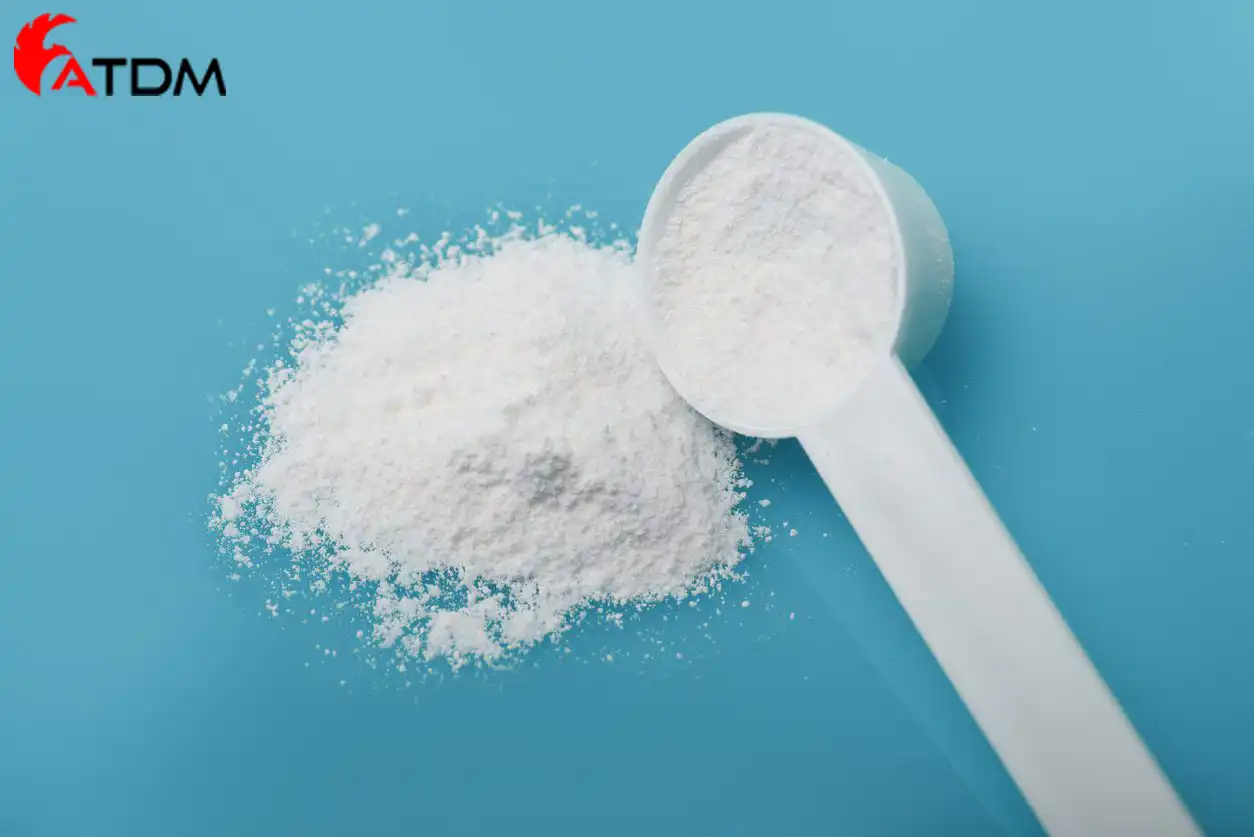
When comparing potassium chloride vs potassium gluconate, the main difference comes down to composition, potassium concentration, common applications, tolerability, and how each compound fits different use cases. Both compounds provide potassium, an essential mineral that supports normal fluid balance, muscle function, nerve signaling, and electrolyte stability. However, they differ significantly in strength, formulation, taste profile, typical usage, and industrial or nutritional roles.
This comparison explores potassium chloride and potassium gluconate, including their key differences, similarities, benefits, applications, potassium content, absorption profile, and supplier considerations. It also highlights why businesses looking for potassium chloride can consider ATDM as a supplier of potassium chloride.
What Is the Main Difference Between Potassium Chloride and Potassium Gluconate?
The biggest difference between potassium chloride vs potassium gluconate is the type of potassium salt each product contains.
Potassium chloride combines potassium with chloride. It usually contains a much higher percentage of elemental potassium by weight. Because of this high potassium concentration, manufacturers often use potassium chloride in food production, agriculture, water treatment, pharmaceuticals, electrolyte products, and industrial applications.
Potassium gluconate combines potassium with gluconic acid. It contains less elemental potassium per gram compared with potassium chloride. Many supplement brands use potassium gluconate in low-dose potassium supplements because it tends to offer a gentler option for some users.
In simple terms, potassium chloride provides more potassium per gram, while potassium gluconate provides potassium in a gluconate-bound form with lower elemental potassium density.
Potassium Chloride vs Potassium Gluconate: Quick Comparison Table
| Feature | Potassium Chloride | Potassium Gluconate |
|---|---|---|
| Main compound | Potassium + chloride | Potassium + gluconate |
| Elemental potassium content | Higher | Lower |
| Common use | Food, supplements, industry, agriculture, water softening, pharmaceuticals | Dietary supplements, wellness products |
| Taste | Salty and sometimes bitter | Mild and less salty |
| Strength per gram | Stronger potassium source | Weaker potassium source by weight |
| Typical formulation | Powder, granules, crystals, tablets, capsules, solutions | Tablets, capsules, powders |
| Industrial relevance | Very high | Limited |
| Food industry role | Salt substitute, mineral additive, potassium fortification | Less common |
| Supplement role | Higher-dose potassium source under professional guidance | Lower-dose potassium supplement |
| Supplier availability | Widely available in bulk | Mostly supplement-grade supply |
KCL Content Comparison
Potassium content matters when comparing potassium chloride vs potassium gluconate. KCL contains a much higher percentage of potassium by weight than potassium gluconate.
Potassium chloride contains about 52% elemental potassium by weight. Potassium gluconate contains about 16% elemental potassium by weight. This means a smaller amount of potassium chloride can deliver the same potassium amount that would require a much larger amount of potassium gluconate.
For example, if a formula needs a concentrated potassium source, potassium chloride usually offers a more efficient option. If a supplement brand wants a lower-potency potassium ingredient, potassium gluconate may fit better.
This difference makes potassium chloride more practical for bulk applications, while potassium gluconate often appears in consumer supplement products where small potassium amounts work better.
Absorption and Bioavailability
Both potassium chloride and potassium gluconate can provide usable potassium. The body separates potassium from the attached compound and uses the potassium ion for normal biological functions.
In the potassium chloride vs potassium gluconate comparison, the absorption difference usually matters less than the dosage, formulation, and individual tolerance. Potassium chloride provides potassium in a highly direct form. Potassium gluconate also supplies potassium, but it provides less potassium per gram.
Many people focus on “which one absorbs better,” but the more practical question is often “which one delivers the right potassium amount for the intended use?” For high-potassium formulations, potassium chloride often works better. For gentle, low-dose supplement formulas, potassium gluconate may suit the product goal.
Taste and Formulation Differences
Taste creates another important difference between potassium chloride and potassium gluconate.
Potassium chloride has a salty taste because manufacturers often use it as a sodium chloride replacement. However, it can also have a bitter or metallic aftertaste at higher levels. Food producers often blend it with flavor enhancers, sodium chloride, or other mineral salts to improve taste.
Potassium gluconate usually has a milder taste. This makes it easier to include in some supplement formats, although it does not work as efficiently as a concentrated potassium source.
For food products, seasoning blends, low-sodium salt alternatives, electrolyte powders, and potassium-enriched foods, potassium chloride often plays a stronger role. For tablets, capsules, and wellness supplements, potassium gluconate often appears because it supports lower-dose formulas.
Common Uses of Potassium Chloride
Potassium chloride has broad commercial value because it offers high potassium content, strong availability, and cost efficiency.
Common uses include:
Potassium chloride works as a salt substitute in low-sodium foods. It helps reduce sodium while keeping a salty profile. Food manufacturers use it in seasoning mixes, processed foods, snacks, sauces, soups, and functional food products.
It also plays a key role in electrolyte formulations. Many hydration products use potassium chloride because it delivers potassium and chloride, two important electrolytes.
In agriculture, potassium chloride serves as a major potassium fertilizer source. Farmers use it to support crop growth, soil potassium levels, and plant nutrition.
In industrial sectors, potassium chloride supports water treatment, oilfield operations, chemical manufacturing, and laboratory applications.
Pharmaceutical producers also use potassium chloride in regulated formulations when a product requires precise potassium delivery.
For bulk buyers, manufacturers, and industrial users, ATDM supplies potassium chloride for different commercial and industrial needs.
Common Uses of Potassium Gluconate
Potassium gluconate mainly appears in nutritional and supplement products. Supplement manufacturers often choose it when they want a low-dose potassium ingredient with a consumer-friendly profile.
Potassium gluconate appears in capsules, tablets, powders, and wellness formulations. It can support products aimed at general electrolyte balance, mineral intake, or potassium supplementation.
Unlike potassium chloride, potassium gluconate rarely serves as a major industrial potassium source. Its lower potassium density and higher material requirement make it less efficient for large-scale industrial or agricultural uses.
Therefore, in the potassium chloride vs potassium gluconate comparison, potassium gluconate fits better in the supplement category, while potassium chloride fits broader food, industrial, agricultural, and pharmaceutical markets.
Strength and Dosage Efficiency
Potassium chloride clearly wins when dosage efficiency matters. Because it contains more elemental potassium, it can deliver more potassium with less material.
This matters for manufacturers. A product developer who uses potassium chloride can achieve a target potassium level with a smaller ingredient amount. This can reduce formula bulk, improve processing efficiency, and lower shipping or storage requirements.
Potassium gluconate requires a larger quantity to match the potassium level of potassium chloride. That can create formulation challenges in tablets, capsules, powders, and blends.
However, lower strength can also become an advantage in some supplement formats. Brands that want small potassium amounts may prefer potassium gluconate because it allows lower-potency servings.
Potassium Chloride vs Potassium Gluconate for Supplements
In dietary supplements, both ingredients can serve a purpose.
Potassium chloride suits formulas that need a concentrated electrolyte source. Many hydration powders, electrolyte tablets, and mineral blends use potassium chloride because it delivers potassium efficiently.
Potassium gluconate suits lower-dose supplement products. It often appears in general wellness supplements because it provides potassium in a mild, familiar form.
The better choice depends on the final product goal. A sports hydration brand may prefer potassium chloride. A supplement brand creating a gentle daily mineral product may choose potassium gluconate.
Consumers should follow product labels and ask a qualified healthcare professional before using potassium supplements, especially when managing medical conditions or taking medication.
Potassium Chloride vs Potassium Gluconate for Food Applications
Food manufacturers often choose potassium chloride over potassium gluconate. Potassium chloride works well as a partial sodium chloride replacement in low-sodium foods. It gives a salty taste and supports potassium enrichment.
Potassium gluconate does not provide the same salt-like flavor. It also requires more material to deliver the same potassium level. This makes it less attractive for many food processing applications.
For low-sodium salt products, savory foods, seasoning blends, and sodium-reduction strategies, potassium chloride usually offers better performance.
Potassium Chloride vs Potassium Gluconate for Industrial Applications
Industrial buyers usually prefer potassium chloride. It provides high potassium concentration, strong supply availability, and broad functional value. Industries use potassium chloride in chemical processing, water softening, oil and gas operations, fertilizers, and technical applications.
Potassium gluconate has limited industrial demand. It costs more per unit of potassium and works better in specialty nutritional products.
For companies comparing potassium chloride vs potassium gluconate for industrial sourcing, potassium chloride usually gives the stronger commercial advantage.
Safety and Handling Comparison
Both potassium chloride and potassium gluconate require responsible handling. Manufacturers, distributors, and end users should follow product specifications, safety data sheets, storage guidelines, and local regulations.
Potassium chloride can deliver a high potassium dose in a small amount, so users must measure it carefully in food, supplement, pharmaceutical, and technical applications.
Potassium gluconate provides less potassium per gram, but users still need proper dosage control and safe formulation practices.
For consumer use, potassium intake should stay within safe limits. People with kidney problems, heart conditions, or those taking certain medications should not use potassium products without professional guidance.
Cost and Availability
Potassium chloride usually offers better cost efficiency. It has wide global availability because agriculture, food, industrial, and pharmaceutical markets use it heavily. Its high potassium content also makes it more economical per unit of potassium.
Potassium gluconate often costs more when compared by actual potassium delivered. It serves a narrower market, mostly in supplements and wellness products.
For large-scale procurement, potassium chloride often provides better value, easier sourcing, and stronger logistics options.
Which One Is Better?
The better choice depends on the application.
Choose potassium chloride when you need high potassium concentration, bulk supply, food-grade salt replacement, industrial use, agricultural use, electrolyte formulation, or cost-efficient potassium sourcing.
Choose potassium gluconate when you need a lower-dose potassium ingredient for supplement formulations or a mild potassium source for consumer wellness products.
In most commercial and industrial cases, potassium chloride offers more versatility. In many supplement-focused cases, potassium gluconate offers a softer, lower-potency option.
ATDM as Supplier of Potassium Chloride
Businesses that need reliable potassium chloride sourcing can consider ATDM as a supplier of potassium chloride. ATDM supports customers looking for potassium chloride for industrial, food, technical, and commercial requirements.
A dependable potassium chloride supplier should provide consistent quality, suitable packaging, clear specifications, export capability, and stable communication. Buyers should also review grade, purity, particle size, packaging type, documentation, and intended application before placing bulk orders.
For companies comparing potassium chloride vs potassium gluconate, ATDM can serve as a practical source for potassium chloride when the project requires a concentrated, widely used potassium compound.
Final Comparison: Potassium Chloride vs Potassium Gluconate
The comparison between potassium chloride vs potassium gluconate shows two potassium compounds with different strengths.
Potassium chloride provides higher potassium content, stronger commercial value, wider industrial use, better cost efficiency, and stronger performance in food and electrolyte applications. It works well for bulk buyers, manufacturers, food producers, agricultural suppliers, and industrial users.
Potassium gluconate provides lower potassium content and mainly fits supplement products. It works best when a formula needs a gentle, low-dose potassium source rather than a concentrated potassium ingredient.
Both compounds deliver potassium, but they serve different markets. Potassium chloride stands out as the more versatile and efficient potassium source. Potassium gluconate stands out as a common supplement ingredient for lower-dose mineral support.
For companies, formulators, and procurement teams, the best choice depends on the target use, required potassium level, cost goal, product format, and regulatory requirements. When the need focuses on bulk potassium chloride, ATDM supplies potassium chloride for customers seeking a dependable commercial source.