
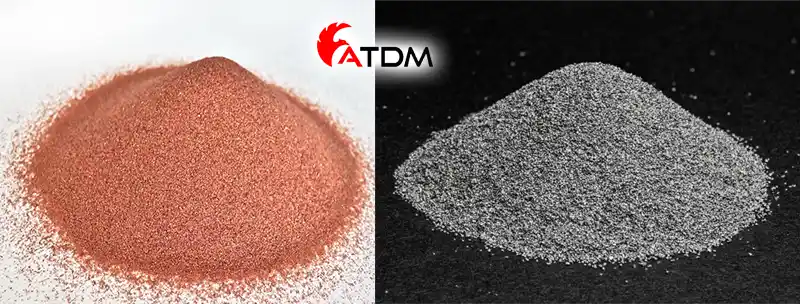
When it comes to abrasive blasting and surface preparation, choosing the right material can make a huge difference in efficiency, cost, and final results. The debate around Garnet Sand vs Aluminum Oxide is one of the most common in industries like construction, manufacturing, shipbuilding, and metal finishing.
Both abrasives are widely used for cleaning, cutting, polishing, and preparing surfaces. However, they differ in hardness, recyclability, environmental impact, and overall performance. Understanding these differences helps businesses and professionals make informed decisions that improve productivity and reduce operational costs.
In this comprehensive guide, we’ll break down everything you need to know about garnet abrasive vs aluminum oxide, including their properties, advantages, disadvantages, and best use cases.
A trusted supplier like ATDM provides high-quality garnet sand that ensures consistent performance and reliable results across industrial applications.
What is Aluminum Oxide?
Aluminum oxide, also known as alumina, is a synthetic abrasive produced from bauxite ore. It is one of the hardest and most durable blasting materials available.
Key Features of Aluminum Oxide Abrasive
- Extremely hard (9 on Mohs scale)
- Highly durable and long-lasting
- Sharp, angular particles
- High cutting efficiency
- Suitable for repeated reuse
This abrasive is commonly used in precision blasting, grinding, polishing, and heavy-duty industrial cleaning.
Applications of Aluminum Oxide
- Aerospace and automotive industries
- Metal finishing and polishing
- Glass etching and engraving
- Heavy rust and paint removal
- Industrial grinding and machining
Garnet Sand vs Aluminum Oxide: Key Differences
To better understand the comparison, let’s examine the main differences between these two abrasives.
1. Hardness and Cutting Power
Aluminum Oxide is harder and offers more aggressive cutting.
Garnet Sand provides efficient cutting but is less aggressive.
If you need heavy-duty material removal, aluminum oxide is the better option.
2. Surface Finish Quality
Garnet Sand produces a smoother and cleaner finish.
Aluminum Oxide creates a rougher surface profile.
Garnet is ideal for surface preparation before painting or coating.
3. Dust and Safety
Garnet Sand generates less dust and is safer for workers.
Aluminum Oxide produces more dust, requiring better ventilation and PPE.
Garnet is more environmentally friendly and safer for enclosed environments.
4. Reusability and Longevity
Aluminum Oxide can be reused more times due to its toughness.
Garnet Sand is recyclable but breaks down faster.
Aluminum oxide is better for long-term reuse.
5. Cost Comparison
Garnet Sand is generally more affordable upfront.
Aluminum Oxide has a higher initial cost but lasts longer.
Cost efficiency depends on usage frequency and recycling capability.
6. Environmental Impact
Garnet Sand is natural and non-toxic.
Aluminum Oxide is synthetic and requires more energy to produce.
Garnet is the greener choice.
Advantages of Garnet Sand
Eco-friendly and non-toxic
Low dust generation
Smooth surface finish
Cost-effective for single-use applications
Safe for workers and environment
Advantages of Aluminum Oxide
Extremely durable and long-lasting
High cutting speed
Suitable for tough materials
Excellent for precision work
Highly reusable
Disadvantages of Garnet Sand
Less aggressive than aluminum oxide
Lower lifespan in recycling
Not ideal for extremely hard surfaces
Disadvantages of Aluminum Oxide
Higher cost
Produces more dust
Requires proper safety measures
Less environmentally friendly
Which is Better: Garnet Sand vs Aluminum Oxide
The answer depends on your specific application.
Choose Garnet Sand if:
- You need a clean and smooth finish
- Environmental safety is a priority
- You are working in enclosed spaces
- You want a cost-effective solution
Choose Aluminum Oxide if:
You require aggressive cutting power
You need long-term reusable abrasives
You are working on hard metals or surfaces
Precision and durability are critical
Industrial Use Case Comparison
| Feature | Garnet Sand | Aluminum Oxide |
|---|---|---|
| Hardness | Medium | Very High |
| Dust Level | Low | High |
| Reusability | Moderate | High |
| Cost | Lower upfront | Higher upfront |
| Finish Quality | Smooth | Rough |
| Eco-Friendliness | High | Moderate |
Performance in Sandblasting (Garnet Sand vs Aluminum Oxide)
In sandblasting operations, both abrasives perform well but serve different purposes.
Garnet blasting media is preferred for surface cleaning, coating removal, and preparation.
- Aluminum oxide blasting media is ideal for heavy-duty rust removal and industrial cleaning.
Professionals often choose based on the required surface profile and project scale.
Why Choose ATDM for Garnet Sand?
When sourcing high-quality garnet abrasive, reliability matters. ATDM stands out as a trusted supplier offering:
Premium-grade garnet sand
Consistent particle size distribution
Competitive pricing
Reliable global supply
Industry-standard quality assurance
Using quality materials from ATDM ensures better performance, reduced waste, and improved project efficiency.
FAQs About Garnet Sand vs Aluminum Oxide
1. Is garnet sand safer than aluminum oxide?
Yes, garnet sand produces less dust and is considered safer for both workers and the environment.
2. Can aluminum oxide be reused more than garnet?
Yes, aluminum oxide is more durable and can be recycled multiple times compared to garnet.
3. Which abrasive gives a smoother finish?
Garnet sand provides a smoother and cleaner surface finish.
4. Is garnet sand eco-friendly?
Yes, garnet is a natural mineral and is environmentally friendly.
5. Which is more cost-effective?
Garnet is cheaper upfront, while aluminum oxide may be more cost-effective over time due to reusability.
6. Can both be used for waterjet cutting?
Garnet sand is commonly used for waterjet cutting, while aluminum oxide is rarely used for this purpose.
Conclusion of Garnet Sand vs Aluminum Oxide
The comparison of Garnet Sand vs Aluminum Oxide ultimately comes down to your project requirements. Garnet offers a cleaner, safer, and more environmentally friendly solution, while aluminum oxide provides unmatched durability and cutting power.
If you prioritize safety, surface quality, and cost-effectiveness, garnet sand is the ideal choice especially when sourced from reliable suppliers like ATDM. On the other hand, if your work demands aggressive material removal and long-term reuse, aluminum oxide is the better option.
By understanding the strengths and limitations of each abrasive, you can select the right material that maximizes efficiency, reduces costs, and delivers superior results.