
When it comes to thermal insulation in modern construction, extruded polystyrene foam boards (commonly known as XPS) stand out as one of the most efficient, durable, and versatile solutions. Their closed-cell structure, moisture resistance, and high compressive strength make them ideal for a wide range of applications, from roofing systems to wall insulation and below-grade installations. Whether you’re a contractor, builder, architect, or property developer, understanding the benefits and applications of XPS foam boards is crucial for energy-efficient and cost-effective construction.
In this comprehensive guide, we explore the features, benefits, applications, and technical aspects of extruded polystyrene foam boards and why they are an industry-preferred insulation material.
What Are Extruded Polystyrene Foam Boards?
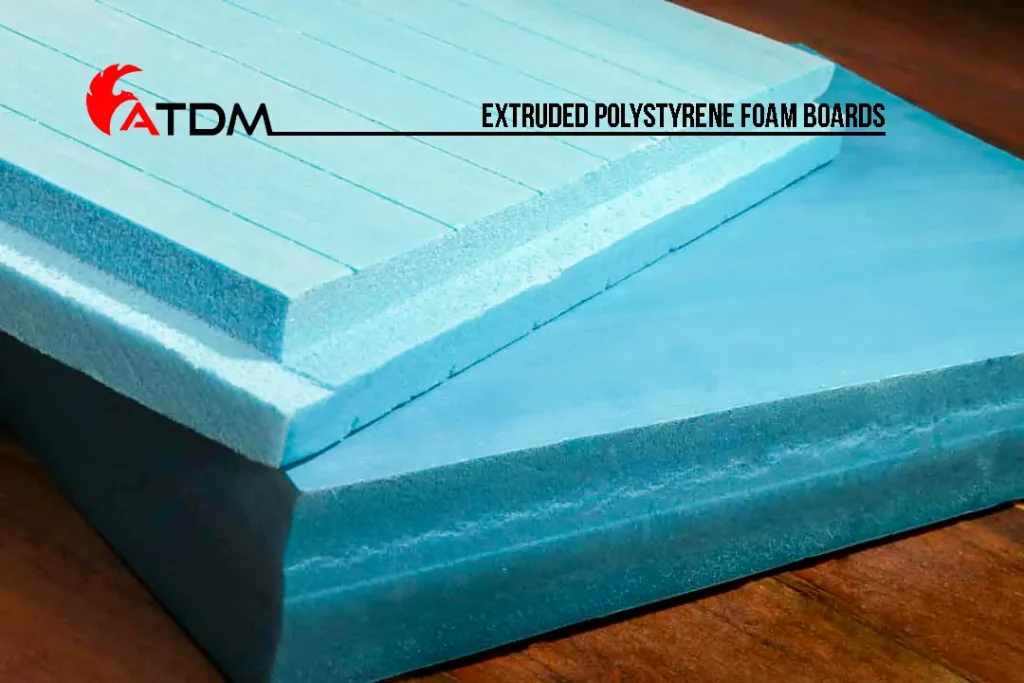
They are rigid insulation panels made through an extrusion process that melts polystyrene crystals and then forces them through a die. This results in a closed-cell structure that offers outstanding thermal performance, moisture resistance, and structural integrity.
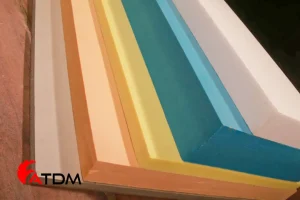
The boards are typically manufactured in various thicknesses and densities and often come in distinctive colors like blue, pink, or green to indicate brand or thermal performance standards.
Key Features of Extruded Polystyrene Foam Boards
The unique manufacturing process of extruded polystyrene foam boards gives them several advantages over other insulation types such as expanded polystyrene (EPS) or polyurethane foam.
Closed-Cell Structure: Prevents air and water from passing through, enhancing insulation performance.
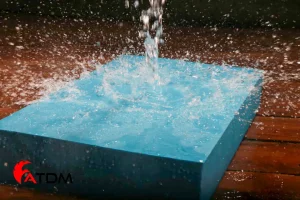
Moisture Resistance: XPS does not absorb water, making it ideal for below-grade or wet-area applications.
High Compressive Strength: Can withstand heavy loads, making it suitable for under-slab or roof deck use.
Long-Term Durability: Resistant to rot, mold, and degradation, ensuring performance for decades.
Lightweight and Easy to Handle: Simplifies installation without the need for specialized tools.
Benefits of Using Extruded Polystyrene Foam Boards
1. Energy Efficiency
To begin with, builders often choose extruded polystyrene foam boards because they offer excellent thermal insulation value, usually ranging from R-5 to R-6 per inch. As a result, this level of insulation significantly reduces heat transfer within the structure. Consequently, it helps lower overall energy consumption for heating and cooling. Moreover, this insulation contributes to maintaining a stable and comfortable indoor climate throughout the year.
2. Waterproof Performance
XPS foam boards are inherently water-resistant due to their closed-cell structure. This makes them a top choice for foundations, basements, and roofing systems where moisture is a concern.
3. Load-Bearing Capability
Thanks to their high compressive strength (typically 250–700 kPa), extruded polystyrene foam boards can handle significant loads without deformation, making them suitable for use under concrete slabs and roadways.
4. Cost-Effective and Long-Lasting
Although slightly more expensive than EPS, the superior performance and durability of XPS make it more cost-effective in the long term. Its thermal resistance and structural strength remain stable over time, providing decades of reliable service.
5. Environmentally Friendly Options
Modern manufacturing processes have led to the development of eco-friendly XPS products with zero ozone depletion potential (ODP) and low global warming potential (GWP), aligning with sustainable building standards like LEED and BREEAM.
Common Applications of Extruded Polystyrene Foam Boards
Extruded polystyrene foam boards are widely used in various sectors of the construction industry, including:
• Roof Insulation
Ideal for both flat and pitched roofs, XPS boards offer thermal insulation and act as a protective barrier against moisture and temperature fluctuations.
• Wall Insulation
Used in cavity walls, external wall insulation systems (EWIS), and interior insulation, extruded polystyrene helps minimize thermal bridging and enhances building energy performance.
• Foundation and Basement Insulation
XPS boards provide excellent insulation and moisture protection in below-grade applications, including under concrete slabs, basements, and retaining walls.
• Cold Storage and Refrigerated Buildings
Because of their low thermal conductivity, extruded polystyrene foam boards are perfect for use in cold rooms, refrigerated trucks, and food storage facilities.
• Floor Insulation
When installed under floor screeds or slabs, XPS improves indoor comfort and reduces energy bills by preventing heat loss through the floor.
Technical Specifications
While specifications can vary by manufacturer, here are the general properties of standard extruded polystyrene foam boards:
| Property | Value Range |
|---|---|
| Thermal Conductivity | 0.029 – 0.035 W/m·K |
| Compressive Strength | 250 – 700 kPa |
| Water Absorption (by volume) | < 0.7% |
| Density | 30 – 45 kg/m³ |
| Service Temperature Range | -50°C to +75°C |
| Flame Resistance | Flame-retardant grades available |
Installation Tips for Extruded Polystyrene Foam Boards
Surface Preparation: Ensure the surface is dry and clean before installation.
Adhesive Selection: Use compatible adhesives or mechanical fasteners to secure the boards.
Sealing Joints: Use foam-compatible tape or sealant to eliminate air gaps between boards.
Protective Layers: In below-grade installations, protect XPS with a waterproofing membrane or drainage board.
Cutting: XPS boards can be easily cut using a handsaw or utility knife.
XPS vs EPS: What’s the Difference?
While both XPS (extruded polystyrene) and EPS (expanded polystyrene) are popular insulation materials, they differ significantly in terms of performance and application:
| Feature | XPS | EPS |
|---|---|---|
| Manufacturing | Extrusion | Molding with steam |
| Structure | Closed-cell | Open-cell |
| Thermal Efficiency | Higher R-value | Lower R-value |
| Water Absorption | Very low | Higher |
| Compressive Strength | High | Moderate |
| Cost | Higher | Lower |
Environmental and Safety Considerations
Extruded polystyrene foam boards are generally safe to use and handle. However, like many building materials, precautions should be taken:
Use personal protective equipment (PPE) such as gloves and goggles when cutting or sanding.
Avoid prolonged exposure to UV light, which can degrade the surface.
Ensure proper ventilation when using adhesives or applying flame-retardant coatings.
Manufacturers are increasingly shifting towards eco-friendly XPS, using CO₂ or other non-HFC blowing agents that significantly reduce environmental impact.
Why Choose Extruded Polystyrene Foam Boards?
Choosing the right insulation material is critical for the long-term performance of any building. With its unmatched combination of thermal resistance, moisture protection, compressive strength, and durability, extruded polystyrene foam boards deliver outstanding performance in all climates and building types.
Whether you’re insulating a high-rise commercial building, a cold storage facility, or a residential basement, XPS insulation provides the reliability and efficiency needed for modern construction demands.
Final Thoughts
In the world of construction, efficiency and performance are non-negotiable. Extruded polystyrene foam boards offer a reliable, proven, and advanced solution for insulation across a broad spectrum of applications. As more industries push for greener, smarter, and more energy-efficient structures, XPS continues to rise as a preferred choice among insulation materials.
Investing in high-quality extruded polystyrene foam boards ensures not just compliance with modern building codes, but also long-term savings, better indoor comfort, and a reduced environmental footprint.