
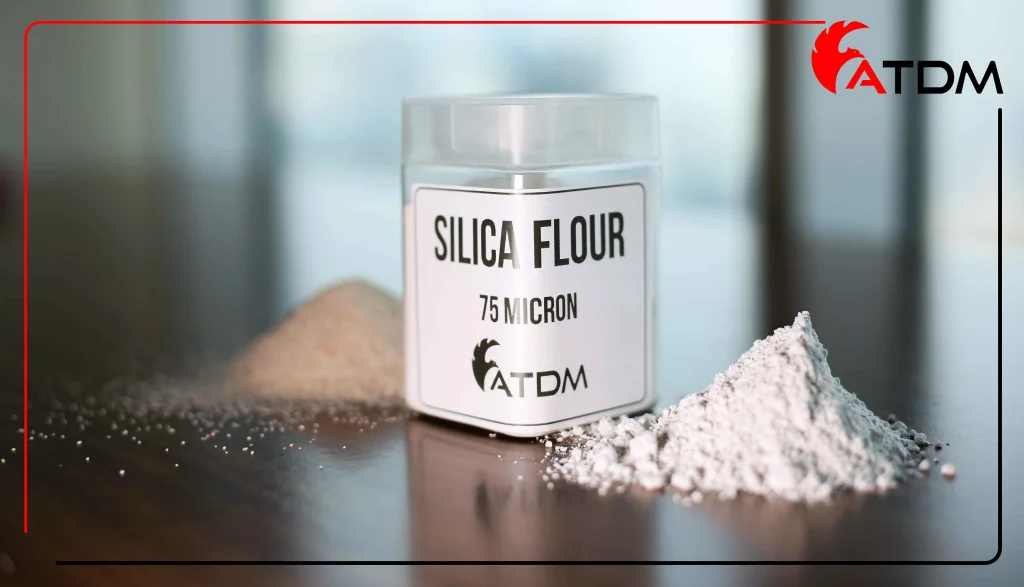
Micro Silica, also known as Silica Flour , is an ultra-fine, non-crystalline silica byproduct generated during the production of silicon or ferrosilicon alloys. Composed primarily of amorphous silicon dioxide (SiO₂), it is characterized by spherical particles less than 1 micron in diameter—approximately 100 times smaller than average cement particles. As a leading micro silica supplier, we offer premium-grade products that meet the demanding needs of construction, refractory, and oil well industries.
Alternate Names for Micro Silica
Condensed Silica Fume
Silica Flour
Amorphous Silica
Ultrafine Silicon Dioxide
Why Choose Us as Your Trusted Micro Silica Supplier?
We specialize in sourcing and supplying high-quality micro silica from reliable production plants. With our base in Dubai and distribution channels in the Middle East, Africa, and Asia, we offer consistent supply, competitive pricing, and customizable packaging solutions. Our technical team ensures each batch meets ASTM C1240, EN 13263, and ISO standards.
Chemical Composition and Technical Specifications
| Component | Typical Value (%) |
|---|---|
| Silicon Dioxide (SiO₂) | 85 – 98% |
| Moisture Content | < 3% |
| Bulk Density | 300 – 700 kg/m³ |
| Particle Size | < 1 µm |
| Specific Surface Area | 15,000 – 30,000 m²/kg |
| pH | 6 – 7.5 |
| Loss on Ignition | < 6% |
| Alkalinity (Na₂O + K₂O) | < 1.5% |
Grades of Micro Silica Available
As a versatile micro silica supplier, we offer various grades depending on industry requirements:
Construction Grade Micro Silica (92–96% SiO₂):
Widely used in concrete, mortars, and cementitious mixtures to improve compressive strength and reduce permeability.Refractory Grade Micro Silica (96–98% SiO₂):
Ideal for high-temperature applications like refractory bricks, castables, and monolithics.Oil Well Cementing Grade (85–95% SiO₂):
Enhances the performance of cement used in oil well grouting, especially under high temperature and pressure.
Applications of Micro Silica
1. High-Performance Concrete (HPC)
Micro silica significantly improves concrete strength, density, and resistance to chemical attacks. It’s widely used in:
Bridges and marine structures
High-rise buildings
Airport runways and parking decks
Dams and tunnels
Precast concrete elements
2. Refractory Industry
Micro silica enhances thermal shock resistance and mechanical strength in refractory linings and castables. Common uses include:
Furnace linings
Tundish & ladle linings in steel production
Kiln repairs
Foundry molds
3. Oil Well Cementing
Micro silica is used to reduce cement permeability and prevent gas migration in wellbore constructions. It enhances:
Resistance to high temperature and pressure
Bond strength to casing and formation
Sulfate and chemical attack resistance
4. Shotcrete & Tunnel Lining
It improves adhesion, reduces rebound, and enhances strength—making it ideal for underground and overhead applications.
5. Asphalt Modification
Micro silica improves asphalt’s resistance to rutting and thermal cracking when used in road surfacing.
Benefits of Using Micro Silica
Increased Compressive Strength
Improved Durability
Reduced Permeability
High Resistance to Sulfates and Chlorides
Superior Finish and Reduced Cracks
Excellent Chemical Resistance
Lower Rebound Loss in Shotcrete
Packaging and Delivery
As an established micro silica supplier, we provide flexible and safe packaging options:
10 kg & 20 kg paper bags (with or without pallets)
500 kg – 1000 kg jumbo bags (with moisture-resistant liners)
Customized packaging available on request
Delivery Terms:
FOB, CIF, CFR available from Jebel Ali Port, Dubai
Export documentation, COA, MSDS, and TDS available upon request
Minimum Order Quantity: 24 MT (1 Full Container Load)
Micro Silica HS Code and Compliance
HS Code: 28112200
CAS Number: 69012-64-2
Standards: ASTM C1240, EN 13263, ISO 9001:2015
Origin: UAE
Detailed Industry Use Cases for Micro Silica
1. Mega Infrastructure Projects
Micro silica is a key component in mega infrastructure and civil engineering projects where durability and service life are critical. Its ultra-fine particles fill capillaries in concrete, making the structure denser and less permeable. This is essential in:
Bridges over saltwater: where chloride resistance is vital
Dams and reservoirs: where water seepage must be minimized
Tunnels and subways: where chemical resistance and long-term integrity are essential
Example:
A recent project in the UAE used our high-purity micro silica in a bridge project spanning a coastal channel. After 180 days, the concrete achieved over 85 MPa compressive strength, surpassing initial design targets.
2. Precast and Prestressed Concrete
Micro silica is widely used in precast beams, columns, walls, pipes, and prestressed concrete segments. Its rapid strength gain allows early demolding, reducing production cycles and improving plant efficiency.
Benefits in this application include:
High early strength
Enhanced surface finish
Dimensional stability
Resistance to shrinkage cracks
3. Marine and Coastal Construction
In aggressive marine environments, micro silica protects concrete from chloride-induced corrosion. It acts as a barrier to salt penetration, prolonging the lifespan of marine structures such as:
Port pavements
Offshore platforms
Seawalls
Underwater pipelines
Micro silica in marine-grade concrete reduces chloride diffusion coefficients by over 50%, improving corrosion resistance.
4. Shotcrete for Tunneling and Mining
The addition of micro silica in shotcrete improves adhesion, cohesion, and rebound rate. It allows for thicker, more stable application on vertical and overhead surfaces, making it ideal for:
Tunnel linings
Underground mining reinforcement
Metro station walls
Hydropower plant structures
Micro Silica Dosage Guidelines
Depending on the application, the recommended dosage of micro silica varies between 5% to 15% of the total cementitious materials.
| Application | Dosage Range |
|---|---|
| High-strength concrete | 7% – 15% |
| Shotcrete | 5% – 10% |
| Refractory castables | 4% – 8% |
| Oil well cementing | 6% – 10% |
| Precast concrete | 8% – 12% |
Micro Silica in Sustainable Construction
Micro silica not only improves performance but also contributes to sustainable and green building practices:
Reduces Cement Usage: Its pozzolanic activity enables partial cement replacement.
Low Carbon Footprint: As an industrial by-product, it promotes circular economy.
Increased Service Life: Lower maintenance and repair frequency due to enhanced durability.
Using micro silica in your projects can contribute toward LEED certification and other green building standards.
Safety, Handling & Storage Recommendations
While micro silica is non-toxic and non-hazardous, proper handling is recommended:
Use PPE such as dust masks, gloves, and goggles
Store in dry, shaded, and covered areas
Avoid moisture exposure to prevent caking
Use pneumatic systems for bulk handling
Safety documents such as MSDS and handling guides are available with each shipment
Micro Silica MSDS – Material Safety Data Sheet | Silica Fume Safety
Download the full Material Safety Data Sheet (MSDS) for Micro Silica (Silica Fume). Includes safety, handling, PPE, storage, transport, and first aid guidelines.
Micro Silica Technical Data Sheet (TDS) | Micro Silica Specifications
Download the Technical Data Sheet (TDS) for Micro Silica. Includes chemical composition, physical properties, applications, and packaging details.
Yes. Due to its fine particles and high surface area, it helps reduce bleeding and segregation.
Yes, it is highly pozzolanic and reacts with calcium hydroxide to form calcium silicate hydrate (C-S-H), improving strength and durability.
Store in a dry, covered, and ventilated area to prevent moisture absorption and caking.