
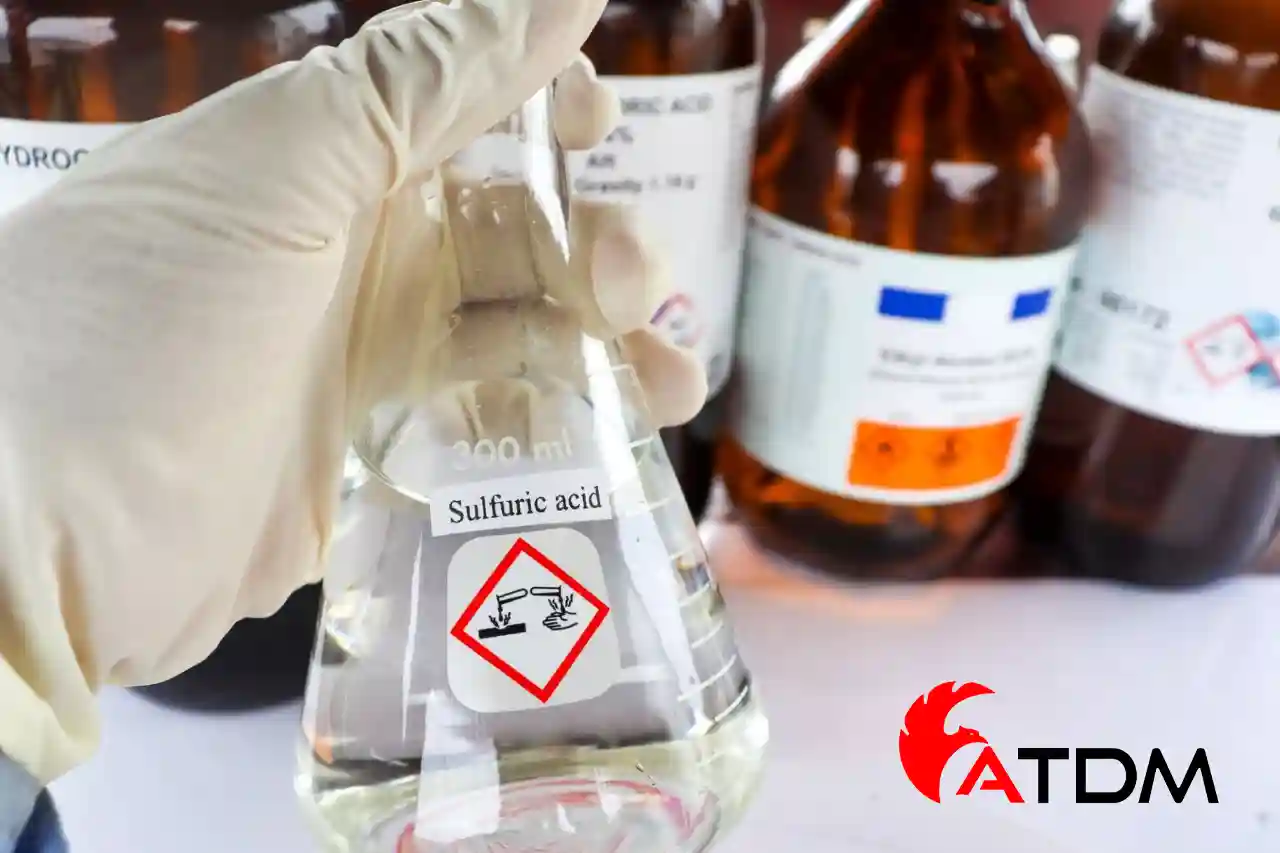
The sulphuric acid production process plays a central role in modern industrial manufacturing. Chemical plants across the world rely on advanced sulphuric acid manufacturing systems to achieve high conversion efficiency, reduced emissions, and stable product quality. Today, industries continue to improve sulfuric acid plant operations because global demand keeps growing in fertilizer production, petroleum refining, metal processing, chemical synthesis, and wastewater treatment.
Modern sulphuric acid production technology focuses on maximizing sulfur dioxide conversion while reducing operational costs. As a result, manufacturers invest heavily in advanced contact process systems, heat recovery units, gas cleaning systems, and emission control technologies.
Industrial Importance of the Sulphuric Acid Production Process
Industrial sectors depend on sulphuric acid manufacturing because the product supports thousands of downstream chemical reactions. Furthermore, manufacturers require continuous and efficient acid production to maintain industrial productivity.
Large scale sulfuric acid plants now operate with automated monitoring systems, digital process control, and high efficiency catalysts. Consequently, production facilities achieve better sulfur conversion rates and lower environmental impact.
In addition, global industries continue to expand sulfuric acid applications in:
- Fertilizer manufacturing
- Phosphate processing
- Mineral extraction
- Chemical production
- Oil refining
- Battery manufacturing
- Water treatment systems
- Metal pickling operations
Because industrial demand remains strong, the sulphuric acid production process continues evolving with more energy efficient technologies.
Raw Materials Used in Sulphuric Acid Manufacturing
Manufacturers select raw materials carefully because feedstock quality directly affects production efficiency and plant stability.
Sulfur Burning Operations
Most modern sulfuric acid production plants use elemental sulfur as the primary raw material. Operators melt sulfur before feeding it into sulfur burners. Then, combustion systems generate sulfur dioxide gas under controlled temperature conditions.
This method improves operational consistency and reduces contamination levels. Moreover, sulfur burning systems support high purity acid production.
Pyrite and Smelter Gas Applications
Some facilities also use pyrite ore or metallurgical smelter gases. Although these methods remain effective, operators must install additional gas purification systems to remove impurities.
Smelter gas recovery also supports sustainable manufacturing because industries reuse sulfur containing gases instead of releasing them into the atmosphere.
Main Stages in the Sulphuric Acid Production Process
The modern contact process includes several carefully controlled stages. Each stage improves conversion efficiency and supports stable acid production.
Sulfur Combustion Stage
First, operators burn sulfur in dry air to produce sulfur dioxide.
Reaction:
S + O₂ → SO₂
During this stage, temperature control remains critical because stable combustion ensures consistent gas composition.
Gas Purification and Drying
Next, plants remove dust particles, moisture, and contaminants from sulfur dioxide gas streams. Drying towers eliminate water vapor because moisture can damage catalysts and reduce process efficiency.
Additionally, clean gas streams improve catalytic oxidation performance.
Catalytic Oxidation in the Converter
After purification, sulfur dioxide enters catalytic converters containing vanadium pentoxide catalyst.
Reaction:
2SO₂ + O₂ ⇌ 2SO₃
Manufacturers maintain optimal temperature ranges to maximize sulfur trioxide conversion. Furthermore, advanced converter designs improve gas flow distribution and catalyst utilization.
Sulfur Trioxide Absorption
Finally, sulfur trioxide reacts with concentrated sulfuric acid inside absorption towers. This step forms oleum, which operators dilute carefully to produce commercial sulfuric acid concentrations.
Efficient absorption systems reduce sulfur emissions significantly while increasing acid yield.
Contact Process in Modern Sulphuric Acid Plants
The contact process remains the dominant sulfuric acid manufacturing method worldwide because it delivers excellent conversion efficiency and large scale production capability.
Modern plants use automated instrumentation to monitor:
- Gas temperatures
- Pressure conditions
- SO₂ concentration
- Catalyst performance
- Acid concentration
- Heat recovery efficiency
As a result, operators maintain stable production with lower operational risks.
Double Contact Double Absorption Technology
Many modern facilities now implement Double Contact Double Absorption (DCDA) systems. This advanced technology increases sulfur dioxide conversion efficiency above 99%.
Moreover, DCDA technology reduces sulfur emissions dramatically. Therefore, environmental agencies strongly support this system for industrial compliance.
Catalyst Performance and Conversion Efficiency
Catalysts play a major role in the sulphuric acid production process. High performance vanadium catalysts improve oxidation rates while reducing energy consumption.
Additionally, optimized catalyst beds support:
- Better heat management
- Higher SO₃ conversion
- Lower operational downtime
- Longer catalyst lifespan
Equipment Used in Sulphuric Acid Production Plants
Industrial sulfuric acid plants require specialized equipment designed for corrosive operating conditions.
Sulfur Furnace
Sulfur furnaces generate sulfur dioxide gas through controlled sulfur combustion. Operators maintain steady airflow to achieve complete combustion efficiency.
Waste Heat Boiler
Waste heat boilers recover thermal energy generated during sulfur burning and catalytic oxidation. Consequently, plants produce steam for power generation and process heating.
This energy recovery system improves overall plant efficiency significantly.
Drying Tower and Absorption Tower
Drying towers remove moisture from incoming gases, while absorption towers capture sulfur trioxide effectively.
Proper tower design improves mass transfer efficiency and minimizes acid mist formation.
Heat Exchangers and Converters
Heat exchangers regulate process temperatures throughout the production cycle. Meanwhile, catalytic converters maximize sulfur dioxide oxidation performance.
Together, these systems support stable and continuous sulfuric acid manufacturing.
Environmental and Emission Control Systems
Environmental protection remains a major priority in modern sulfuric acid production facilities.
SO2 Emission Reduction
Manufacturers now install advanced scrubbers, mist eliminators, and gas cleaning systems to reduce sulfur dioxide emissions.
Additionally, continuous emission monitoring systems help plants maintain environmental compliance.
Energy Recovery Systems
Modern sulfuric acid plants recover process heat efficiently. Therefore, facilities reduce fuel consumption and operational costs.
Many plants also generate electricity using recovered thermal energy, which further improves sustainability.
Process Optimization and Plant Efficiency
Plant operators continuously optimize the sulphuric acid production process to improve productivity and profitability.
Optimization strategies include:
- Advanced automation systems
- Real time monitoring
- Predictive maintenance
- Improved catalyst management
- Energy integration systems
- Digital process analytics
Because efficiency improvements reduce production costs, manufacturers continue investing in smart plant technologies.
Industrial Applications Driving Global Demand
Global demand for sulfuric acid continues growing because multiple industries rely on stable acid supply chains.
Key application sectors include:
| Industry | Application |
|---|---|
| Fertilizer | Phosphate fertilizer production |
| Mining | Metal leaching and extraction |
| Petroleum | Alkylation and refining |
| Chemicals | Industrial synthesis |
| Automotive | Lead acid batteries |
| Water Treatment | pH adjustment and purification |
Consequently, sulfuric acid manufacturers continue expanding production capacity worldwide.
Safety Measures in Sulphuric Acid Manufacturing
Safety management remains essential in every sulfuric acid plant. Operators implement strict procedures to prevent corrosion damage, gas leaks, and thermal hazards.
Important safety measures include:
- Corrosion resistant equipment
- Emergency shutdown systems
- Continuous gas monitoring
- Personal protective equipment
- Automated pressure control
- Acid handling protocols
Furthermore, regular inspections help maintain long term operational reliability.
ATDM as a Reliable Supplier of Sulphuric Acid
Industries seeking high quality sulfuric acid require dependable suppliers with consistent product standards and reliable logistics support. ATDM stands out as a trusted supplier of sulphuric acid for industrial applications across multiple sectors.
ATDM supports customers with:
- Consistent product quality
- Industrial grade sulfuric acid supply
- Bulk delivery capabilities
- Reliable customer support
- Competitive industrial sourcing solutions
As industries continue expanding globally, dependable suppliers like ATDM help businesses maintain uninterrupted production operations.
For more industrial chemical insights, visit American Chemical Society
FAQ Sulphuric Acid Production Process
Which process dominates modern sulfuric acid manufacturing?
The contact process dominates modern sulfuric acid manufacturing because it delivers high conversion efficiency and low emissions.
Why do sulfuric acid plants use vanadium pentoxide catalyst?
Manufacturers use vanadium pentoxide because it improves sulfur dioxide oxidation efficiency and supports stable production conditions.
What is DCDA technology in sulfuric acid production?
Double Contact Double Absorption technology increases sulfur conversion efficiency while reducing sulfur dioxide emissions significantly.
Why is gas drying important in the sulphuric acid production process?
Gas drying removes moisture that could damage catalysts and reduce oxidation efficiency.
How do sulfuric acid plants improve energy efficiency?
Plants recover process heat using waste heat boilers and steam generation systems.
Which industries consume the most sulfuric acid?
Fertilizer manufacturing, mining, petroleum refining, and chemical processing industries consume the highest sulfuric acid volumes.
Conclusion: Sulphuric Acid Production Process
The modern sulphuric acid production process combines advanced engineering, catalytic technology, emission control systems, and energy recovery solutions to achieve high efficiency industrial manufacturing. As global industrial demand increases, sulfuric acid plants continue improving conversion performance, operational safety, and environmental sustainability.
Additionally, modern contact process technology allows manufacturers to achieve outstanding sulfur dioxide conversion rates while minimizing emissions. Because industries require stable and reliable acid supply chains, trusted suppliers such as ATDM continue playing an important role in supporting industrial growth worldwide.