
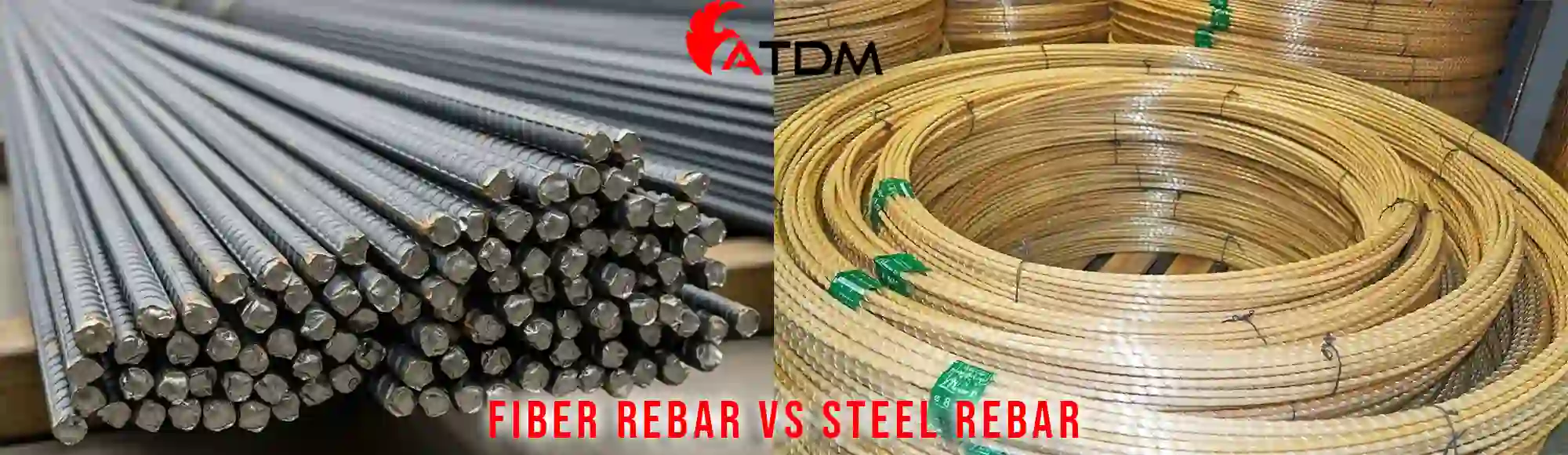
When it comes to modern construction, the debate around fiber rebar vs steel rebar continues to gain attention. Builders, engineers, and contractors constantly seek materials that improve durability, reduce maintenance, and deliver long-term value. While both options reinforce concrete effectively, they differ significantly in performance, cost, and application.
This guide dives deep into the critical differences, helping you decide which option works best for your project.
Key Differences Between Fiber Rebar vs Steel Rebar
Material Composition and Structure
Fiber rebar, often made from glass, carbon, or basalt fibers, uses a polymer resin to bind materials into a lightweight yet strong structure. Steel rebar, on the other hand, consists of solid metal bars designed to provide tensile strength to concrete.
This fundamental difference drives performance. Fiber rebar does not conduct electricity and resists chemical reactions, while steel rebar offers high rigidity and familiarity in construction practices.
Strength and Load Capacity
Steel rebar delivers exceptional tensile strength and handles heavy structural loads effectively. Engineers trust it for high-rise buildings, bridges, and heavy infrastructure.
Fiber rebar, although lighter, provides comparable tensile strength in many cases. However, it behaves differently under stress. Instead of bending like steel, fiber rebar tends to remain elastic until failure. This property can benefit certain applications but may limit its use in heavily loaded structures.
Durability and Longevity
Corrosion Resistance
One of the biggest advantages in the fiber rebar vs steel rebar comparison is corrosion resistance. Fiber rebar does not rust, making it ideal for marine environments, bridges, and roads exposed to salt.
Steel rebar, however, corrodes over time when exposed to moisture and chemicals. This corrosion can lead to cracks, structural damage, and expensive repairs.
Environmental Impact
Fiber rebar reduces environmental damage by extending the lifespan of concrete structures. Since it does not corrode, it minimizes the need for repairs and replacements.
Steel production consumes more energy and generates higher emissions. However, steel remains recyclable, which helps offset some environmental concerns.
Cost Comparison Fiber Rebar vs Steel Rebar
Initial Cost vs Long-Term Value
Steel rebar typically costs less upfront, making it attractive for budget-sensitive projects. However, long-term costs often tell a different story.
Fiber rebar may come with a higher initial price, but its resistance to corrosion reduces maintenance and repair costs. Over time, this can lead to significant savings.
Maintenance Expenses
Structures reinforced with steel require regular inspections and maintenance to prevent corrosion damage. This ongoing expense adds up over decades.
Fiber rebar eliminates most maintenance concerns related to rust, making it a cost-effective option in the long run.
Installation and Handling
Weight and Transportation
Fiber rebar weighs significantly less than steel. This lightweight nature simplifies transportation and reduces labor costs.
Steel rebar, being heavier, requires more manpower and equipment to move and install.
Ease of Cutting and Placement
Workers can cut fiber rebar using standard tools without sparks or heavy machinery. This improves safety and efficiency on-site.
Steel rebar requires specialized tools and often generates sparks during cutting, increasing safety risks.
Performance in Extreme Conditions
Temperature Resistance
Steel performs well under high temperatures and maintains structural integrity during fires. This makes it suitable for buildings requiring fire resistance.
Fiber rebar, depending on the type, may lose strength at very high temperatures. However, it performs well in cold environments where steel may become brittle.
Chemical Exposure
Fiber rebar excels in chemically aggressive environments such as wastewater plants and coastal areas. It resists acids, salts, and other corrosive substances.
Steel rebar requires protective coatings or treatments to withstand such conditions.
Applications in Construction
Best Uses for Fiber Rebar
Fiber rebar works best in environments where corrosion is a concern. Common applications include:
- Marine structures
- Bridge decks
- Parking garages
- Water treatment plants
- Roadways exposed to deicing salts
Suppliers like ATDM provide high-quality reinforcement solutions that meet modern construction needs.
Best Uses for Steel Rebar
Steel rebar remains the preferred choice for:
- High-rise buildings
- Heavy-load foundations
- Structural beams and columns
- Industrial construction projects
Its proven track record makes it a reliable option for traditional construction.
Sustainability and Environmental Benefits
Fiber rebar supports sustainable construction by reducing material waste and extending structure lifespan. Fewer repairs mean less resource consumption over time.
Steel rebar, while recyclable, still requires energy-intensive production processes. Builders must weigh sustainability goals when choosing between the two.
Safety Considerations
Fiber rebar offers enhanced safety during handling. It does not conduct electricity, making it ideal for projects near power lines or sensitive equipment.
Steel rebar conducts electricity and can pose risks in certain environments. Additionally, its weight increases the likelihood of workplace injuries during installation.
Future Trends in Reinforcement Materials
The construction industry continues to evolve, with fiber rebar gaining popularity due to its durability and low maintenance. Innovations in composite materials are improving performance and reducing costs.
Steel rebar still dominates the market, but increasing demand for sustainable and corrosion-resistant materials may shift preferences in the coming years.
Fiber Rebar vs Steel Rebar: Which One Should You Choose?
Choosing between fiber rebar vs steel rebar depends on your project requirements. If your structure faces harsh environmental conditions, fiber rebar offers unmatched durability.
If your project demands high load-bearing capacity and fire resistance, steel rebar remains a strong choice.
In many cases, a hybrid approach may provide the best results, combining the strengths of both materials.
FAQs Fiber Rebar vs Steel Rebar
1. Is fiber rebar stronger than steel rebar?
Fiber rebar can match steel in tensile strength but behaves differently under stress. Steel offers better performance under heavy loads.
2. Does fiber rebar rust?
No, fiber rebar does not rust, making it ideal for corrosive environments.
3. Why is steel rebar still widely used?
Steel rebar remains popular due to its strength, affordability, and long history in construction.
4. Is fiber rebar more expensive?
Yes, initially. However, it often reduces long-term maintenance costs.
5. Can fiber rebar replace steel completely?
Not entirely. Each material serves different purposes, and selection depends on project needs.
6. Which is better for marine environments?
Fiber rebar performs better due to its corrosion resistance.
Conclusion
The comparison of fiber rebar vs steel rebar highlights a clear trade-off between tradition and innovation. Steel offers proven strength and reliability, while fiber rebar delivers durability and resistance to environmental damage.
As construction demands evolve, the choice between these materials will depend on performance requirements, budget, and long-term goals. Understanding their differences ensures smarter decisions and stronger structures.