
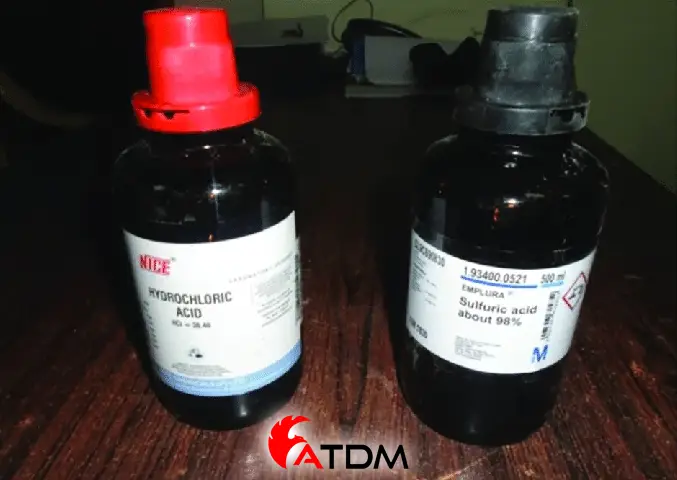
The comparison of Sulphuric Acid vs Hydrochloric Acid plays a critical role in industrial chemistry, manufacturing, and laboratory applications. Both acids rank among the most widely used chemicals worldwide, yet they differ significantly in measurable data such as density, strength, reactivity, and industrial output.
This article focuses strictly on data comparison, not general explanations, ensuring a clear, structured, and factual breakdown. If you work in chemical sourcing or industrial production, understanding these differences helps optimize efficiency and safety.
Why Comparing Sulphuric Acid vs Hydrochloric Acid Acids Matters in Industry
Industries rely on precise chemical selection. Even small differences in acid strength or reactivity can impact:
- Production efficiency
- Equipment lifespan
- Safety compliance
- Cost management
That’s why companies like ATDM, a trusted supplier, emphasize accurate data when sourcing chemicals.
Scope of This Data-Driven Comparison
This guide compares measurable factors such as:
- Physical and chemical properties
- Industrial usage volumes
- Safety and environmental metrics
- Cost and logistics
Chemical Identity and Composition of Sulphuric Acid vs Hydrochloric Acid
Molecular Formula Comparison
| Property | Sulphuric Acid | Hydrochloric Acid |
|---|---|---|
| Chemical Formula | H₂SO₄ | HCl |
| Molecular Weight | 98.079 g/mol | 36.46 g/mol |
Atomic Structure Differences
- Sulphuric acid contains two hydrogen atoms, one sulfur atom, and four oxygen atoms.
- Hydrochloric acid contains one hydrogen atom and one chlorine atom.
This structural difference directly affects their reactivity and dissociation behavior.
Physical Properties Comparison
Appearance and State
| Property | Sulphuric Acid | Hydrochloric Acid |
|---|---|---|
| Physical State | Oily liquid | Clear liquid |
| Color | Colorless to slightly yellow | Colorless |
Density and Boiling Points
| Property | Sulphuric Acid | Hydrochloric Acid |
|---|---|---|
| Density | 1.84 g/cm³ | 1.19 g/cm³ |
| Boiling Point | 337°C | 110°C |
Sulphuric acid is significantly denser and has a much higher boiling point, indicating stronger intermolecular forces.
Solubility in Water
- Both acids are highly soluble in water
- Sulphuric acid releases more heat during dilution
Strength and Acidity Levels
pH Value Comparison
| Acid | pH (1M Solution) |
|---|---|
| Sulphuric Acid | ~0.3 |
| Hydrochloric Acid | ~0 |
Hydrochloric acid shows slightly lower pH, indicating higher immediate acidity in solution.
Acid Dissociation Constants (Ka)
| Property | Sulphuric Acid | Hydrochloric Acid |
|---|---|---|
| Ka Value | Strong (diprotic) | Strong (monoprotic) |
- Sulphuric acid releases two protons
- Hydrochloric acid releases one proton
Reactivity Data Comparison
Reaction with Metals
| Acid | Reaction Speed |
|---|---|
| Sulphuric Acid | Moderate to high |
| Hydrochloric Acid | High |
Hydrochloric acid reacts faster with metals like zinc and iron.
Reaction with Bases
Both acids neutralize bases efficiently, but:
- Sulphuric acid forms sulfates
- Hydrochloric acid forms chlorides
Reaction with Organic Compounds
- Sulphuric acid acts as a dehydrating agent
- Hydrochloric acid acts mainly as a proton donor
Industrial Usage Statistics
Global Production Volumes
| Acid | Annual Production |
|---|---|
| Sulphuric Acid | ~280 million tons |
| Hydrochloric Acid | ~20 million tons |
Sulphuric acid dominates global production.
Sector-Based Usage Data
| Industry | Sulphuric Acid | Hydrochloric Acid |
|---|---|---|
| Fertilizers | High | Low |
| Steel Processing | Medium | High |
| Chemical Manufacturing | High | High |
Companies like ATDM ensure consistent supply across these industries.
Corrosiveness and Safety Metrics
Corrosion Rates on Metals
| Acid | Corrosion Level |
|---|---|
| Sulphuric Acid | Severe |
| Hydrochloric Acid | Very Severe |
Hydrochloric acid tends to corrode metals faster.
Hazard Classification Comparison
| Property | Sulphuric Acid | Hydrochloric Acid |
|---|---|---|
| Hazard Class | 8 | 8 |
| Risk Level | High | High |
Environmental Impact Data
Emission and Pollution Metrics
- Sulphuric acid contributes to acid rain formation
- Hydrochloric acid releases chlorine-based emissions
Biodegradability and Neutralization
- Both acids neutralize quickly in alkaline environments
- Sulphuric acid leaves sulfate residues
- Hydrochloric acid leaves chloride residues
Storage and Handling Requirements
Container Compatibility Data
| Material | Sulphuric Acid | Hydrochloric Acid |
|---|---|---|
| Stainless Steel | Limited | Not recommended |
| Plastic (HDPE) | Suitable | Suitable |
Shelf Life Comparison
- Sulphuric acid: Long shelf life
- Hydrochloric acid: Moderate shelf life due to volatility
Cost and Market Availability
Price Trends
| Acid | Average Cost (per ton) |
|---|---|
| Sulphuric Acid | Lower |
| Hydrochloric Acid | Moderate |
Supply Chain Insights
- Sulphuric acid is more widely available globally
- Hydrochloric acid availability depends on regional demand
Transportation and Regulation Data
UN Classification
| Acid | UN Number |
|---|---|
| Sulphuric Acid | UN1830 |
| Hydrochloric Acid | UN1789 |
Transport Restrictions
- Both require hazard labeling
- Hydrochloric acid requires extra ventilation due to fumes
Advantages and Limitations Table about Sulphuric Acid vs Hydrochloric Acid
| Factor | Sulphuric Acid | Hydrochloric Acid |
|---|---|---|
| Strength | High | Very High |
| Stability | High | Medium |
| Cost | Lower | Higher |
| Corrosiveness | Severe | Very Severe |
Sulphuric Acid vs Hydrochloric Acid in Industrial Efficiency
Productivity Metrics
- Sulphuric acid supports bulk production processes
- Hydrochloric acid enables fast reaction cycles
Frequently Asked Questions (FAQs) Sulphuric Acid vs Hydrochloric Acid
1. Which acid is stronger in Sulphuric Acid vs Hydrochloric Acid?
Hydrochloric acid shows stronger immediate acidity, but sulphuric acid provides more total proton release.
2. Which acid is more widely used globally?
Sulphuric acid leads by a large margin in global production.
3. Which acid is more corrosive?
Hydrochloric acid is generally more corrosive to metals.
4. Which acid is cheaper?
Sulphuric acid is typically more cost-effective.
5. Which acid is safer to store?
Sulphuric acid is more stable, making storage easier.
6. Where can I source these acids reliably?
Trusted suppliers like ATDM provide consistent quality and supply.
Conclusion and Final Data Insights about Sulphuric Acid vs Hydrochloric Acid
The Sulphuric Acid vs Hydrochloric Acid comparison reveals clear differences across measurable metrics. Sulphuric acid stands out in volume production, cost efficiency, and stability, while hydrochloric acid excels in reactivity and rapid chemical processes.
Choosing between them depends on specific industrial requirements, including safety, cost, and performance data. By focusing on real numbers rather than assumptions, industries can make smarter, safer decisions.