
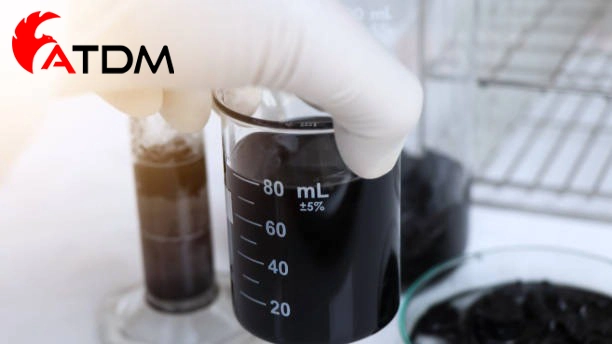
Specific gravity of bitumen is the ratio between the weight of bitumen and the weight of an equal volume of water at a defined temperature, usually 25 °C. In simple terms, it tells engineers and buyers how dense the bitumen binder is compared to water. This value matters because it directly affects mix design, material quantity calculations, quality control, Bitumen Price and performance consistency in asphalt production. Contractors, refiners, traders, and procurement teams use it to ensure the right binder behaves predictably in real projects.
What specific gravity of bitumen really means in practice
Specific gravity is not just a lab number. In day-to-day operations, it helps you understand how much bitumen you are actually getting by weight when you measure it by volume.
Bitumen typically has a specific gravity between 1.00 and 1.06, depending on crude source, refining method, and grade. That means bitumen is slightly heavier than water.
In real projects, this value helps teams:
Convert volume to weight accurately
Control asphalt mix proportions
Compare batches from different refineries
Detect inconsistencies or contamination
When specific gravity changes unexpectedly, experienced engineers treat it as a warning sign rather than a minor variation.
Typical specific gravity range for common bitumen grades
Different penetration or performance grades fall within narrow density ranges. While exact values depend on refinery feedstock, the table below reflects what buyers usually see in compliant material.
| Bitumen Grade | Typical Specific Gravity @ 25 °C |
|---|---|
| Bitumen 60/70 | 1.01 – 1.04 |
| Bitumen 80/100 | 1.00 – 1.03 |
| Bitumen 40/50 | 1.02 – 1.05 |
| Oxidized grades | 1.03 – 1.06 |
| Performance Grade (PG) | 1.01 – 1.05 |
Values outside these ranges do not automatically mean rejection, but they require explanation and verification.
How specific gravity of bitumen affects asphalt mix design
In asphalt plants, mix design depends on weight, not volume. However, storage tanks, pumps, and dosing systems often measure by volume.
Specific gravity acts as the bridge between these two systems.
If the value is wrong or ignored:
Bitumen content in the mix may drift
Asphalt durability can drop
Rutting or cracking risk increases
Cost calculations become inaccurate
For example, underestimating density leads to less binder than intended, even if volume looks correct. Over time, this shows up as dry mixes and premature pavement aging.

Measurement standards and test methods
Most refineries and independent labs measure specific gravity according to international standards. The most common references include:
ASTM D70 – Density of semi-solid bituminous materials
ASTM D3289 – Density using glass capillary pycnometers
EN 15326 – European method for bituminous binders
These tests use calibrated pycnometers or density bottles under controlled temperatures. Reliable suppliers always state the test method and temperature on the Certificate of Analysis (COA).
If a COA lists a value without a test standard, experienced buyers usually request clarification.
Why specific gravity of bitumen varies between suppliers
Buyers often ask why two bitumen shipments with the same penetration grade show slightly different density values.
Several real-world factors explain this:
Crude oil source – Heavier crudes produce denser binders
Refining severity – Air blowing and vacuum depth change composition
Aging and oxidation – Storage and heating increase density over time
Additives or modifiers – Polymers and flux oils alter mass
Small variations are normal. Sudden or large changes are not.
Quality control: how professionals use this value
Specific gravity alone does not define quality, but it supports other key tests.
In practice, quality teams use it alongside:
Penetration
Softening point
Viscosity
Ductility
When all values move consistently, the binder behaves predictably in mixing and paving. When one value shifts independently, it often signals blending issues or contamination.
This is why serious buyers review the full test profile, not a single number.
Handling and storage considerations
Density increases slightly as bitumen ages or oxidizes. Prolonged storage at high temperatures accelerates this process.
Experienced operators follow simple rules:
Avoid overheating above recommended storage temperature
Minimize long storage times in heated tanks
Rotate stock to reduce aging
Ignoring these points may not cause immediate failure, but it slowly changes binder behavior and increases brittleness.
Common buyer questions answered clearly
Does higher specific gravity of bitumen mean better quality?
No. It only means higher density. Quality depends on how all properties work together.
Can I use specific gravity to identify grade?
No. Different grades may overlap in density. Always check penetration or PG classification.
Should I reject a shipment with a slightly different value?
Not automatically. First check test method, temperature, and supporting properties.
Does transportation affect this value?
Long heating during transport can slightly increase density due to oxidation, especially in oxidized grades.
Commercial importance for traders and procurement teams
From a commercial perspective, specific gravity directly affects invoicing and logistics.
When bitumen sells by weight but loads by volume:
Incorrect density causes financial discrepancies
Claims and disputes become more likely
Stock reconciliation becomes difficult
Professional exporters like ATDM include density data in technical documentation to avoid misunderstandings and support transparent transactions.
Limitations of relying on specific gravity of bitumen alone
It is important to be honest about what this property cannot do.
specific gravity of bitumen does not:
Predict low-temperature cracking
Measure elasticity or recovery
Replace viscosity or PG grading
It works best as a supporting parameter, not a standalone decision tool.
Practical takeaway for buyers and engineers
Specific gravity of bitumen helps you convert volume to weight, control mix design, and confirm consistency between batches. It supports quality control, pricing accuracy, and performance stability, but it does not define grade or durability by itself.
If you are evaluating a supplier or shipment, review this value together with penetration, softening point, and viscosity. If the numbers align logically, the binder will usually behave as expected in the field.
The next smart step is to review the full specification sheet and COA, then match the binder properties to your climate, traffic load, and application requirements before final approval.