
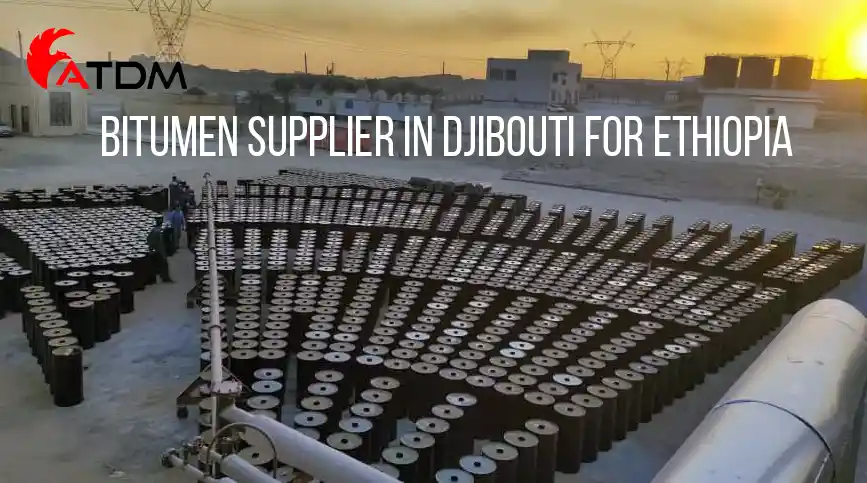
Djibouti has become a strategic hub for supplying bitumen to Ethiopia, especially for large-scale road construction and infrastructure projects. With Ethiopia being a landlocked country and heavily dependent on reliable import routes, bitumen in Djibouti plays a critical role in ensuring a steady and cost-effective supply of paving materials. Dubai, as a global trading and logistics center, has emerged as one of the most reliable origins for exporting high-quality bitumen to Djibouti and onward to Ethiopia.
Why Djibouti Is the Main Gateway for Ethiopia’s Bitumen Supply
Djibouti’s ports serve as Ethiopia’s primary maritime access point, handling the majority of its imports, including petroleum and construction materials. The Port of Djibouti and Doraleh Terminal are well-equipped to receive bitumen shipments in drums, jumbo bags, and bulk containers. This makes bitumen in Djibouti readily available for fast transit to Addis Ababa and other Ethiopian cities via established road and rail networks.
For Ethiopian contractors and government projects, sourcing bitumen through Djibouti reduces transit risks, shortens delivery times, and ensures continuity of supply during peak construction seasons.
Dubai as a Reliable Source of Bitumen
Dubai has positioned itself as a key re-export hub for bitumen produced in the Middle East. Bitumen supplied from Dubai typically meets international standards such as ASTM, EN, and AASHTO, making it suitable for African road conditions and climate requirements. Commonly supplied grades include:
Bitumen 80/100
Bitumen VG-30 and VG-40
Oxidized Bitumen (for specific applications)
Exporting from Dubai to Djibouti allows suppliers to offer flexible packaging, competitive pricing, and consistent quality control. As a result, bitumen in Djibouti sourced from Dubai is widely trusted by Ethiopian importers and infrastructure developers.
Applications of Bitumen in Ethiopia
The demand for bitumen in Ethiopia continues to grow due to extensive investments in highways, urban roads, airports, and industrial zones. Imported bitumen is mainly used for:
Asphalt road paving
Highway rehabilitation projects
Urban infrastructure development
Given Ethiopia’s diverse climate zones, selecting the right grade of bitumen in Djibouti is essential to ensure pavement durability, resistance to deformation, and long service life.
Logistics and Packaging Options
Bitumen shipments from Dubai to Djibouti can be arranged under FOB, CFR, or CIF terms, depending on buyer requirements. Common packaging options include:
New steel drums (180 kg)
Jumbo bags (1 MT)
Bulk shipments for large projects
Once the cargo arrives in Djibouti, it can be transport by truck or rail directly to Ethiopian destinations, ensuring efficient supply chain management.
Choosing the Right Bitumen Supplier
A professional supplier based in Dubai with strong connections in Djibouti can significantly reduce procurement risks and improve project timelines.
Conclusion
With Djibouti acting as Ethiopia’s main import corridor and Dubai serving as a reliable export origin, the supply chain for bitumen has never been more efficient. Bitumen in Djibouti sourced from Dubai provides Ethiopian contractors with quality, reliability, and logistical advantages essential for modern infrastructure development. Choosing the right supplier ensures long-term success in road construction and national development projects.