
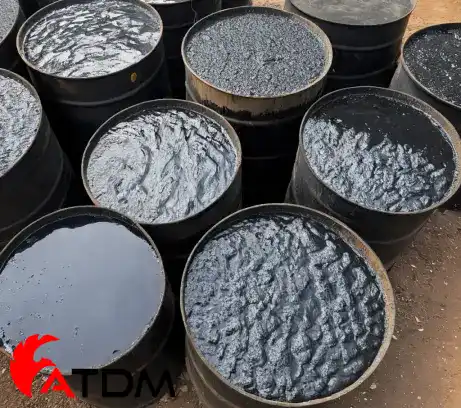
Vacuum Bottom Bitumen is a high-quality industrial material used extensively in road construction, waterproofing, and industrial coatings. It comes from the leftover material of crude oil after vacuum distillation, making it thicker, stronger, and more durable than regular bitumen. Contractors, engineers, and manufacturers often ask: What is vacuum bottom bitumen? How is it produced? What are its key properties and applications? This guide answers all these questions, helping you understand why vacuum bottom is essential for heavy-duty infrastructure projects.
What is Vacuum Bottom Bitumen?
Vacuum Bottom Bitumen is a thick, black, and highly durable product derived from the vacuum distillation of crude oil residue. Unlike straight-run bitumen, it contains heavier molecules, which make it more stable under heat and pressure. Its properties make it ideal for roads, roofing, pipeline coatings, and industrial applications.
The term “vacuum bottom” comes from the production process: the bitumen is the residue left after vacuum distillation, which removes lighter oils and gases. The result is a highly viscous, strong, and water-resistant material.
How is Vacuum Bottom Produced?
The production process of vacuum bottom bitumen follows a series of controlled steps:
Atmospheric Distillation
Crude oil first undergoes atmospheric distillation. This step separates lighter fractions like gasoline, kerosene, and diesel, leaving behind heavy residue.Vacuum Distillation
Next, refineries heat the heavy residue under reduced pressure in a vacuum distillation unit. This prevents cracking of delicate compounds while concentrating the thick, heavy residue.Residue Collection
The leftover material after vacuum distillation becomes vacuum bottom. It is naturally thick and highly adhesive.Blending and Adjustment
Manufacturers often blend additives or modifiers to adjust properties such as softening point, penetration, or viscosity. These adjustments make the bitumen suitable for specific industrial applications.
In short, the controlled vacuum process ensures consistent quality and performance.
Key Properties of Vacuum Bottom Bitumen
Understanding the properties of vacuum bottom bitumen is crucial for engineers and contractors:
High Viscosity: Provides strong adhesion in asphalt and coatings.
Thermal Stability: Resists softening at high temperatures.
Low Penetration: Creates a hard, durable surface suitable for heavy loads.
Water-Resistant: Repels water, ideal for waterproofing.
High Softening Point: Remains stable under extreme weather conditions.
These features make vacuum bottom a reliable material for long-lasting construction projects.
Industrial Applications of Vacuum Bottom Bitumen
Vacuum bottom bitumen has multiple applications across industries. Key uses include:
1. Road Construction
Contractors use vacuum bottom bitumen in asphalt for highways, urban roads, and airports. Its high viscosity and durability prevent cracking and rutting, even under heavy traffic. Moreover, it works well in hot mix asphalt and bituminous mixtures, ensuring roads last longer.
2. Industrial Coatings
Many industries apply vacuum bottom as protective coatings for tanks, pipelines, and storage facilities. Its water-resistant nature and strong adhesion protect surfaces from corrosion, chemical exposure, and wear.
3. Roofing and Waterproofing
Vacuum bottom bitumen is a key ingredient in roofing felts, waterproof membranes, and bitumen sheets. Its high softening point and flexibility allow roofs to withstand hot summers and cold winters, preventing leaks and structural damage.
4. Polymer-Modified Bitumen
Vacuum bottom serves as a base for polymer-modified bitumen (PMB). When combined with polymers, it produces high-performance materials for heavy-duty roads, airport runways, and bridge decks. The result is improved elasticity, heat resistance, and durability.
Advantages of Vacuum Bottom Bitumen
Choosing vacuum bottom bitumen offers several benefits:
Durability: Its heavy molecules resist wear and tear.
Thermal and Oxidation Resistance: Maintains stability under heat and sunlight.
Versatility: Works in roads, coatings, waterproofing, and modified bitumen products.
Cost-Effective: Long-lasting performance reduces repair costs.
Eco-Friendly: Requires fewer additional chemicals, minimizing environmental impact.
Therefore, vacuum bottom is a strategic choice for long-term industrial projects.
Quality Standards and Testing
High-quality vacuum bottom bitumen meets strict industrial standards. Testing parameters include:
Penetration Test: Measures hardness.
Softening Point Test: Checks temperature stability.
Viscosity Test: Evaluates flow and adhesion.
Ductility Test: Measures flexibility.
Flash Point Test: Ensures safe handling.
Reliable suppliers provide certified vacuum bottom that meets ASTM, IS, and EN standards, ensuring consistent quality for all projects.
Handling and Storage Recommendations
Proper storage ensures vacuum bottom bitumen retains its performance:
Store in dry, clean, heated tanks to maintain fluidity.
Avoid contamination with water, dust, or debris.
Transport using heated tankers or insulated containers.
Follow safety guidelines to prevent fire hazards.
By following these practices, industrial users can maximize the material’s lifespan and efficiency.
Choosing a Reliable Supplier
Selecting a trusted supplier is critical. Consider these factors:
Consistent Quality: Verified through lab tests.
Reliable Supply: Meets project deadlines.
Technical Support: Provides guidance on applications.
Global Reach: Can handle large orders internationally.
ATDM stands out as a leading supplier of vacuum bottom bitumen. With certified products, technical expertise, and timely delivery, ATDM supports contractors, industrial manufacturers, and government projects worldwide.
Frequently Asked Questions (FAQ)
Q1: How does vacuum bottom bitumen differ from regular bitumen?
A: Vacuum bottom bitumen comes from vacuum distillation of crude oil residue, making it thicker, stronger, and more heat-resistant than regular bitumen.
Q2: Can vacuum bottom be used in polymer-modified bitumen?
A: Yes. It forms the base for PMB, enhancing durability, elasticity, and performance in heavy-duty applications.
Q3: How should vacuum bottom be stored?
A: Keep it in dry, heated tanks, avoid water and debris, and follow safety protocols to maintain quality.
Vacuum bottom remains a key material in modern infrastructure. Its applications in road construction, industrial coatings, roofing, and pipelines make it indispensable for projects demanding durability and performance. By sourcing vacuum bottom bitumen from a trusted supplier like ATDM, buyers gain certified quality, expert guidance, and reliable delivery for every industrial need.