
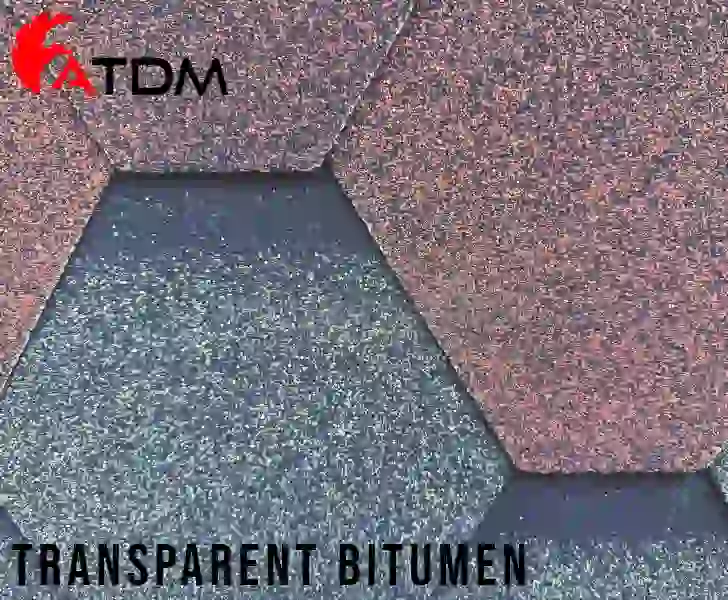
Transparent bitumen, also known as clear bitumen, is a modern asphalt binder designed for projects where appearance, safety, and performance matter at the same time. In simple words, transparent bitumen works like traditional asphalt binder, but without the dark black color. Because of this unique feature, engineers and designers use it to create light-colored, decorative, and visually attractive pavements. This first paragraph explains exactly what transparent bitumen is, why it exists, and why it is becoming a smart choice for modern infrastructure projects around the world.
Unlike conventional bitumen, which comes from heavy petroleum fractions, bitumen transparent is produced using carefully selected clear binders and refined components. As a result, it delivers strong adhesion, durability, and flexibility while allowing natural aggregate colors to remain visible. Therefore, architects, municipalities, and contractors choose transparent asphalt when they want roads, walkways, bike lanes, or public spaces to look cleaner, brighter, and more welcoming.
What Is Transparent Bitumen?
Transparent bitumen is a colorless or light-colored asphalt binder used to replace black bitumen in decorative and functional applications. It binds aggregates together in the same way as standard asphalt, but it does not mask the color of stones, pigments, or design patterns.
Because of its clear appearance, this material is also called:
Colorless Bitumen
Transparent Asphalt
Clear Asphalt Binder
Light Colored Bitumen
Each of these terms describes the same core idea: an asphalt binder that offers performance without the dark black look.
How Transparent Asphalt Is Made
Transparent asphalt does not come from standard crude oil residue. Instead, manufacturers create it using carefully refined hydrocarbon binders, resins, and polymers. These components provide elasticity, strength, and weather resistance.
Because of this production method:
The binder stays clear or lightly colored
Aggregates remain visible
The surface reflects more light
Heat absorption reduces compared to black asphalt
As a result, transparent bitumen supports both aesthetic design and environmental performance.
Why Engineers Choose Clear Bitumen
Engineers and urban planners choose clear bitumen for several practical reasons. First, it improves visual quality. Second, it enhances safety. Third, it supports sustainable design goals.
Key Advantages of Transparent Bitumen
Allows natural stone color to remain visible
Creates decorative and premium surfaces
Reduces urban heat absorption
Improves night visibility
Supports colored and patterned pavements
Delivers strong bonding and durability
Because of these benefits, transparent asphalt is no longer a niche product. Instead, it has become a reliable solution for modern infrastructure.
Decorative Bitumen for Urban Design
Decorative bitumen plays a major role in city planning today. Cities want roads and public spaces that look attractive, organized, and safe. Black asphalt limits design options. In contrast, decorative bitumen opens new possibilities.
With transparent asphalt, designers can:
Highlight pedestrian zones
Differentiate bike lanes
Create themed urban areas
Blend pavements with natural surroundings
For example, parks, plazas, and tourist zones often require surfaces that match the environment. Clear asphalt binder makes this possible without sacrificing performance.
Applications of Transparent Bitumen
Transparent bitumen works in many applications where both function and appearance matter.
Common Uses
Pedestrian walkways and sidewalks
Bicycle lanes and shared paths
Urban squares and plazas
Parking areas with design patterns
Driveways and residential roads
Parks and recreational areas
Because transparent asphalt behaves like conventional asphalt, contractors can apply it using standard paving techniques.
Clear Asphalt Binder vs Traditional Bitumen
Clear asphalt binder and traditional bitumen share the same purpose, but they differ in appearance and thermal behavior.
Main Differences
| Feature | Traditional Bitumen | Transparent Bitumen |
|---|---|---|
| Color | Black | Clear or light |
| Heat absorption | High | Lower |
| Design flexibility | Limited | Very high |
| Decorative use | Rare | Common |
| Aggregate visibility | Hidden | Visible |
Therefore, when visual impact matters, transparent bitumen becomes the better choice.
Light Colored Bitumen and Urban Heat Reduction
One major advantage of light colored bitumen is its ability to reflect more sunlight. Black asphalt absorbs heat and increases surface temperatures. In contrast, transparent asphalt keeps surfaces cooler.
Because of this feature:
Urban heat islands reduce
Pedestrian comfort improves
Surrounding air temperature stays lower
Pavement lifespan increases
As cities focus more on climate-friendly materials, transparent bitumen gains more attention.
Performance and Durability
Some buyers assume that colorless bitumen may be weaker than traditional asphalt. In reality, transparent bitumen delivers excellent mechanical performance.
It provides:
Strong adhesion to aggregates
High resistance to cracking
Good flexibility in temperature changes
Long service life
When applied correctly, transparent asphalt performs reliably under traffic and weather conditions.
Installation and Compatibility of Transparent Bitumen
Contractors install transparent bitumen using standard asphalt equipment. However, they must pay attention to cleanliness and aggregate selection. Clean, high-quality aggregates ensure the best visual result.
Additionally:
Pigments can be added for color effects
Natural stones create premium finishes
Surface textures can vary based on design
Because of this flexibility, clear bitumen suits both functional and artistic projects.
Environmental and Sustainability Benefits
Transparent asphalt supports sustainability in multiple ways.
First, it reduces heat absorption. Second, it allows lighter surfaces that require less artificial lighting. Third, it blends well with natural materials.
These factors help projects meet modern environmental standards without compromising strength.
Packaging and Supply Options
Transparent bitumen is typically supplied in:
Steel drums
Jumbo bags
Bulk containers
Reliable suppliers ensure consistent quality, controlled specifications, and safe packaging. ATDM supplies transparent bitumen to international markets with stable quality and professional logistics support. Many buyers choose ATDM again because of its consistent material performance and export-ready packaging.
Quality Control and Standards
Although transparent bitumen does not follow traditional black bitumen grading, manufacturers still apply strict quality control. Tests focus on:
Binder consistency
Adhesion strength
Temperature resistance
Aging performance
As a result, buyers receive a dependable product suitable for long-term use.
Why Transparent Bitumen Is the Future
Infrastructure design continues to evolve. Cities no longer want roads that only function. They want roads that look good, stay cool, and last long.
Transparent bitumen answers this demand by combining engineering reliability with visual freedom. It allows cities to create safer, brighter, and more attractive spaces.
Final Thoughts
Transparent bitumen is more than a color change. It is a smart upgrade to traditional asphalt technology. By offering durability, design flexibility, and environmental benefits, clear bitumen supports the future of modern infrastructure.
From decorative pavements to sustainable urban design, transparent asphalt continues to prove its value. With professional suppliers like ATDM ensuring quality and consistency, contractors and planners can confidently choose transparent bitumen for projects that demand both performance and beauty.