
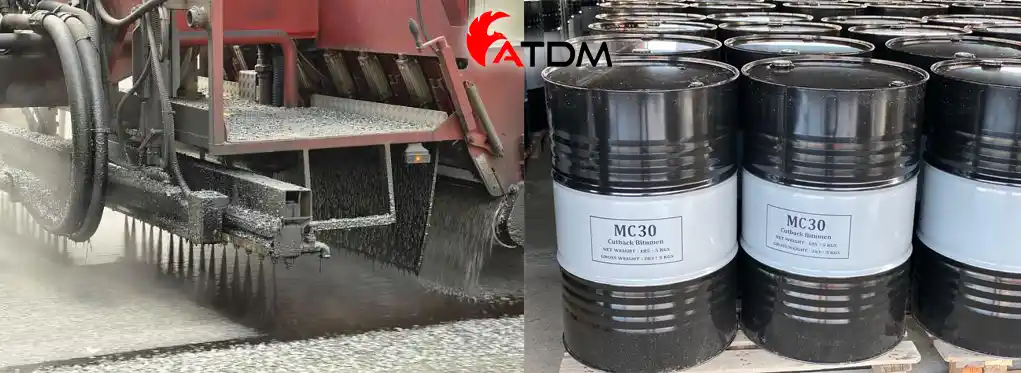
Road construction and pavement maintenance require the right type of bituminous binder to ensure durability, cost-effectiveness, and long-term performance. When selecting a suitable binder, engineers and contractors often compare Bitumen Emulsion vs Cutback Bitumen to determine which option best fits their project requirements.
Both materials serve similar purposes in road construction, surface dressing, patching, tack coating, and maintenance operations. However, they differ significantly in composition, application methods, environmental impact, curing characteristics, safety considerations, and overall performance.
As environmental regulations become stricter and sustainability gains greater importance, understanding the differences between these two products has become essential. This comprehensive comparison explores every important aspect of bitumen emulsion and cutback bitumen, helping decision-makers choose the most appropriate solution for their projects.
Understanding the Difference Between Bitumen Emulsion and Cutback Bitumen
The primary distinction lies in how the bitumen is made fluid enough for application.
Bitumen emulsion uses water and emulsifying agents to disperse bitumen into microscopic droplets. As a result, the product remains workable at lower temperatures without requiring petroleum solvents.
In contrast, cutback bitumen achieves fluidity by blending bitumen with volatile petroleum solvents. These solvents reduce viscosity and allow the material to be sprayed or mixed at ambient temperatures.
Although both products provide similar functions, their behavior during application and curing differs considerably. Consequently, project specifications often determine which material is more suitable.
Bitumen Emulsion vs Cutback Bitumen: Composition Comparison
Bitumen Emulsion Composition
Emulsion Bitumen generally contains:
- Bitumen
- Water
- Emulsifying agents
- Stabilizing additives
The water acts as the continuous phase, while tiny bitumen particles remain suspended throughout the mixture.
This formulation allows application at lower temperatures and significantly reduces the need for hydrocarbon solvents.
Cutback Bitumen Composition
Cutback bitumen consists of:
- Base bitumen
- Petroleum solvents
- Performance-enhancing additives
The solvents may evaporate quickly or slowly depending on the grade selected.
Common solvent categories include:
- Rapid curing (RC)
- Medium curing (MC)
- Slow curing (SC)
The solvent content directly influences curing speed and workability.
Environmental Impact Comparison
Why Environmental Performance Matters
Environmental regulations increasingly influence material selection in road construction. Therefore, comparing ecological performance is essential.
Bitumen Emulsion and Sustainability
Bitumen emulsion offers several environmental advantages:
- Lower volatile organic compound (VOC) emissions
- Reduced air pollution
- Lower fire risk
- Decreased carbon footprint
- Better compliance with environmental standards
Since water serves as the dispersing medium, fewer harmful emissions enter the atmosphere during application.
Environmental Concerns with Cutback Bitumen
Cutback bitumen releases solvent vapors as curing occurs. Consequently, it generates:
- Higher VOC emissions
- Increased air pollution
- Greater environmental concerns
- Stronger odors during application
Many countries have gradually restricted cutback usage because of these environmental impacts.
Winner: Environmental Performance
Bitumen emulsion clearly provides superior environmental benefits and aligns more effectively with modern sustainability goals.
Application Temperature Requirements
Bitumen Emulsion Application
One major advantage of bitumen emulsion is its ability to perform at relatively low temperatures.
Benefits include:
- Reduced heating requirements
- Lower fuel consumption
- Improved worker safety
- Easier handling
Because extensive heating is unnecessary, contractors can achieve significant energy savings.
Cutback Bitumen Application
Cutback bitumen also offers good workability at ambient temperatures due to solvent dilution.
However, certain grades may still require temperature control depending on climate and project conditions.
Comparison Outcome
Both products provide excellent workability. Nevertheless, bitumen emulsion typically offers better energy efficiency because it minimizes reliance on heating and solvent evaporation.
Curing and Setting Time Comparison
How Bitumen Emulsion Cures
Bitumen emulsion cures when water evaporates and the emulsion breaks.
Factors influencing curing include:
- Temperature
- Humidity
- Wind conditions
- Surface characteristics
The curing process can vary depending on environmental conditions.
How Cutback Bitumen Cures
Cutback bitumen cures through solvent evaporation.
This process often occurs faster, especially with rapid-curing grades.
As solvents leave the mixture, the remaining bitumen forms a cohesive binder layer.
Which One Cures Faster?
The answer depends on the specific grade and weather conditions.
Generally:
| Factor | Bitumen Emulsion | Cutback Bitumen |
|---|---|---|
| Initial Setting | Moderate | Faster |
| Weather Sensitivity | Higher | Lower |
| Cold Climate Performance | Good | Very Good |
| Fast Return to Traffic | Moderate | Better |
Cutback bitumen may offer faster curing in certain situations, making it attractive for urgent maintenance projects.
Safety Considerations
Safety Advantages of Bitumen Emulsion
Bitumen emulsion offers:
- Non-flammable characteristics
- Reduced fire hazards
- Lower exposure to solvent vapors
- Improved workplace safety
These advantages make it particularly suitable for urban and environmentally sensitive areas.
Safety Risks Associated with Cutback Bitumen
Because cutback bitumen contains petroleum solvents, it presents:
- Higher flammability risks
- Greater vapor exposure
- Increased storage precautions
- Additional transportation requirements
Proper safety procedures become essential when handling cutback products.
Winner: Safety
Bitumen emulsion provides a safer working environment and reduces operational risks.
Performance in Different Weather Conditions
Performance During Hot Weather
Both products perform effectively in warm climates.
However, bitumen emulsion often demonstrates greater consistency due to controlled breaking characteristics.
Performance During Cold Weather
Cold weather applications can be challenging.
Cutback bitumen frequently performs better because solvents help maintain fluidity and facilitate penetration.
This advantage explains why some contractors still prefer cutback products in colder regions.
Wet Surface Applications
Bitumen emulsion generally exhibits superior adhesion to damp surfaces.
As a result, it can be applied under conditions where cutback products may struggle.
Penetration and Adhesion Characteristics
Cutback Bitumen Penetration
One of the strongest advantages of cutback bitumen is its excellent penetration capability.
The solvent allows the binder to:
- Penetrate granular surfaces
- Coat aggregates effectively
- Improve bonding strength
This characteristic makes it useful for prime coat applications.
Bitumen Emulsion Adhesion
Bitumen emulsion provides excellent adhesion to aggregates and existing pavement surfaces.
Modern emulsion technologies enhance bonding performance while maintaining environmental benefits.
Comparison Summary
| Property | Bitumen Emulsion | Cutback Bitumen |
|---|---|---|
| Adhesion | Excellent | Excellent |
| Penetration | Good | Superior |
| Aggregate Coating | Excellent | Excellent |
| Surface Bonding | Excellent | Very Good |
Cost Analysis: Bitumen Emulsion vs Cutback Bitumen
Initial Material Cost
Material prices vary according to:
- Crude oil prices
- Solvent availability
- Regional demand
- Manufacturing costs
Historically, cutback bitumen often involved higher costs due to solvent requirements.
Application Cost
Bitumen emulsion can reduce costs through:
- Lower heating requirements
- Reduced fuel consumption
- Improved safety management
- Simplified transportation
Long-Term Cost Efficiency
When considering total lifecycle expenses, bitumen emulsion frequently offers better value because of:
- Reduced environmental compliance costs
- Lower energy consumption
- Improved sustainability credentials
Overall Cost Winner
Although project-specific variables matter, bitumen emulsion generally provides greater long-term economic benefits.
Common Road Construction Applications
Applications Suitable for Both Products
Both materials are widely used in:
- Road maintenance
- Surface dressing
- Patching operations
- Tack coats
- Base stabilization
- Pavement preservation
Projects Favoring Bitumen Emulsion
Bitumen emulsion is commonly selected for:
- Urban road projects
- Sustainable infrastructure programs
- Environmentally sensitive locations
- Municipal road maintenance
Projects Favoring Cutback Bitumen
Cutback bitumen often remains useful for:
- Prime coat applications
- Cold-weather construction
- Remote project sites
- Rapid maintenance operations
The final selection depends on technical requirements and environmental regulations.
Storage and Transportation Comparison
Bitumen Emulsion Storage
Storage benefits include:
- Lower fire risk
- Easier handling
- Reduced regulatory restrictions
- Enhanced safety during transport
Cutback Bitumen Storage
Transportation and storage require greater attention because solvents increase flammability.
Additional precautions often include:
- Specialized containers
- Hazard management procedures
- Fire prevention measures
Storage Comparison Result
Bitumen emulsion provides a clear logistical advantage.
Regulatory Trends and Industry Preferences
Global Shift Toward Sustainable Solutions
Governments worldwide increasingly encourage sustainable construction practices.
Consequently, many agencies now prioritize:
- Reduced emissions
- Lower environmental impact
- Safer construction materials
- Green infrastructure initiatives
Growing Popularity of Bitumen Emulsion
As regulations tighten, bitumen emulsion continues gaining market share because it aligns with modern sustainability objectives.
Continued Relevance of Cutback Bitumen
Despite environmental concerns, cutback bitumen remains important in specialized applications where penetration and rapid curing are critical.
Therefore, both products still maintain a place within the industry.
Supplier Availability and Product Selection
Choosing a reliable supplier is just as important as selecting the right material.
Contractors and infrastructure developers should work with suppliers capable of delivering consistent quality, technical support, and international compliance standards.
Companies such as ATDM supply both Cutback Bitumen and Bitumen Emulsion, supporting various road construction and maintenance requirements across different project environments.
Advantages and Disadvantages at a Glance
Bitumen Emulsion Advantages
- Environmentally friendly
- Lower VOC emissions
- Improved safety
- Reduced energy consumption
- Easier storage and transport
- Better sustainability profile
Bitumen Emulsion Limitations
- Weather-sensitive curing
- Potentially slower setting times
- Requires proper emulsion breaking conditions
Cutback Bitumen Advantages
- Excellent penetration
- Fast curing options
- Strong cold-weather performance
- Effective aggregate coating
Cutback Bitumen Limitations
- Higher VOC emissions
- Increased fire hazards
- Environmental restrictions
- Additional handling precautions
Which Option Is Better?
The answer depends on project objectives.
If environmental compliance, worker safety, sustainability, and long-term cost efficiency are priorities, bitumen emulsion often emerges as the preferred solution.
On the other hand, if rapid curing, deep penetration, and cold-weather performance are the primary concerns, cutback bitumen may offer advantages.
Modern infrastructure projects increasingly favor emulsions due to evolving environmental regulations. Nevertheless, cutback products continue serving important roles in specialized construction applications.
Conclusion: Bitumen Emulsion vs Cutback Bitumen
The comparison of Bitumen Emulsion vs Cutback Bitumen reveals that both materials offer valuable benefits for road construction and maintenance. However, their differences in composition, environmental impact, curing behavior, safety, cost, and application performance make each suitable for specific situations.
Bitumen emulsion stands out for its sustainability, lower emissions, improved safety, and reduced energy consumption. Meanwhile, cutback bitumen remains highly effective where superior penetration and faster curing are required.
Ultimately, the best choice depends on climate conditions, project specifications, environmental requirements, budget considerations, and performance expectations. By carefully evaluating these factors, engineers and contractors can select the most effective solution for achieving durable, high-quality pavement performance.