
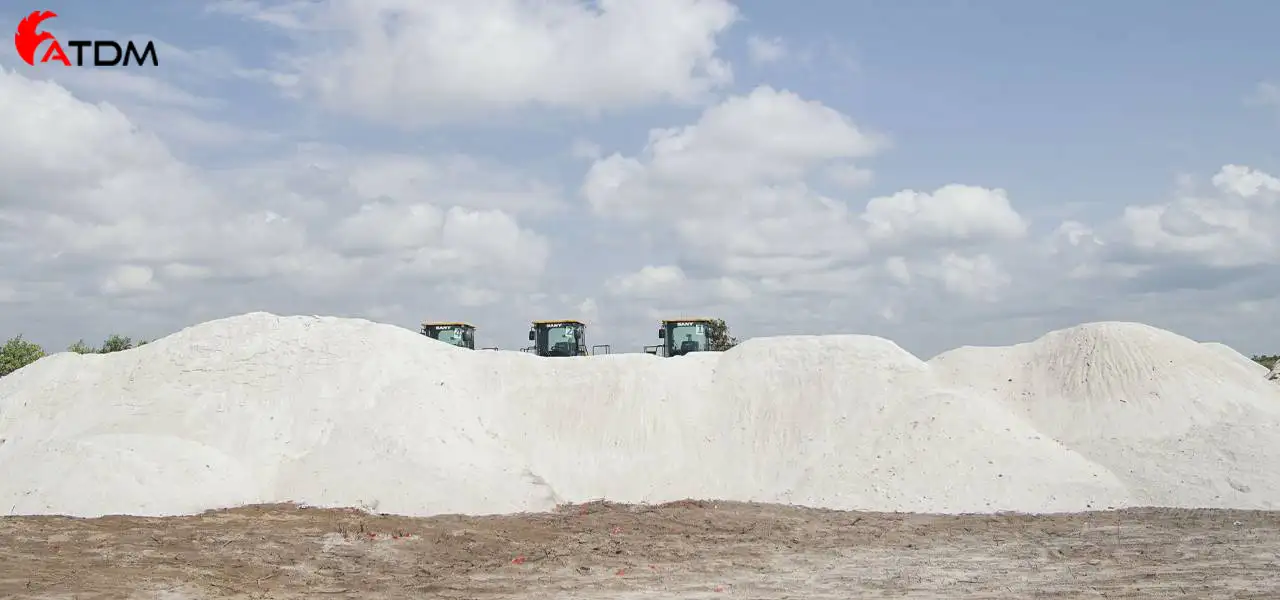
Sand is one of the most fundamental materials used across industries, from construction to manufacturing. However, not all sand is created equal. Understanding the differences between silica sand and regular sand is crucial for selecting the right material for specific applications. Each type of sand has unique properties that make it suitable for particular uses, and using the wrong type can compromise quality, durability, and safety.
Composition and Structure of Silica Sand vs Regular Sand
One of the primary distinctions in the silica sand vs regular sand debate is composition. Silica sand is composed mainly of silicon dioxide (SiO₂) in the form of quartz, which gives it a uniform and highly durable structure. Its high purity level makes it particularly suitable for industrial processes requiring precise material specifications, such as glassmaking, foundry casting, and chemical applications.
Regular sand, on the other hand, is a natural mixture of minerals including quartz, feldspar, mica, and various clay particles. This composition makes it more versatile for general use but less consistent in performance. Its irregular particle sizes and varied mineral content can affect strength and permeability, making it less ideal for specialized industrial purposes.
Particle Size and Shape
Particle size and shape play a significant role in determining how sand behaves in different applications. In the silica sand vs regular sand comparison, silica sand stands out because of its uniformity. Silica sand grains are typically angular and consistent in size, which allows for tight packing and excellent compaction. This property is particularly important in industries like glass production or sandblasting, where precision and consistency are essential.
Regular sand tends to have more irregular shapes and a wider range of particle sizes. This irregularity can be beneficial for landscaping or general construction, where drainage and aesthetic considerations are more important than uniformity. However, the inconsistency can lead to variable results in high-precision projects.
Strength and Durability of Silica Sand vs Regular Sand
Another key factor in the differences between silica sand and standard sand is strength. Silica sand’s high quartz content gives it exceptional hardness and resistance to weathering. This makes it ideal for applications where long-term durability is critical, such as concrete reinforcement, industrial molds, or filtration systems.
Regular sand, while strong enough for everyday construction, is less durable under extreme conditions. Its mixed mineral composition can result in uneven wear, and it may not perform as well under heavy mechanical or chemical stress. This limitation is particularly noticeable in projects requiring long-lasting structural integrity.
Filtration and Industrial Use
When considering silica sand vs ordinary sand for filtration, the differences become even more apparent. Silica sand’s uniform particle size and chemical inertness make it a top choice for water treatment, chemical filtration, and even some food processing applications. Its consistent flow characteristics allow for predictable filtration rates, reducing maintenance and ensuring better performance over time.
Regular sand, by contrast, may contain impurities and irregular particles that can clog filtration systems or cause inconsistent flow rates. While it may still serve in basic drainage or garden filtration systems, it is not recommended for high-precision industrial applications.
Heat Resistance and Chemical Stability
Silica sand also excels in heat resistance and chemical stability. Its high melting point and resistance to chemical reactions make it indispensable in processes like metal casting and glass production. Using regular sand in such scenarios could result in contamination, melting, or structural weakness due to its mixed mineral content.
This distinction highlights why industries often choose silica sand over regular sand despite its higher cost. The investment in silica sand ensures superior performance and reduces the risk of costly failures in critical applications.
Environmental and Aesthetic Considerations
While performance is a key factor, environmental and aesthetic aspects also differ. Regular sand is often preferred for landscaping, playgrounds, and beach restoration because of its natural appearance and availability. It blends well with the surrounding environment and provides an attractive, natural look.
Silica sand, although visually appealing due to its bright and uniform color, is typically reserved for industrial and technical uses rather than landscaping. Its extraction and processing can also be more resource-intensive, which is a consideration for sustainable projects.
Cost Implications
Cost is another practical aspect when comparing differences between silica sand and ordinary sand. Regular sand is generally cheaper and widely available, making it suitable for construction projects, landscaping, and basic concrete work. Silica sand, while more expensive, provides higher quality and consistency, reducing the risk of errors and long-term maintenance costs.
Investing in silica sand makes sense in projects where quality and performance outweigh upfront costs. For industrial suppliers and distributors, sourcing from reputable providers like ATDM ensures that the sand meets strict quality standards, providing both reliability and efficiency.
Selecting the Right Sand BEtween Silica Sand vs Regular Sand
Choosing between silica sand and regular sand depends heavily on the project’s requirements. For construction and everyday use, regular sand is often sufficient. However, for industrial, chemical, or high-precision applications, silica sand is the clear choice due to its uniformity, strength, and durability.
Suppliers like ATDM offer a range of high-quality silica sand products that meet industrial specifications. By consulting with trusted suppliers, businesses can ensure they select the right type of sand for their specific needs, avoiding common pitfalls associated with using the wrong material.
Conclusion
In conclusion, understanding the differences between silica sand and regular sand is essential for making informed material choices. Silica sand’s uniform composition, strength, durability, and industrial performance set it apart from regular sand. Meanwhile, regular sand’s versatility, availability, and cost-effectiveness make it suitable for everyday applications.
Whether you are planning a construction project, an industrial process, or a landscaping venture, knowing when to choose silica sand over regular sand can save time, reduce costs, and ensure superior results. Suppliers like ATDM provide reliable options that meet high standards, making it easier to achieve consistent and successful outcomes.
Understanding these differences ensures that you select the right material for your needs, ultimately enhancing performance, efficiency, and safety across all applications.