
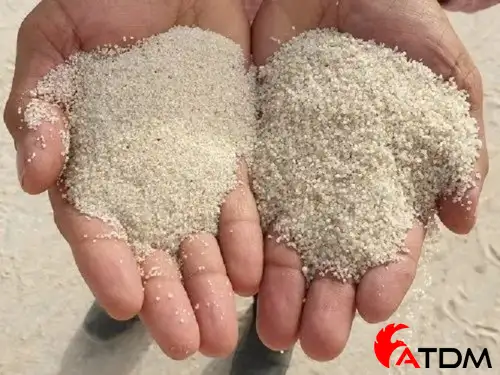
Silica sand for sports fields is a key material that improves performance, safety, and durability. It mainly consists of high-purity silicon dioxide (SiO₂), usually above 95%, which makes it strong, stable, and resistant to weathering. Sports field builders use silica sand in base layers, topdressing, and artificial turf infill because of its uniform grain size and rounded shape. These features help water drain quickly, often at rates of 100–300 mm per hour, reducing puddles and downtime after rain. In artificial turf, silica sand holds fibers upright and keeps the surface even. In natural grass fields, it improves soil aeration and supports healthy root growth. Its long lifespan and low maintenance needs make it a cost-effective and reliable choice for modern sports surfaces.
Key Benefits of Silica Sand for Sports Fields
Silica sand for sports fields delivers several practical advantages that improve gameplay and field quality.
Improved Drainage Systems
Silica sand allows water to pass through quickly. This prevents puddles and reduces downtime after rain.
Enhanced Player Safety
A well-balanced sand layer cushions impacts. It reduces injury risks and improves traction for athletes.
Long-Term Durability
Silica sand resists wear and tear. It maintains its structure for years, making it a cost-effective choice.
Types of Sports Fields That Use Silica Sand
Different sports rely on silica sand to maintain high-quality playing surfaces.
Football and Soccer Fields
Ground managers use silica sand to stabilize turf and improve drainage. It keeps fields firm and safe during matches.
Golf Courses and Bunkers
Golf courses depend on silica sand for bunkers and greens. It provides consistent ball behavior and smooth play.
Baseball and Softball Diamonds
Infields use silica sand to create stable surfaces. It ensures predictable ball movement and player footing.
Silica Sand vs Other Infill Materials
Choosing the right infill material impacts performance and maintenance.
Comparison with Rubber Crumb
Rubber crumb offers cushioning but retains heat. quartz sand stays cooler and provides better stability.
Natural Sand vs Synthetic Alternatives
Natural silica sand offers durability and affordability. Synthetic infills often cost more and require complex maintenance.
How Silica Sand Improves Drainage
Drainage remains one of the biggest advantages of silica sand for sports fields.
Water Permeability Explained
The uniform grain size allows water to flow freely. This prevents water buildup and keeps surfaces dry.
Preventing Field Flooding
Proper sand layering reduces the risk of flooding. It ensures fields remain usable even after heavy rain.
Role in Artificial Turf Systems
Artificial turf systems depend heavily on silica sand for stability.
Infill Stability and Support
Silica sand anchors turf fibers. It keeps them upright and evenly distributed.
Maintaining Turf Shape
Without proper infill, turf loses its structure. Silica sand helps maintain a natural look and feel.
Installation Process of silica sand for sports fields
Correct installation ensures maximum performance.
Preparation of the Base
Installers first prepare a solid base layer. This includes grading and compacting the ground.
Spreading and Leveling Techniques
Workers spread silica sand evenly across the surface. They use specialized tools to level and compact it.
Maintenance Tips for Silica Sand Fields
Regular maintenance keeps fields in top condition.
Regular Grooming
Ground crews groom the surface to redistribute sand. This prevents uneven areas.
Refilling and Top-Ups
Over time, some sand may shift or settle. Adding fresh sand maintains optimal performance.
Environmental Impact and Sustainability
Silica sand offers several environmental benefits.
Eco-Friendly Properties
It is a natural material that does not release harmful chemicals. This makes it safe for players and the environment.
Recycling and Reuse
Many facilities reuse silica sand during renovations. This reduces waste and lowers costs.
Cost Analysis of silica sand for sports fields
Understanding costs helps with planning and budgeting.
Initial Investment
Silica sand requires a moderate upfront cost. However, it delivers high value.
Long-Term Savings
Its durability reduces maintenance expenses. Facilities save money over time.
Choosing the Right silica sand for sports fields
Selecting the right type ensures optimal results.
Grain Size and Shape
Medium-sized, rounded grains work best. They provide balance between drainage and stability.
Purity Levels
High-purity silica sand performs better. It lasts longer and maintains consistency.
Common Mistakes to Avoid
Avoiding errors improves field quality.
Overfilling the Field
Too much sand can make surfaces hard and unsafe.
Using Low-Quality Sand
Poor-quality sand breaks down quickly. This leads to higher maintenance costs.
Future Trends in Sports Field Materials
The industry continues to evolve with new innovations.
Innovations in Turf Technology
New systems combine silica sand with advanced materials. These improve performance and comfort.
Sustainable Materials Growth
More facilities now focus on eco-friendly solutions. Silica sand remains a key component.
FAQs About Silica Sand for Sports Fields
1. Why is silica sand used in sports fields?
It improves drainage, stability, and safety for athletes.
2. Is silica sand safe for players?
Yes, it is non-toxic and widely used in sports surfaces.
3. How often should silica sand be replaced?
Most fields require occasional top-ups rather than full replacement.
4. Can silica sand be used in all weather conditions?
Yes, it performs well in both wet and dry environments.
5. What is the ideal grain size for sports fields?
Medium-sized grains provide the best balance of performance and durability.
6. Is silica sand environmentally friendly?
Yes, it is natural, reusable, and safe for ecosystems.
Conclusion silica sand for sports fields
Silica sand for sports fields remains one of the most reliable materials in modern sports construction. It delivers excellent drainage, enhances player safety, and ensures long-lasting performance. Whether used in natural grass or artificial turf, it plays a crucial role in maintaining high-quality playing surfaces.
By choosing the right type of silica sand and following proper installation and maintenance practices, facilities can create durable, safe, and professional-grade sports fields. As technology advances, silica sand will continue to support innovation and sustainability in sports infrastructure.