
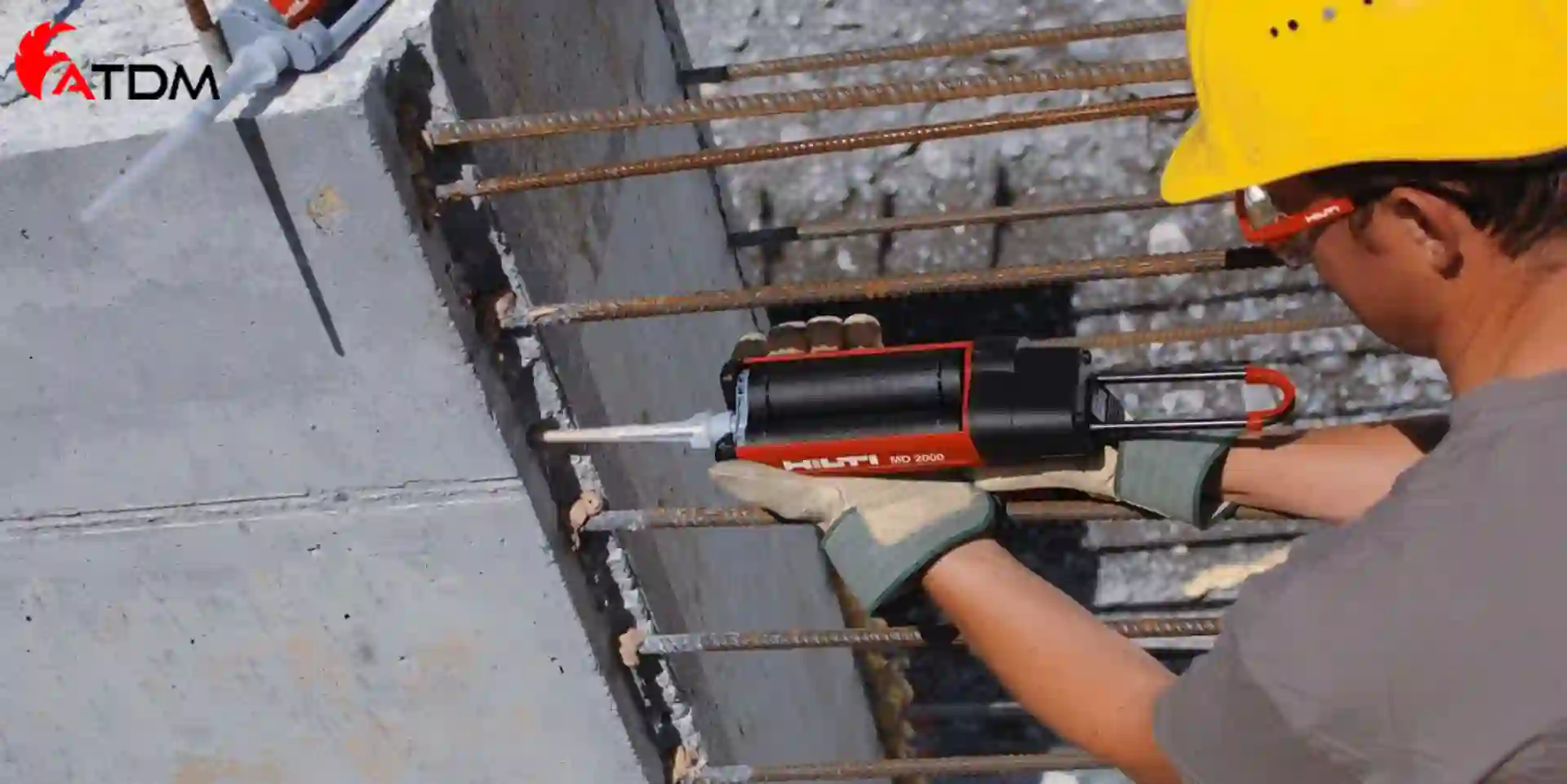
Importance of Proper Rebar Installation
A solid structure starts with correct reinforcement. This Steel rebar installation guide focuses on ensuring your construction project achieves maximum strength and durability.
Structural Integrity and Load Distribution
Rebar plays a key role in distributing loads evenly across concrete surfaces. Proper installation ensures the structure can withstand pressure, tension, and environmental stress. When installed correctly, rebar prevents weak points that could compromise safety.
Preventing Concrete Cracks and Failures
Concrete alone is strong in compression but weak in tension. Reinforcement bridges that gap. Correct placement and spacing reduce the chances of cracking, shifting, or long-term structural damage.
Tools and Materials Needed for Rebar Installation
Before starting, gathering the right tools ensures efficiency and accuracy.
Essential Tools Checklist
- Rebar cutter and bender
- Measuring tape
- Tie wire and tying tool
- Safety gloves and boots
- Rebar chairs and spacers
Selecting High-Quality Rebar Materials
Always choose corrosion-resistant and high-grade steel. Reliable suppliers like ATDM provide durable rebar products that meet industry standards, ensuring long-term performance.
Site Preparation Before Installing Rebar
Preparation sets the foundation for success.
Ground Leveling and Compaction
Ensure the ground is properly leveled and compacted. Uneven surfaces can lead to misalignment and weak structural support.
Layout Marking and Measurements
Use chalk lines or markers to outline rebar placement. Accurate measurements prevent costly mistakes later in the process.
Understanding Rebar Placement Techniques
Correct placement determines structural strength.
Horizontal vs Vertical Placement
Horizontal rebar strengthens slabs and foundations, while vertical rebar supports columns and walls. Both must be positioned according to design specifications.
Spacing and Alignment Rules
Uniform spacing is critical. Too close leads to congestion; too far reduces reinforcement effectiveness. Follow engineering guidelines carefully.
Step-by-Step Rebar Installation Guide
This rebar installation guide breaks down the process into simple steps.
Step 1: Cutting and Bending Rebar
Cut rebar to the required lengths using specialized tools. Bend according to structural design to fit corners and joints.
Step 2: Placing Rebar Grid
Lay out the rebar in a grid pattern based on design plans. Ensure even spacing throughout the structure.
Step 3: Securing with Tie Wire
Tie intersections using wire to hold the grid firmly in place. This prevents movement during concrete pouring.
Step 4: Installing Rebar Chairs and Supports
Use chairs and spacers to elevate the rebar. This maintains proper positioning within the concrete.
Step 5: Double-Checking Alignment
Inspect the entire layout before pouring concrete. Correct any misalignment immediately.
Best Practices for Rebar Tying
Tying ensures stability and durability.
Manual vs Mechanical Tying
Manual tying offers control for smaller projects, while mechanical tools increase speed and consistency for large-scale construction.
Common Tying Patterns
- Saddle tie
- Figure-eight tie
- Wrap and snap tie
Each method provides different levels of strength and flexibility.
Maintaining Proper Rebar Cover
Concrete cover protects rebar from environmental damage.
Importance of Concrete Cover
Adequate cover prevents corrosion and enhances durability. Insufficient cover exposes steel to moisture and air.
Using Spacers Effectively
Spacers ensure consistent distance between rebar and formwork. They help maintain uniform coverage across the structure.
Inspection and Quality Control OF Rebar Installation
Quality checks prevent future issues.
Pre-Pour Inspection Checklist
- Verify spacing and alignment
- Ensure secure tying
- Confirm correct elevation
- Check for damaged materials
Fixing Common Installation Errors
Adjust misplaced bars and tighten loose ties before pouring concrete. Small corrections make a big difference.
Safety Guidelines During Installation
Safety should never be overlooked.
Protective Equipment
Workers should wear gloves, helmets, and steel-toe boots to prevent injuries.
Handling Heavy Materials Safely
Use proper lifting techniques and tools when moving rebar to avoid strain or accidents.
Common Mistakes to Avoid
Avoiding errors ensures long-lasting results.
Incorrect Spacing
Improper spacing weakens the structure and reduces load-bearing capacity.
Poor Tying Techniques
Loose ties can cause rebar displacement during concrete pouring, leading to structural defects.
Rebar Installation for Different Structures
Different projects require different approaches.
Foundations
Use dense grid patterns to handle heavy loads and prevent settlement issues.
Slabs and Columns
Slabs require uniform grids, while columns need vertical reinforcement with strong ties for stability.
Cost Efficiency and Material Optimization
Smart planning saves money.
Reducing Waste
Accurate measurements and cutting reduce leftover materials.
Smart Planning Techniques
Plan layouts in advance to minimize errors and maximize efficiency.
Environmental Considerations
Sustainable practices improve construction impact.
Sustainable Construction Practices
Use eco-friendly materials and efficient designs to reduce environmental footprint.
Recycling Steel Materials
Rebar can be recycled, making it a sustainable choice for modern construction.
FAQs
1. How tight should rebar ties be?
Rebar ties should be snug enough to hold bars firmly but not overly tight to avoid damaging the wire.
2. What is the standard spacing for rebar?
Spacing depends on structural design, but uniform placement is always essential.
3. Why are rebar chairs important?
They keep rebar elevated and ensure proper concrete coverage.
4. Can rebar be installed directly on the ground?
No, it must be elevated using spacers or chairs for proper positioning.
5. How do you prevent rebar corrosion?
Maintain proper concrete cover and use high-quality materials.
6. When should rebar be inspected?
Inspection should occur before pouring concrete to ensure correct placement.
Conclusion
This rebar installation guide provides a complete roadmap for achieving strong, durable concrete structures. From preparation to final inspection, every step plays a crucial role in ensuring structural integrity. By following best practices, avoiding common mistakes, and using high-quality materials from trusted suppliers like ATDM, you can significantly improve construction outcomes. Proper rebar installation is not just a technical task—it’s the backbone of safe and reliable building projects.