
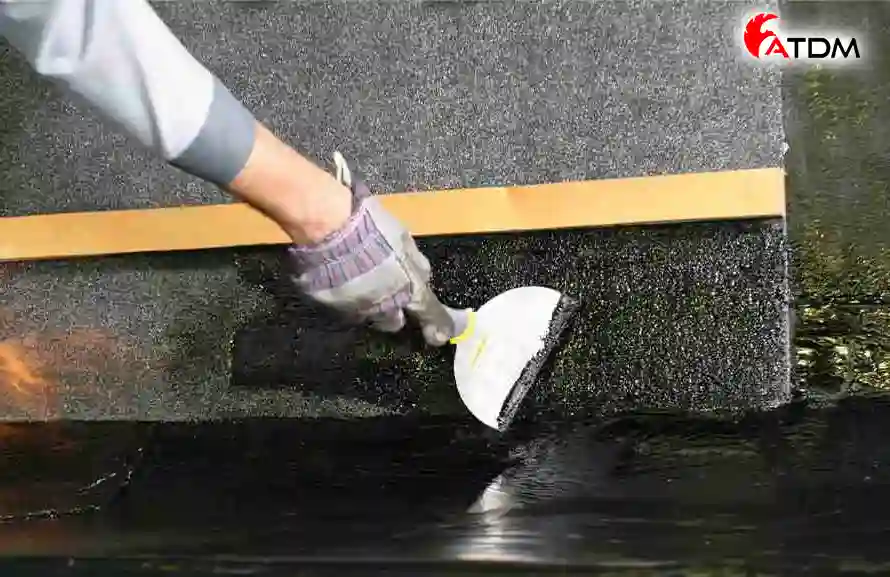
When comparing 3mm vs 4mm bituminous membrane, you must focus on performance, durability, and suitability for your specific waterproofing needs. Both thicknesses play a vital role in construction and roofing systems, yet each offers unique advantages depending on the project requirements.
Let’s explore the real differences between these two membrane thickness options and help you make a confident, informed decision.
Overview of Membrane Thickness Options
Importance of Choosing the Right Thickness
Selecting the right membrane thickness directly impacts waterproofing efficiency and long-term performance. A thicker membrane often delivers better protection, while a thinner one provides flexibility and cost savings.
In the debate of 3mm vs 4mm bituminous membrane, thickness determines how well the membrane resists external stress, water penetration, and environmental damage.
Key Differences Between 3mm and 4mm Membranes
Thickness and Structural Strength
The most obvious difference between 3mm vs 4mm roofing membrane lies in thickness. A 4mm membrane provides greater structural strength and resistance to punctures. It withstands heavy loads and harsh conditions better than a 3mm variant.
On the other hand, a 3mm waterproofing membrane offers sufficient protection for lighter applications without adding unnecessary weight.
Weight and Flexibility
A 3mm membrane is lighter and more flexible, making it easier to handle during installation. It adapts well to surfaces with complex shapes.
In contrast, a 4mm bituminous sheet is heavier and slightly less flexible but delivers superior robustness.
Performance Comparison of 3mm vs 4mm Bituminous Membrane
Waterproofing Efficiency
Both membranes offer excellent waterproofing capabilities. However, when comparing 3mm vs 4mm waterproofing membrane, the thicker 4mm version provides an extra layer of protection against water infiltration.
This added thickness ensures better sealing, especially in areas exposed to heavy rainfall or standing water.
Resistance to Weather Conditions
A 4mm membrane performs better in extreme weather conditions. It resists UV rays, temperature fluctuations, and mechanical stress more effectively.
Meanwhile, a 3mm membrane works well in moderate climates where environmental stress remains minimal.
Durability and Lifespan
Long-Term Performance
Durability plays a major role in the 3mm vs 4mm bituminous membrane comparison. A 4mm membrane typically lasts longer due to its thicker composition and enhanced resistance to wear and tear.
A 3mm membrane still offers solid performance but may require earlier replacement in demanding environments.
Maintenance Requirements
Thicker membranes require less frequent maintenance. A 4mm system maintains integrity over time, reducing repair costs.
In contrast, a 3mm system may need more inspections and occasional repairs, especially in high-traffic areas.
Application Areas
Where 3mm Membranes Work Best
A 3mm membrane suits:
- Residential roofing systems
- Light-duty waterproofing projects
- Areas with low mechanical stress
- Budget-sensitive projects
Its flexibility makes it ideal for surfaces requiring easy installation.
Ideal Uses for 4mm Membranes
A 4mm membrane excels in:
Commercial and industrial buildings
Flat roofs exposed to heavy loads
Basement waterproofing
High-risk water exposure zones
Its strength makes it perfect for demanding applications.
Cost Analysis of 3mm vs 4mm Bituminous Membrane
Initial Investment
When comparing 3mm vs 4mm bituminous membrane cost, the 3mm option comes at a lower price point. It suits projects with tight budgets.
A 4mm membrane requires a higher upfront investment due to increased material usage.
Long-Term Value
Although more expensive initially, a 4mm membrane delivers better long-term value. It reduces maintenance and replacement costs.
A 3mm membrane offers short-term savings but may incur higher lifecycle expenses.
Installation Considerations
Ease of Handling
A 3mm membrane is easier to transport and install. Its lightweight structure speeds up the process and reduces labor fatigue.
A 4mm membrane requires more effort during installation due to its thickness and weight.
Labor and Time Requirements
Installing a 4mm membrane may take slightly longer, but it ensures a stronger, more reliable waterproofing system.
A 3mm membrane allows faster installation, making it ideal for quick projects.
Comparing SBS and APP Variants
Flexibility vs Heat Resistance
Both 3mm and 4mm membranes come in SBS (Styrene-Butadiene-Styrene) and APP (Atactic Polypropylene) variants.
- SBS membranes offer superior flexibility and perform well in cold climates
- APP membranes provide excellent heat resistance and UV protection
When analyzing 3mm vs 4mm modified bitumen membrane, combining thickness with the right modifier enhances performance significantly.
Environmental and Climate Suitability
Climate plays a crucial role in choosing between 3mm vs 4mm bituminous membrane systems.
- Use 3mm membranes in mild climates with minimal stress factors
- Choose 4mm membranes for extreme weather, heavy rain, or high temperatures
Thicker membranes adapt better to challenging environmental conditions.
Choosing the Right Option for Your Project
Selecting between 3mm vs 4mm bituminous membrane depends on several factors:
Project type
Budget
Climate conditions
Expected lifespan
Load and traffic exposure
If you need a lightweight, cost-effective solution, go for 3mm. If durability and strength matter more, 4mm stands out as the better choice.
Why Choose ATDM as Your Bituminous Membrane Supplier
ATDM stands out as a trusted supplier of high-quality bituminous membranes. They provide both 3mm and 4mm options tailored to different project needs.
Choosing ATDM ensures:
Consistent product quality
Reliable performance
Wide product range
Professional support
Their expertise helps you select the right membrane thickness for optimal results.
FAQs about 3mm vs 4mm Bituminous Membrane
1. What is the main difference between 3mm vs 4mm bituminous membrane?
The primary difference lies in thickness, where 4mm offers better durability and strength, while 3mm provides flexibility and cost efficiency.
2. Which membrane lasts longer, 3mm or 4mm?
A 4mm membrane generally lasts longer due to its thicker composition and enhanced resistance to damage.
3. Is 3mm membrane enough for waterproofing?
Yes, a 3mm membrane works well for light-duty applications and residential projects with minimal stress.
4. When should I choose a 4mm membrane?
Choose a 4mm membrane for heavy-duty applications, commercial buildings, and areas exposed to harsh conditions.
5. Does thicker membrane mean better waterproofing?
In most cases, yes. A thicker membrane provides better protection against water penetration and environmental damage.
6. Is there a big price difference between 3mm and 4mm membranes?
Yes, 4mm membranes cost more initially, but they offer better long-term value.
Conclusion
The comparison of 3mm vs 4mm bituminous membrane ultimately comes down to performance needs and budget. A 3mm membrane delivers flexibility and affordability, making it ideal for lighter applications. Meanwhile, a 4mm membrane provides superior durability, strength, and long-term reliability.
By understanding these differences and working with a trusted supplier like ATDM, you can confidently choose the right waterproofing solution for your project.