
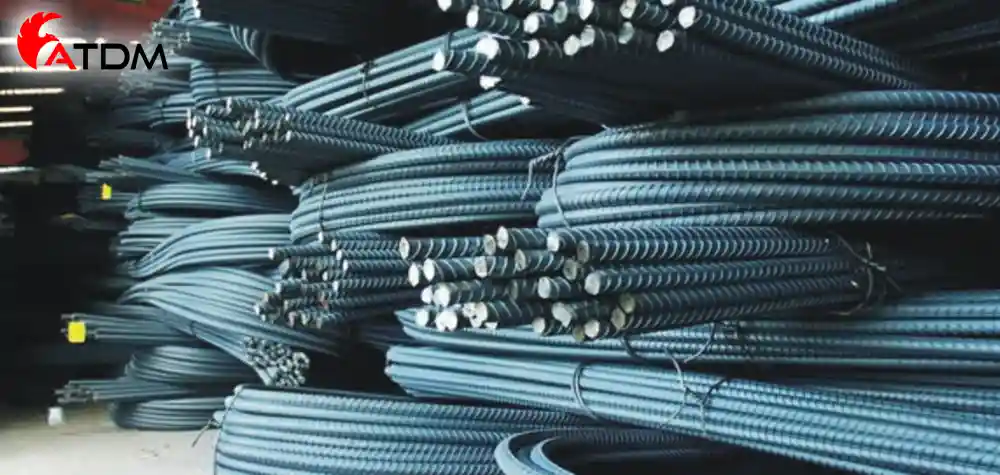
When comparing TMT bars vs rebar, the discussion goes far beyond simple material selection. This topic plays a critical role in construction quality, safety, and long-term structural performance. Builders, engineers, and contractors consistently evaluate these two reinforcement options to ensure they deliver strength, flexibility, and resilience under varying conditions.
The comparison between TMT bars vs rebar often influences decisions in residential, commercial, and infrastructure projects. Each option offers distinct characteristics that affect how structures respond to stress, environmental conditions, and time.
Understanding the Core Differences in TMT Bars vs Rebar
Strength and Structural Performance
Strength remains one of the most important factors when evaluating TMT bars vs rebar. TMT bars provide higher tensile strength, which allows them to handle heavy loads without breaking. This makes them ideal for high-rise buildings and large-scale infrastructure.
Rebar, on the other hand, offers solid reinforcement but typically lacks the advanced strength characteristics found in TMT bars. This difference directly impacts structural reliability, especially in demanding environments.
Flexibility and Bendability
Flexibility plays a vital role in construction. TMT bars exhibit superior flexibility, allowing them to bend without cracking. This property helps absorb shocks during seismic activity or sudden load changes.
Rebar can bend, but it often shows less flexibility compared to TMT bars. This limitation may reduce its effectiveness in earthquake-prone areas.
Durability and Longevity in TMT Bars vs Rebar
Corrosion Resistance
Durability heavily depends on resistance to corrosion. TMT bars include enhanced surface properties that resist rust and moisture damage. This feature extends the lifespan of structures significantly.
Rebar tends to corrode more easily, especially when exposed to moisture or chemicals. Over time, corrosion weakens the structure and increases maintenance costs.
Temperature Resistance
TMT bars perform well under high temperatures. Their outer layer remains strong even when exposed to extreme heat, making them suitable for fire-prone environments.
Rebar does not provide the same level of heat resistance. This difference can affect structural safety during fire incidents.
Safety Considerations in TMT Bars vs Rebar
Safety stands at the center of every construction project. TMT bars offer enhanced safety due to their superior strength, flexibility, and thermal resistance. These qualities reduce the risk of structural failure.
Rebar provides basic reinforcement but may not deliver the same level of safety in extreme conditions. Engineers often consider this factor when selecting materials for critical structures.
Cost Efficiency and Value
Initial Investment vs Long-Term Savings
Cost plays a crucial role in the TMT bars vs rebar debate. TMT bars may come with a slightly higher upfront cost, but they deliver long-term savings through reduced maintenance and increased durability.
Rebar often appears more affordable initially. However, higher maintenance costs and shorter lifespan can increase overall expenses.
Material Efficiency
TMT bars require less material to achieve the same strength levels. This efficiency reduces waste and optimizes construction budgets.
Rebar may require more quantity to match the performance of TMT bars, which can increase material costs over time.
Environmental Impact of TMT Bars vs Rebar
Sustainability Factors
TMT bars support sustainable construction practices. Their durability reduces the need for frequent replacements, which minimizes resource consumption.
Rebar, due to its shorter lifespan in certain conditions, may contribute to higher material usage and environmental impact.
Energy Efficiency in Production
Modern manufacturing processes for TMT bars often focus on energy efficiency. This reduces the carbon footprint associated with production.
Rebar production may not always follow the same advanced processes, depending on the manufacturer.
Applications in Construction Projects
Modern Infrastructure Needs
TMT bars dominate modern construction due to their adaptability and performance. They work well in bridges, highways, and high-rise buildings.
Rebar still finds use in smaller projects and basic construction where advanced performance is not required.
Urban Development Trends
As cities grow, the demand for stronger and more reliable materials increases. TMT bars align with these demands by offering enhanced safety and durability.
Rebar continues to serve traditional construction needs but may not meet the expectations of modern infrastructure development.
Role of Reliable Suppliers
Choosing the right supplier matters just as much as choosing the right material. A trusted supplier ensures consistent quality and compliance with industry standards.
One notable supplier in this space is ATDM, known for delivering high-quality reinforcement materials. ATDM supplies both TMT bars and Rebar, supporting construction projects with reliable and durable solutions.
Working with a dependable supplier like ATDM ensures that builders receive materials that meet performance expectations and safety requirements.
Performance Comparison Table
| Feature | TMT Bars | Rebar |
|---|---|---|
| Strength | High | Moderate |
| Flexibility | Excellent | Limited |
| Corrosion Resistance | Strong | Weak |
| Heat Resistance | High | Moderate |
| Lifespan | Long | Shorter |
| Cost Efficiency | High (long-term) | Moderate |
Why the Choice Matters
Selecting between TMT bars vs rebar directly affects structural integrity, safety, and cost efficiency. Builders must consider environmental conditions, project scale, and long-term performance when making this decision.
TMT bars provide advanced features that align with modern construction standards. Rebar continues to serve as a basic reinforcement option but may not deliver the same level of performance in demanding situations.
Industry Trends in TMT Bars vs Rebar
Shift Toward Advanced Materials
The construction industry increasingly favors TMT bars due to their superior properties. This shift reflects the growing need for safer and more durable structures.
Innovation in Steel Reinforcement
Manufacturers continue to improve reinforcement materials. TMT bars benefit from these innovations, while traditional Rebar evolves at a slower pace.
Common Challenges in Material Selection
Choosing between TMT bars vs rebar can be challenging. Factors such as budget constraints, project requirements, and environmental conditions influence the decision.
Builders must carefully evaluate these aspects to ensure optimal results.
Future Outlook of TMT Bars vs Rebar
The future of construction clearly leans toward advanced materials like TMT bars. Their ability to meet modern safety and durability standards makes them a preferred choice.
Rebar will likely remain in use for simpler projects, but its role may gradually decline as construction demands evolve.
Frequently Asked Questions TMT Bars vs Rebar
1. Which is better in TMT bars vs rebar?
TMT bars generally perform better due to higher strength, flexibility, and durability.
2. Are TMT bars more expensive than rebar?
They may cost more initially, but they offer better long-term value.
3. Can rebar still be used in construction?
Yes, Rebar is still used, especially in smaller or less demanding projects.
4. Why are TMT bars preferred in modern construction?
Their superior performance and safety features make them ideal for modern structures.
5. Does corrosion affect rebar more than TMT bars?
Yes, rebar is more prone to corrosion compared to TMT bars.
6. Where can I source quality reinforcement materials?
Reliable suppliers like ATDM provide both TMT bars and Rebar for construction needs.
Conclusion
The comparison of TMT bars vs rebar highlights clear differences in strength, durability, safety, and cost efficiency. TMT bars stand out as the preferred choice for modern construction, offering advanced features that ensure long-term performance.
Rebar continues to serve as a basic reinforcement option, but it may not meet the demands of complex and large-scale projects. Builders and engineers must carefully assess their requirements to choose the most suitable material.
Partnering with trusted suppliers like ATDM ensures access to high-quality materials that support safe and durable construction outcomes.