
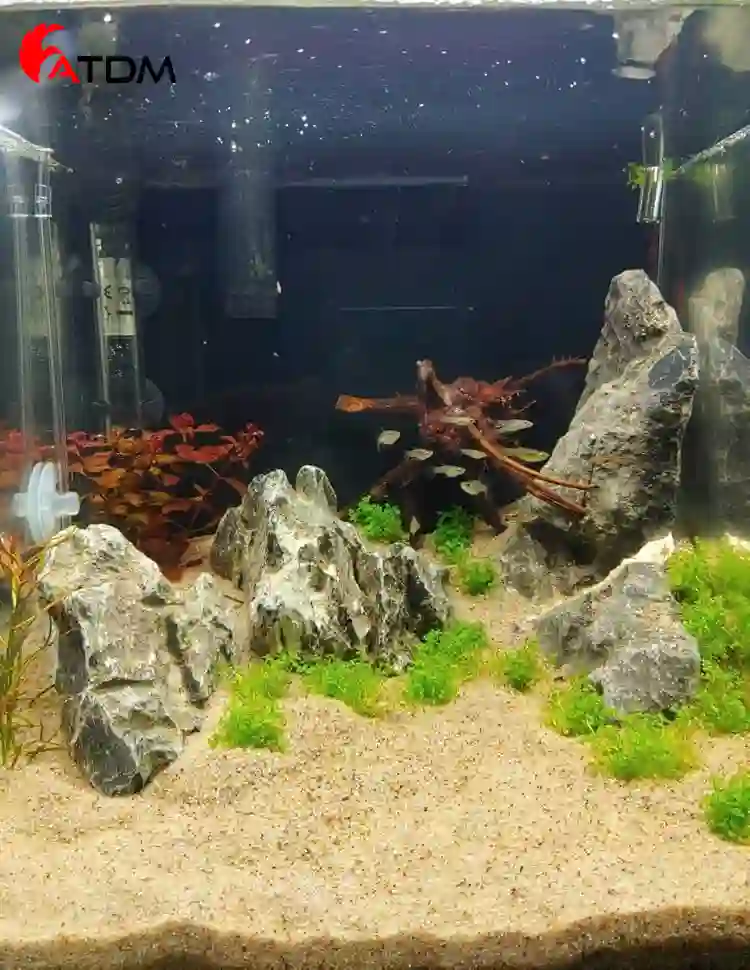
Silica sand for aquarium substrate has become a popular choice among aquarium enthusiasts who want a natural, clean, and cost-effective base for their tanks. Whether you’re setting up a freshwater aquarium or designing a visually appealing aquascape, silica sand offers a practical solution that balances aesthetics with functionality. This guide explores everything you need to know about silica sand for aquarium substrate, including its benefits, safety considerations, and best practices for use.
Key Benefits of Using Silica Sand for Aquarium Substrate
1. Natural Appearance
Silica sand gives aquariums a realistic and aesthetically pleasing look. Its fine texture and light color resemble riverbeds and natural habitats, making fish feel more at home.
2. Fish-Friendly Texture
Unlike sharp gravel, silica sand has a smooth surface. This makes it safe for bottom-dwelling fish such as catfish, loaches, and cichlids that like to dig or sift through the substrate.
3. Easy Maintenance
Silica sand is easy to clean and maintain. Waste tends to stay on top of the sand rather than sinking deep into it, allowing for quick removal during routine cleaning.
4. Cost-Effective Option
Compared to specialized aquarium substrates, silica sand is often more affordable while still delivering excellent performance.
5. Versatility
Silica sand works well in a variety of aquarium setups, including freshwater tanks, planted aquariums, and even some marine environments.
Is Silica Sand Safe for Aquariums?
One of the most common concerns about silica sand for aquarium substrate is safety. The good news is that silica sand is generally safe when used correctly.
Silica sand does not dissolve in water and does not significantly alter water chemistry. This makes it suitable for most freshwater fish and plants. However, it is essential to ensure that the sand is clean and free from contaminants before adding it to your tank.
How to Prepare Silica Sand for Aquarium Use
Proper preparation is crucial when using silica sand in your aquarium. Follow these steps to ensure a safe and clean setup:
Step 1: Rinse Thoroughly
Place the silica sand in a large container and rinse it multiple times with clean water. This removes dust and fine particles that could cloud the aquarium.
Step 2: Check for Impurities
Inspect the sand for any unwanted debris or foreign materials. High-quality silica sand from trusted suppliers like ATDM ensures better consistency and cleanliness.
Step 3: Add Gradually
Pour the rinsed sand gently into the aquarium to avoid disturbing the water. Use a plate or bowl to diffuse the flow and prevent cloudiness.
Best Practices for Using Silica Sand in Aquariums
Maintain Proper Depth
A substrate depth of 1–2 inches is ideal for most aquariums. This allows for easy cleaning while still supporting plant roots if needed.
Avoid Over-Compaction
Silica sand can compact over time, which may limit oxygen flow. Stir the sand occasionally to prevent anaerobic pockets.
Use Proper Filtration
A good filtration system helps keep the aquarium clean and prevents fine particles from circulating in the water.
Monitor Fish Behavior
Observe how your fish interact with the substrate. Many species enjoy digging and sifting through silica sand, which promotes natural behavior.
Silica Sand vs. Other Substrates
| Feature | Silica Sand | Gravel | Specialized Substrates |
|---|---|---|---|
| Texture | Fine and smooth | Coarse | Varies |
| Cost | Low | Moderate | High |
| Maintenance | Easy | Moderate | Depends on type |
| Plant Support | Moderate | Low | High |
| Appearance | Natural and bright | Varied | Designed aesthetics |
Silica sand stands out as a balanced option that combines affordability, safety, and visual appeal.
Common Misconceptions About Silica Sand
“Silica Sand Raises pH Levels”
This is a myth. Pure silica sand is chemically inert and does not significantly affect pH levels.
“It Is Harmful to Fish”
When properly cleaned and used, silica sand is safe for most fish species.
“It Is Difficult to Maintain”
In reality, silica sand is one of the easiest substrates to maintain due to its non-porous nature.
Choosing High-Quality Silica Sand
Not all silica sand is the same. Quality matters when selecting a substrate for your aquarium. Look for sand that is:
Free from contaminants
Uniform in grain size
Washed and processed for purity
Reliable suppliers like ATDM provide high-quality silica sand suitable for aquarium use and other applications.
Enhancing Aquarium Aesthetics with Silica Sand
Silica sand can transform the look of your aquarium. Its bright, clean color creates a striking contrast with plants, rocks, and fish. You can also combine it with decorative elements such as driftwood or stones to create a unique aquascape.
Additionally, silica sand reflects light effectively, making your aquarium appear brighter and more vibrant.
Silica Sand in Planted Aquariums
While silica sand does not contain nutrients, it can still be used in planted aquariums with proper supplementation. Adding root tabs or liquid fertilizers ensures that plants receive the nutrients they need to thrive.
The fine texture of silica sand also helps anchor plant roots, providing stability and support.
Maintenance Tips for Long-Term Use
Keeping silica sand in good condition requires regular care:
Perform routine water changes
Use a siphon to remove debris from the surface
Stir the sand occasionally to prevent compaction
Avoid overfeeding fish to reduce waste buildup
With consistent maintenance, silica sand can remain clean and effective for years.
Environmental and Practical Advantages
Silica sand is an environmentally friendly choice because it is abundant and does not require complex processing. Its durability means you won’t need to replace it frequently, reducing waste and long-term costs.
Final Thoughts
Silica sand for aquarium substrate is a reliable and versatile option for both beginners and experienced aquarists. Its natural appearance, fish-friendly texture, and ease of maintenance make it an excellent choice for a wide range of aquarium setups.
By sourcing high-quality silica sand from trusted suppliers like ATDM and following proper preparation and maintenance practices, you can create a safe, beautiful, and thriving aquatic environment.