
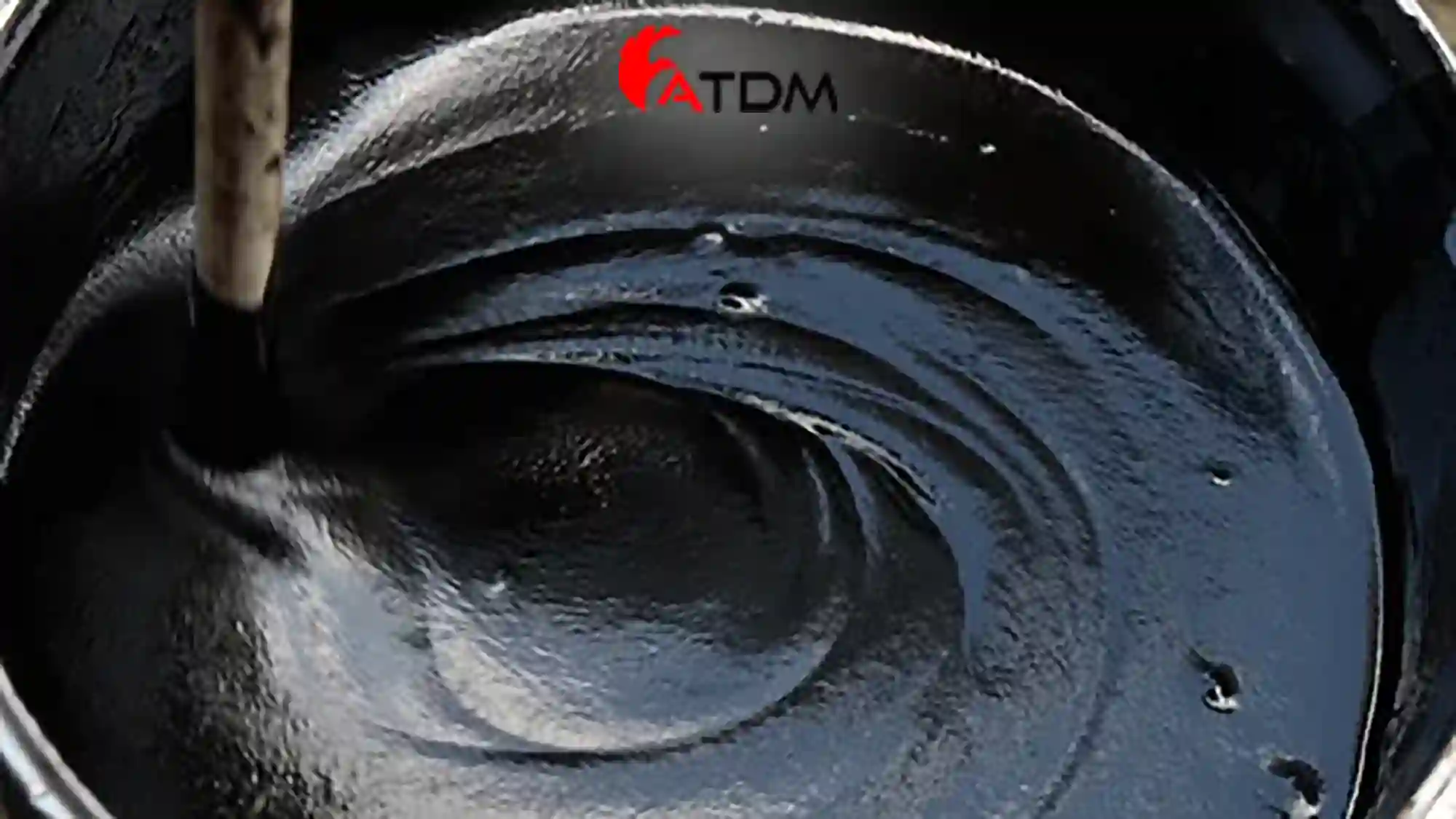
The bitumen temperature range directly affects the quality, durability, and strength of asphalt pavements. Engineers, contractors, and asphalt plant operators carefully monitor bitumen temperatures during storage, mixing, transportation, and application. Proper temperature control improves road performance, reduces cracking, and extends pavement life.
Today, the construction industry uses different types of bitumen for highways, airport runways, waterproofing systems, and industrial paving projects. Each grade requires a specific heating and application temperature to achieve maximum efficiency.
In this guide, you will learn everything about bitumen temperature range, including heating temperatures, mixing temperatures, spraying temperatures, and storage recommendations. You will also discover why ATDM is a trusted supplier of premium bitumen grades for global infrastructure projects.
Understanding Bitumen Temperature Range
Bitumen is a highly viscous petroleum-based material. Its viscosity changes significantly with temperature. When the temperature rises, bitumen becomes fluid and easy to handle. However, when temperatures drop, bitumen hardens and loses flexibility.
Therefore, maintaining the correct bitumen heating temperature becomes essential for successful asphalt production and paving operations.
The ideal bitumen temperature range generally falls between:
| Process | Temperature Range |
|---|---|
| Storage Temperature | 120°C – 160°C |
| Mixing Temperature | 150°C – 180°C |
| Spraying Temperature | 160°C – 190°C |
| Compaction Temperature | 90°C – 140°C |
These values vary depending on the bitumen grade, viscosity grade, and project requirements.
Why Bitumen Temperature Matters in Asphalt Performance
Temperature directly influences asphalt workability and pavement durability. Proper heating ensures smooth coating of aggregates and strong bonding in asphalt mixtures.
Effects of Overheating Bitumen
Excessive heating damages bitumen properties. It causes oxidation and aging, which reduce elasticity and flexibility. As a result, roads become brittle and develop cracks much faster.
Overheating can also:
- Increase smoke emissions
- Raise energy consumption
- Reduce pavement lifespan
- Damage polymer-modified additives
Therefore, asphalt plants always monitor the safe bitumen temperature range during production.
Problems Caused by Low Bitumen Temperature
Low temperatures create handling difficulties. Bitumen becomes too thick to pump or spray effectively. Inadequate heating also prevents proper coating of aggregates.
Consequently, contractors may experience:
- Weak asphalt bonding
- Poor compaction
- Reduced skid resistance
- Premature potholes
- Uneven pavement surfaces
For this reason, engineers maintain optimal asphalt temperature specifications throughout construction operations.
Standard Bitumen Heating Temperature
The standard bitumen heating temperature depends on viscosity and application type. Most paving-grade bitumen requires heating between 150°C and 170°C.
Proper heating improves:
- Pumpability
- Mixing efficiency
- Aggregate coating
- Spraying consistency
However, operators should avoid heating bitumen beyond 190°C because excessive temperatures accelerate oxidation.
Recommended Storage Temperature for Bitumen
Storage tanks maintain bitumen in a semi-fluid condition. Typically, storage temperatures range from 120°C to 160°C.
Modern facilities use insulated tanks and automatic heating systems to maintain stable temperatures. Continuous circulation also prevents localized overheating.
Safe Pumping Temperature Range
Bitumen pumping temperature usually ranges from 135°C to 160°C. At this temperature, viscosity decreases enough for smooth transfer through pipelines and pumps.
Efficient pumping reduces operational downtime and improves asphalt plant productivity.
Bitumen Mixing Temperature in Asphalt Plants
The bitumen mixing temperature significantly impacts asphalt quality. During asphalt production, heated aggregates combine with hot bitumen to form a uniform mixture.
Hot Mix Asphalt Temperature
Hot Mix Asphalt (HMA) remains the most widely used paving material worldwide. Contractors generally mix HMA at temperatures between 150°C and 180°C.
This temperature range provides:
- Excellent aggregate coating
- Better workability
- Strong pavement strength
- Improved compaction
Moreover, hot mix asphalt performs exceptionally well in highways and heavy-traffic roads.
Warm Mix Asphalt Temperature
Warm Mix Asphalt (WMA) uses lower temperatures compared to traditional HMA. Production usually occurs between 110°C and 140°C.
This process offers several benefits:
- Lower fuel consumption
- Reduced greenhouse gas emissions
- Safer working conditions
- Extended hauling distance
As sustainability becomes more important, many contractors now prefer warm mix technologies.
Cold Mix Asphalt Applications
Cold mix asphalt uses emulsified bitumen without high-temperature heating. Contractors commonly use it for temporary repairs and low-traffic roads.
Although cold mix provides convenience, it lacks the strength and durability of hot mix asphalt.
Bitumen Application Temperature for Road Construction
The bitumen application temperature determines how effectively the binder adheres to aggregates and pavement surfaces.
Spraying Temperature for Bitumen
Bitumen spraying temperatures typically range from 160°C to 190°C depending on viscosity and weather conditions.
Uniform spraying ensures:
- Strong surface bonding
- Better waterproofing
- Improved pavement durability
Additionally, proper spraying prevents binder wastage and uneven application.
Compaction Temperature of Asphalt
Compaction must occur before asphalt cools excessively. Most asphalt mixtures require compaction between 90°C and 140°C.
Proper compaction improves:
- Pavement density
- Structural stability
- Water resistance
- Load-bearing capacity
Therefore, contractors closely monitor asphalt cooling rates during paving operations.
Different Bitumen Grades and Their Temperature Ranges
Different bitumen grades require different handling temperatures. Engineers select grades based on climate conditions and traffic loads.
Penetration Grade Bitumen
Penetration grade bitumen commonly includes grades such as 60/70 and 80/100.
Typical temperature ranges include:
| Grade | Mixing Temperature |
|---|---|
| 60/70 Bitumen | 150°C – 165°C |
| 80/100 Bitumen | 140°C – 160°C |
These grades work well in moderate climate conditions.
VG Grade Bitumen
Viscosity Grade (VG) bitumen provides better performance under heavy traffic.
Common VG grades include:
- VG-10
- VG-20
- VG-30
- VG-40
VG-30 and VG-40 usually require higher mixing and spraying temperatures because of their increased viscosity.
Polymer Modified Bitumen
Polymer Modified Bitumen (PMB) contains additives that improve elasticity and durability.
PMB generally requires:
- Higher heating temperatures
- Continuous agitation
- Careful storage management
Despite stricter handling requirements, PMB delivers superior resistance against rutting and cracking.
Factors Affecting Bitumen Temperature Range
Several factors influence the ideal bitumen temperature during construction operations.
Climate Conditions
Cold weather increases asphalt cooling speed. Consequently, contractors may require higher mixing temperatures in winter conditions.
In contrast, hot climates allow easier handling at lower temperatures.
Bitumen Viscosity
Highly viscous grades require more heating to achieve proper flow characteristics.
Therefore, VG-40 usually needs higher temperatures than VG-10.
Transportation and Storage
Long transportation distances cause temperature loss. Insulated tankers and heated storage systems help maintain stable temperatures during delivery.
Importance of Temperature Control in Bitumen Handling
Accurate temperature control improves both safety and performance. Modern asphalt plants use digital sensors and automated monitoring systems to maintain consistent heating conditions.
Proper control helps operators:
- Prevent material degradation
- Reduce fuel costs
- Improve asphalt quality
- Minimize environmental impact
Furthermore, controlled temperatures extend equipment life and reduce maintenance expenses.
How ATDM Supplies Quality Bitumen Grades
ATDM is a reliable supplier of high-quality bitumen products for infrastructure and road construction projects. The company supplies a wide range of bitumen grades, including:
- Penetration Grade Bitumen
- VG Grade Bitumen
- Polymer Modified Bitumen
- Bitumen Emulsions
- Oxidized Bitumen
ATDM follows strict quality standards to ensure stable viscosity, excellent performance, and proper temperature handling characteristics.
Additionally, ATDM provides technical support and efficient logistics services to meet international construction requirements. Contractors and infrastructure developers trust ATDM for consistent product quality and dependable supply solutions.
For more information about bitumen technologies and asphalt standards, visit the Asphalt Institute.
Best Practices for Maintaining Ideal Bitumen Temperature
Construction professionals follow several best practices to maintain the correct bitumen temperature range.
Use Insulated Storage Tanks
Insulated tanks minimize heat loss and reduce energy consumption.
Monitor Temperature Continuously
Digital sensors provide accurate real-time monitoring during heating, storage, and transportation.
Avoid Repeated Heating Cycles
Repeated heating accelerates oxidation and decreases bitumen quality.
Maintain Proper Mixing Time
Correct mixing duration ensures uniform aggregate coating without overheating the binder.
Train Equipment Operators
Well-trained operators improve safety and maintain consistent asphalt quality.
Frequently Asked Questions
What is the ideal bitumen temperature range?
The ideal bitumen temperature range usually falls between 120°C and 180°C depending on storage, mixing, and application requirements.
Why is bitumen heated before use?
Heating reduces viscosity, improves flow properties, and allows efficient mixing with aggregates.
What happens if bitumen overheats?
Overheating causes oxidation, hardening, reduced elasticity, and premature pavement cracking.
What is the standard asphalt mixing temperature?
Hot mix asphalt generally requires temperatures between 150°C and 180°C.
How does weather affect bitumen temperature?
Cold weather increases cooling rates, while hot weather helps maintain workability for longer periods.
Which company supplies quality bitumen grades?
ATDM supplies high-quality bitumen grades for road construction and industrial applications worldwide.
Conclusion
The bitumen temperature range remains one of the most important factors in asphalt production and road construction. Proper temperature control improves pavement durability, enhances workability, and reduces long-term maintenance costs.
From storage and pumping to mixing and compaction, every stage requires accurate heating management. Contractors who maintain optimal temperatures achieve stronger roads, smoother surfaces, and better overall project performance.
Moreover, selecting a trusted supplier like ATDM ensures consistent bitumen quality and reliable performance across different construction environments. As global infrastructure projects continue to grow, proper temperature management will remain essential for achieving durable and sustainable pavements