
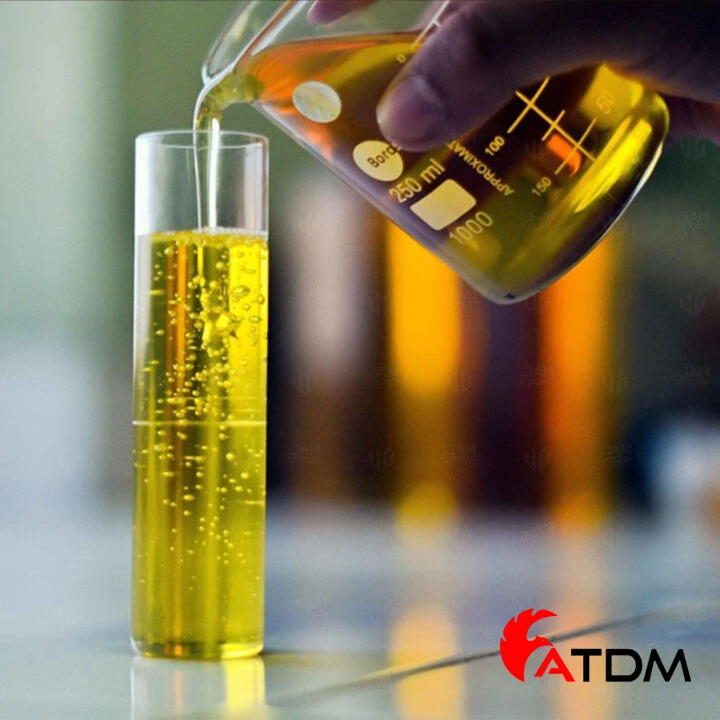
Choosing between Virgin Base Oil vs Recycled Base Oil can significantly affect lubricant performance, production cost, product consistency, environmental impact, and final market positioning. Although both materials can serve as feedstocks for automotive, industrial, hydraulic, marine, and general-purpose lubricants, their performance depends heavily on refining quality, contamination control, viscosity stability, and application requirements.
For lubricant manufacturers, traders, and industrial buyers, the comparison is therefore not simply about choosing the cheaper option. Instead, buyers should evaluate viscosity index, oxidation stability, sulfur content, volatility, color, purity, additive compatibility, availability, and long-term operating conditions.
This guide compares Virgin Base Oil vs Recycled Base Oil across the most important technical and commercial factors.
Virgin Base Oil vs Recycled Base Oil: Main Differences
| Comparison Factor | Virgin Base Oil | Recycled Base Oil |
|---|---|---|
| Feedstock consistency | Generally highly consistent | Depends strongly on recycling technology |
| Purity | Usually higher | Can be high after advanced re-refining |
| Color | Usually lighter | Often slightly darker |
| Contaminants | Very low | Quality depends on treatment |
| Oxidation stability | Typically strong | Depends on refining level |
| Viscosity consistency | Highly controlled | May vary between suppliers |
| Price | Usually higher | Often more economical |
| Environmental impact | Higher dependence on crude refining | Supports oil recovery and reuse |
| Availability | Linked to refinery production | Linked to used oil collection and re-refining |
| Premium lubricant suitability | Commonly preferred | Depends on specifications |
| Industrial lubricant use | Excellent | Often highly suitable |
| Sustainability advantage | Lower | Higher |
Performance Consistency
One of the largest differences in the Virgin Base Oil vs Recycled Base Oil comparison is batch consistency.
Virgin materials normally come from controlled refinery processes. Manufacturers can therefore obtain relatively predictable viscosity, color, flash point, pour point, volatility, sulfur level, and viscosity index.
Recycled material quality depends much more heavily on the re-refining process.
Advanced re-refining technologies can remove:
Water
Fuel residues
Oxidation products
Sludge
Metals
Carbon residues
Used lubricant additives
Mechanical contaminants
However, low-quality recycling processes may leave impurities that affect the final lubricant.
For this reason, buyers should compare technical specifications rather than choosing material based only on whether it is virgin or recycled.
SN150 Performance Comparison
For manufacturers using Base Oil SN150, viscosity stability and color are often important purchasing factors.
Virgin SN150 generally provides excellent batch consistency, making it suitable for applications where predictable lubricant formulation is essential.
Re-refined alternatives can also perform well when produced using modern vacuum distillation, hydrotreating, solvent extraction, or similar purification technologies.
Important parameters to compare include:
Kinematic viscosity at 40°C
Kinematic viscosity at 100°C
Viscosity index
Flash point
Pour point
Color
Sulfur content
For many general industrial lubricant applications, high-quality recycled SN150 can provide an economical alternative when the material meets the required specification.
Purity and Contamination
Purity remains one of the most important purchasing criteria when evaluating Virgin Base Oil vs Recycled Base Oil.
Virgin grades normally contain very low levels of unwanted contaminants because they come directly from refinery processing.
Recycled grades have already experienced previous service conditions. Therefore, the effectiveness of the purification process becomes critical.
Modern re-refining facilities can significantly reduce contamination. Nevertheless, purchasers should request a certificate of analysis before placing large orders.
Particular attention should be paid to:
Water content
Ash content
Carbon residue
Metal contamination
Insoluble particles
Acid number
Sulfur
Flash point
A properly treated recycled base oil can achieve specifications suitable for many lubricant formulations.
SN500 in Lubricant Manufacturing
Base Oil SN500 is widely used where higher viscosity is required.
When comparing virgin and recycled SN500, formulators usually focus on viscosity stability, oxidation resistance, flash point, and compatibility with additive packages.
Virgin SN500 normally provides very predictable characteristics. Therefore, manufacturers producing standardized branded lubricants may prefer virgin material when strict formulation consistency is required.
Recycled SN500 can be attractive for:
General industrial oils
Gear lubricant formulations
Multipurpose oils
Machinery lubricants
Certain automotive lubricants
Blended industrial products
However, actual suitability should always depend on laboratory specifications rather than product origin alone.
Oxidation Stability
Oxidation resistance directly affects lubricant service life.
Virgin base oils generally offer reliable oxidation stability because their molecular composition and contaminant levels are tightly controlled.
Recycled oils can also achieve strong oxidation performance after proper re-refining. However, insufficient treatment can leave oxidation products or reactive compounds that accelerate lubricant degradation.
Poor oxidation stability can result in:
Sludge formation
Increased acidity
Viscosity changes
Deposit formation
Shorter oil replacement intervals
Therefore, lubricant manufacturers should evaluate oxidation test results when comparing suppliers.
Color and Appearance: Virgin Base Oil vs Recycled Base Oil
Color can influence purchasing decisions even when it does not directly determine lubricant performance.
Virgin oils are commonly lighter and more visually consistent.
Recycled oils may have a slightly darker appearance depending on the re-refining process and feedstock quality.
For applications such as industrial lubricants where appearance is less important, this difference may have little commercial impact.
However, manufacturers producing premium packaged lubricants often prefer lighter base stocks because customers may associate lighter color with higher purity.
Virgin Base Oil vs Recycled Base Oil Cost Comparison
Price is one of the strongest reasons manufacturers consider recycled material.
Virgin base oil pricing depends on:
Crude oil prices
Refinery operating rates
Regional supply
Base oil group
Freight costs
Export availability
Market demand
Recycled base oil can sometimes provide lower raw material costs because the feedstock comes from recovered lubricants instead of direct crude refining.
However, buyers should avoid choosing recycled products based only on low price.
Extremely cheap material may indicate insufficient treatment, inconsistent feedstock, high contaminants, or limited quality control.
Therefore, the best commercial comparison considers both purchase price and expected lubricant performance.
SN650 for Higher-Viscosity Applications
When higher viscosity is necessary, Base Oil SN650 can be incorporated into several lubricant formulations.
Virgin SN650 generally provides stable viscosity and reliable blending characteristics.
Re-refined SN650 can also work effectively in suitable industrial applications when it meets required technical parameters.
Buyers should particularly check:
Viscosity at 40°C
Viscosity at 100°C
Viscosity index
Flash point
Pour point
Density
Color
Carbon residue
Because recycled material can vary between producers, obtaining a current technical data sheet is especially important.
Additive Compatibility: Virgin Base Oil vs Recycled Base Oil
Lubricant manufacturers rarely use base oil alone. They combine it with antioxidant, detergent, dispersant, anti-wear, viscosity modifier, corrosion inhibitor, and other additive systems.
Virgin base oils normally provide predictable additive response.
With recycled oil, compatibility depends on how effectively previous additive residues were removed during re-refining.
High-quality re-refined oils generally allow proper additive blending, while poorly processed products may create unpredictable formulation behavior.
Pilot blending and laboratory testing are therefore recommended when changing raw material suppliers.
Environmental Comparison
Environmental impact has become another major factor in the Virgin Base Oil vs Recycled Base Oil debate.
Recycling used lubricating oil reduces the amount of waste oil requiring disposal while recovering valuable hydrocarbon resources.
Re-refining can therefore support circular-economy objectives by returning used oil to productive industrial applications.
Virgin base oil, in contrast, requires additional crude petroleum extraction and refining.
For companies developing sustainability programs, recycled material can therefore provide an environmental advantage, provided that its technical performance meets the required standards.
Bright Stock and Heavy-Duty Lubrication
Bright Stock is commonly selected for formulations requiring very high viscosity and strong lubricating film characteristics.
In demanding applications, consistency becomes particularly important.
Virgin Bright Stock is generally preferred where manufacturers require tightly controlled properties for heavy-duty lubricant production.
Recycled heavy base stocks may also be suitable for selected industrial applications, although buyers should pay particular attention to:
Viscosity
Carbon residue
Oxidation stability
Flash point
Contamination
Color
For critical machinery, specifications and lubricant testing should always determine material selection.
Flash Point and Volatility: Virgin Base Oil vs Recycled Base Oil
Flash point is another important safety and performance indicator.
Virgin products normally offer predictable flash point ranges because refining conditions remain controlled.
Poorly processed recycled material can contain residual fuel fractions that reduce flash point.
A low flash point may indicate contamination with lighter hydrocarbons.
Therefore, purchasers should confirm flash point results before accepting large shipments of recycled base oil.
Volatility also affects oil consumption, lubricant stability, and performance at elevated temperatures.
Viscosity Index
Viscosity index indicates how strongly oil viscosity changes as temperature changes.
Higher consistency across temperature ranges is particularly important in automotive and machinery applications exposed to varying operating conditions.
Virgin base oils generally provide stable and documented viscosity index values.
Recycled oils can achieve comparable ranges when processed using advanced re-refining technologies, although specifications should be verified for every grade and supplier.
Application Suitability
Neither option should automatically be considered suitable for every application.
Virgin material is commonly selected when manufacturers require:
Premium lubricant production
Tight formulation control
Consistent batch performance
Low contamination levels
High visual clarity
Strict OEM specifications
Recycled material can be especially attractive for:
Industrial lubricants
General machinery oils
Process oils
Certain hydraulic oils
Gear lubricants
Cost-sensitive formulations
Sustainability-focused lubricant production
Actual suitability depends on the final lubricant specification.
Supply Consistency
Large lubricant manufacturers often need continuous monthly shipments.
Virgin supply generally benefits from established refinery production and international trading infrastructure.
Recycled oil availability depends partly on used oil collection systems and re-refining capacity.
Reliable re-refiners can provide stable commercial quantities, although supply consistency may vary more between regions.
Long-term contracts and regular quality testing can help manufacturers reduce this risk.
Quality Documentation
Documentation is essential for both products.
Buyers should request:
Technical Data Sheet
Safety Data Sheet
Certificate of Analysis
Batch inspection results
Origin information
Packaging details
Loading specifications
ATDM supplies base oil grades for international buyers and lubricant manufacturers, with product selection based on required viscosity, specification, packaging, and destination market.
Packaging and Export Considerations
Both virgin and recycled base oils can be supplied using different logistics options depending on order volume and destination.
Common transportation methods include:
Flexitanks
ISO tanks
Tank trucks
IBC containers
Steel drums
Bulk transportation generally provides better economics for large-volume lubricant manufacturers.
However, drums and IBCs offer greater flexibility for smaller distributors and industrial users.
Buyers should also consider freight rates, port access, storage capacity, customs requirements, and minimum order quantities when calculating the final landed cost.
Virgin Base Oil vs Recycled Base Oil for Lubricant Manufacturers
For manufacturers focused on premium lubricant production, virgin grades generally provide easier formulation control and stronger batch-to-batch consistency.
For manufacturers focused on competitive pricing, industrial lubricants, or environmental objectives, properly re-refined oil can provide significant advantages.
The decision should therefore consider:
Target lubricant specification
Customer expectations
Application conditions
Additive system
Required viscosity
Quality consistency
Raw material budget
Environmental objectives
A technical comparison is always more reliable than choosing entirely based on origin.
Virgin Base Oil vs Recycled Base Oil: Technical Selection Checklist
Before purchasing either option, compare the following parameters:
| Parameter | Why It Matters |
|---|---|
| Viscosity at 40°C | Determines operating flow characteristics |
| Viscosity at 100°C | Indicates high-temperature behavior |
| Viscosity Index | Shows temperature-viscosity stability |
| Flash Point | Important for safety and volatility |
| Pour Point | Indicates low-temperature performance |
| Density | Useful for formulation and logistics |
| Color | Important for visual product quality |
| Sulfur Content | Influences emissions and stability |
| Carbon Residue | Indicates deposit-forming tendency |
| Water Content | Excess water can damage lubricant quality |
| Acid Number | Indicates degradation or contamination |
| Ash | Helps identify inorganic contamination |
Final Comparison: Virgin Base Oil vs Recycled Base Oil
The Virgin Base Oil vs Recycled Base Oil decision depends primarily on application requirements rather than a simple quality label.
Virgin material generally offers stronger consistency, lighter color, predictable additive response, and easier compliance with demanding lubricant specifications.
High-quality recycled base oil, however, can provide competitive performance for many industrial and automotive lubricant applications while reducing raw material costs and supporting resource recovery.
Grades such as SN150, SN500, SN650, and Bright Stock should therefore be evaluated individually according to viscosity, flash point, oxidation stability, purity, and final lubricant requirements.
For professional lubricant production, the strongest purchasing strategy is to compare current laboratory specifications, certificates of analysis, supplier consistency, and application requirements before selecting either virgin or recycled material.