
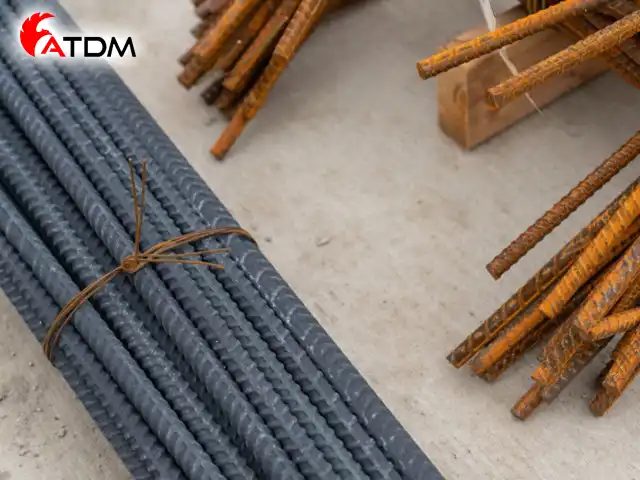
Reinforced concrete is one of the most widely used construction materials in the world. At the heart of this system lies steel reinforcement, commonly known as rebar. While rebar provides strength and structural stability, it is also vulnerable to corrosion over time. This is where rebar corrosion protection methods become essential.
Corrosion in rebar can weaken concrete, cause cracking, and ultimately lead to structural failure. That’s why engineers, builders, and suppliers such as ATDM emphasize the importance of using reliable protection techniques along with high-quality materials like Rebar B420B and Rebar A615 Grade 40.
This article explores the most effective and practical methods used today to protect rebar from corrosion, ensuring long-term performance and safety.
Understanding Rebar Corrosion and Its Impact
Rebar corrosion occurs when steel reacts with moisture, oxygen, and aggressive elements such as chlorides. This reaction forms rust, which expands and puts pressure on the surrounding concrete.
As corrosion progresses, it leads to:
Cracking and spalling of concrete
Loss of bond strength between steel and concrete
Reduced load-bearing capacity
Increased maintenance costs
Without proper protection, even high-grade materials like Rebar B420B or Rebar A615 Grade 40 can deteriorate prematurely. Therefore, selecting the right rebar corrosion protection methods is critical for every construction project.
Key Factors That Accelerate Corrosion
Before diving into protection methods, it’s important to understand what causes corrosion to worsen:
Exposure to saltwater or de-icing salts
High humidity environments
Poor concrete quality or low cover thickness
Cracks that allow water penetration
Carbonation of concrete
By identifying these risk factors early, engineers can choose the most suitable protection strategy.
Top Rebar Corrosion Protection Methods
1. Epoxy Coating
Epoxy-coated rebar is one of the most widely used solutions. A protective epoxy layer is applied to the steel surface, creating a barrier against moisture and chemicals.
Benefits:
Excellent resistance to chlorides
Cost-effective for large projects
Easy to handle and install
However, the coating must remain intact. Any damage during handling can expose the steel and lead to localized corrosion.
2. Galvanization (Zinc Coating)
Galvanized rebar is coated with a layer of zinc, which acts as a sacrificial metal. Even if the coating is scratched, the zinc continues to protect the steel underneath.
Advantages:
Long-lasting protection
Strong resistance in harsh environments
Self-healing properties
This method is ideal for bridges, marine structures, and areas with high exposure to salts.
3. Stainless Steel Rebar
Using stainless steel reinforcement is a premium solution for corrosion resistance. It contains chromium, which forms a passive protective layer on the surface.
Key Features:
Exceptional durability
Minimal maintenance
High resistance to corrosion
Although more expensive, it is often used in critical structures where longevity is essential.
4. Cathodic Protection
Cathodic protection works by controlling the electrochemical process that causes corrosion. It uses an external electrical current or sacrificial anodes to prevent rust formation.
Types:
Impressed current systems
Sacrificial anode systems
This method is commonly used in large infrastructure projects and repair works.
5. Corrosion Inhibitors
Corrosion inhibitors are chemical admixtures added to concrete. They reduce the corrosion rate by forming a protective layer on the steel surface.
Benefits:
Easy to apply during mixing
Compatible with standard construction processes
Enhances overall durability
This method is often combined with other protection strategies for better results.
6. High-Quality Concrete Cover
One of the simplest yet most effective rebar corrosion protection methods is ensuring adequate concrete cover over the steel.
Why it matters:
Acts as a physical barrier
Limits moisture and oxygen penetration
Slows down carbonation
Using dense, well-compacted concrete significantly improves resistance to environmental damage.
7. Fiber-Reinforced Polymer (FRP) Coatings
FRP coatings provide an additional protective layer over rebar, enhancing resistance to aggressive chemicals and moisture.
Advantages:
Lightweight and durable
Non-corrosive material
High strength-to-weight ratio
This modern solution is gaining popularity in advanced construction projects.
8. Use of Sealers and Waterproofing Systems
Applying sealers to the concrete surface helps prevent water infiltration, which is a major cause of corrosion.
Common options include:
Silane-based sealers
Acrylic coatings
Polyurethane membranes
These systems protect both the concrete and the embedded rebar.
Importance of Material Quality in Corrosion Protection
Even the best protection methods cannot compensate for poor-quality materials. That’s why sourcing rebar from trusted suppliers like ATDM is essential.
High-grade materials such as:
Rebar B420B
Rebar A615 Grade 40
offer improved strength, consistency, and performance. When combined with effective protection methods, they ensure long-lasting and reliable structures.
Best Practices for Implementing Protection Methods
To achieve optimal results, follow these best practices:
Handle coated rebar carefully to avoid damage
Ensure proper storage to prevent exposure before installation
Maintain correct concrete mix design
Conduct regular inspections during construction
Combine multiple protection methods for high-risk environments
These steps help maximize the effectiveness of chosen strategies.
Common Mistakes to Avoid
Many projects fail to protect rebar properly due to avoidable errors:
Using low-quality materials
Ignoring environmental conditions
Applying coatings incorrectly
Insufficient concrete cover
Lack of maintenance planning
Avoiding these mistakes can significantly extend the lifespan of structures.
Future Trends in Rebar Corrosion Protection
The construction industry continues to evolve, and new technologies are improving corrosion resistance.
Emerging trends include:
Smart coatings with self-healing properties
Nanotechnology-based inhibitors
Advanced monitoring systems for early detection
Sustainable and eco-friendly materials
These innovations promise even greater durability and efficiency in the future.
FAQs About Rebar Corrosion Protection Methods
1. What are the most effective rebar corrosion protection methods?
Epoxy coating, galvanization, cathodic protection, and corrosion inhibitors are among the most effective methods used today.
2. Why is rebar corrosion dangerous?
It weakens the structural integrity of concrete, causing cracks, spalling, and potential failure.
3. Can high-quality rebar prevent corrosion?
High-quality rebar like Rebar B420B and Rebar A615 Grade 40 improves durability, but protection methods are still necessary.
4. How does concrete cover protect rebar?
It acts as a barrier that limits exposure to moisture, oxygen, and harmful chemicals.
5. Is epoxy-coated rebar better than galvanized rebar?
Both have advantages. Epoxy is cost-effective, while galvanization offers longer-lasting protection in harsh conditions.
6. Who supplies reliable rebar materials?
Trusted suppliers like ATDM provide high-quality rebar for durable construction.
Conclusion Rebar Corrosion Protection
Choosing the right rebar corrosion protection methods is essential for building strong, durable, and safe structures. From epoxy coatings to cathodic protection, each method offers unique benefits depending on the environment and project requirements.
When combined with high-quality materials like Rebar B420B and Rebar A615 Grade 40, and sourced from reliable suppliers such as ATDM, these methods can significantly extend the lifespan of reinforced concrete structures.
By understanding corrosion risks, applying effective protection strategies, and following best practices, builders can ensure long-term performance and reduce costly repairs.