
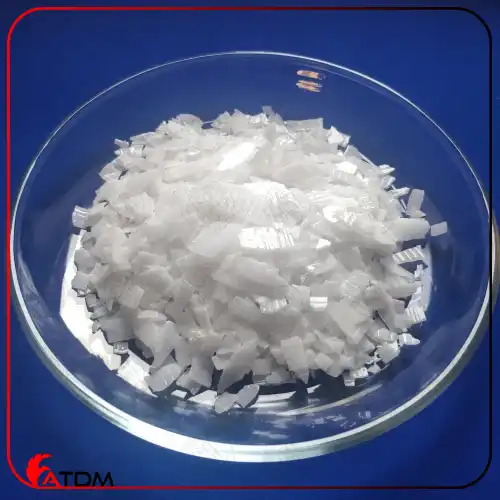
The use of caustic soda in iron industry has become an essential part of modern steelmaking, iron processing, surface preparation, and industrial cleaning. Manufacturers depend on sodium hydroxide because it removes contaminants, improves process efficiency, and helps maintain consistent production quality. Moreover, it supports cleaner surfaces before coating, painting, galvanizing, or further mechanical processing.
As iron production continues to evolve, companies seek chemicals that improve productivity while reducing maintenance costs. Consequently, caustic soda remains one of the most valuable industrial chemicals across many stages of iron manufacturing. It dissolves grease, oils, organic deposits, and various process contaminants without damaging properly handled metal surfaces.
Whether an iron manufacturer operates blast furnaces, rolling mills, fabrication plants, or recycling facilities, sodium hydroxide contributes to smoother operations. Furthermore, it helps extend equipment life by keeping processing systems cleaner and reducing unwanted residue buildup.
Industrial buyers also value its affordability, wide availability, and compatibility with many cleaning formulations. Therefore, companies around the world continue to integrate sodium hydroxide into their production systems.
Among reliable global suppliers, ATDM supplies high-quality caustic soda for industrial applications, including iron processing, steel manufacturing, water treatment, and chemical production.
Why Caustic Soda Is Important in Iron Manufacturing
Iron production involves many stages where contaminants can reduce product quality or interfere with downstream operations. During manufacturing, surfaces often accumulate oils, lubricants, rolling compounds, dirt, graphite, and other organic materials.
Caustic soda effectively removes these contaminants before additional processing begins.
As a result, manufacturers achieve:
Cleaner iron surfaces
Better coating adhesion
Improved welding quality
Reduced equipment fouling
Lower maintenance requirements
More stable production processes
Additionally, sodium hydroxide works efficiently in automated cleaning systems, making it suitable for continuous industrial production.
What Makes Sodium Hydroxide Effective?
Sodium hydroxide is a strong alkaline compound with excellent cleaning and chemical reaction properties. Unlike many acidic cleaners, it attacks organic materials rather than aggressively dissolving the base metal.
Its effectiveness comes from several important characteristics.
High Alkalinity
A high pH allows sodium hydroxide to break down oils, fats, and many industrial contaminants rapidly.
Excellent Degreasing Ability
Iron processing uses numerous lubricants during forming and rolling operations. Caustic soda converts grease into water-soluble compounds that rinse away easily.
Chemical Stability
Properly stored sodium hydroxide maintains its performance over long periods.
High Water Solubility
The product dissolves quickly, allowing operators to prepare cleaning solutions efficiently.
Compatibility with Industrial Systems
Many industrial cleaning formulations combine caustic soda with surfactants, corrosion inhibitors, and specialty additives to improve performance.
Main Applications of Caustic Soda in Iron Industry
Modern iron production includes several processing stages where sodium hydroxide plays a valuable role.
Surface Cleaning Before Processing
Iron products often contain machining oils, protective coatings, dust, and grease.
Before welding, galvanizing, painting, or coating, manufacturers must clean these surfaces thoroughly.
Caustic soda solutions dissolve organic contamination and prepare clean metal surfaces.
Consequently, subsequent manufacturing steps produce stronger and more reliable finished products.
Degreasing Iron Components
Large industrial machinery produces iron components using cutting oils and lubricants.
These oils cannot remain on finished parts.
Therefore, sodium hydroxide baths remove:
Heavy grease
Machine oil
Hydraulic fluids
Wax residues
Protective oils
Manufacturing lubricants
The result is a cleaner component that performs better during later manufacturing stages.
Cleaning Rolling Mills
Rolling mills continuously process steel and iron products.
However, scale, oil, and production residues gradually accumulate on rollers and equipment.
Routine caustic soda cleaning helps remove these contaminants.
As a result:
Equipment operates more efficiently.
Surface quality improves.
Maintenance downtime decreases.
Roller life increases.
Equipment Maintenance
Industrial processing equipment naturally develops deposits over time.
Caustic soda solutions remove organic buildup from:
Tanks
Pipelines
Mixers
Processing equipment
Heat exchangers
Storage vessels
Consequently, production systems maintain higher efficiency and experience fewer unexpected shutdowns.
Iron Recycling Operations
Recycling facilities process large volumes of scrap iron contaminated with oils, paints, adhesives, plastics, and industrial residues.
Before recycling begins, cleaning becomes essential.
Sodium hydroxide assists in removing many organic contaminants from scrap materials.
Therefore, recycled iron enters melting operations in a cleaner condition.
Wastewater Treatment
Iron manufacturing generates wastewater containing oils, suspended solids, and various contaminants.
Caustic soda helps adjust pH during wastewater treatment.
Moreover, proper pH control improves the effectiveness of coagulation and precipitation processes.
This allows treatment systems to remove contaminants more efficiently before discharge or reuse.
Benefits of Using Caustic Soda in Iron Industry
Industrial facilities continue using sodium hydroxide because it delivers multiple operational advantages.
Improves Surface Quality
Clean iron surfaces produce stronger welds, better coatings, and higher-quality finished products.
Reduces Production Downtime
Regular cleaning minimizes equipment fouling.
Consequently, manufacturers spend less time on maintenance.
Enhances Process Efficiency
Cleaner equipment transfers heat more effectively and maintains smoother production.
As a result, operating efficiency increases.
Supports Automation
Caustic soda solutions integrate easily into automated spray systems, immersion tanks, and continuous cleaning lines.
Therefore, labor requirements decrease while productivity improves.
Cost-Effective Chemical
Compared with many specialty cleaners, sodium hydroxide offers excellent cleaning performance at a relatively low operating cost.
Widely Available
Industrial buyers can source sodium hydroxide globally in multiple packaging options.
This availability simplifies procurement for international manufacturers.
Typical Iron Processing Operations Using Sodium Hydroxide
Several iron manufacturing operations routinely include alkaline cleaning.
These include:
Iron sheet production
Steel fabrication
Wire manufacturing
Structural steel production
Pipe manufacturing
Rolling mills
Forging facilities
Machine shops
Foundries
Iron casting plants
Fabrication workshops
Recycling facilities
Each application benefits from cleaner surfaces and improved operational efficiency.
Factors Affecting Cleaning Performance
Although sodium hydroxide is highly effective, several operating factors influence cleaning efficiency.
Solution Concentration
Higher concentrations generally remove heavy contamination faster.
However, operators should select concentrations appropriate for each process.
Temperature
Warm cleaning solutions usually perform better than cold solutions.
Higher temperatures accelerate grease removal and chemical reactions.
Contact Time
Longer exposure increases cleaning effectiveness.
Nevertheless, manufacturers optimize cleaning time to balance productivity and performance.
Mechanical Agitation
Spraying, circulation, or ultrasonic cleaning improves contaminant removal.
Therefore, many industrial systems combine chemical and mechanical cleaning methods.
Contamination Type
Different oils, waxes, and lubricants respond differently to alkaline cleaning.
Some applications require additional surfactants to maximize cleaning performance.
Safety Considerations
Although sodium hydroxide is highly useful, proper handling remains essential.
Industrial facilities should always:
Wear chemical-resistant gloves.
Use eye protection.
Wear protective clothing.
Ensure adequate ventilation.
Store chemicals in compatible containers.
Prevent direct skin contact.
Follow local chemical handling regulations.
Additionally, employees should receive regular safety training before handling concentrated sodium hydroxide.
Environmental Considerations
Responsible chemical management helps reduce environmental impact.
Many facilities recover cleaning solutions through filtration and chemical treatment.
Furthermore, wastewater treatment systems neutralize alkaline solutions before discharge.
As environmental regulations become stricter, manufacturers continue improving chemical recycling and waste management practices.
Choosing the Right grade of Caustic Soda in Iron Industry
Industrial buyers should evaluate several factors before purchasing sodium hydroxide.
Important considerations include:
Purity
Higher purity grades provide more consistent industrial performance.
Physical Form
Caustic soda is commonly available as:
Flakes
Pearls
Liquid solution
Each form suits different production systems.
Packaging
Industrial suppliers offer:
25 kg bags
Jumbo bags
Bulk tankers
Drums
Intermediate bulk containers (IBCs)
Proper packaging simplifies storage and transportation.
Challenges in Iron Processing
Iron manufacturers face many operational challenges.
These include:
Heavy grease accumulation
Rolling oil contamination
Production residue
Equipment fouling
Wastewater management
Surface preparation before coating
Fortunately, sodium hydroxide addresses many of these issues effectively.
Therefore, it remains one of the industry’s preferred alkaline chemicals.
Future Trends Caustic Soda in Iron Industry
Iron manufacturers continue improving efficiency through automation and sustainable production.
Accordingly, cleaning chemicals must deliver higher performance with lower environmental impact.
Future developments may include:
More recyclable cleaning systems
Automated chemical dosing
Lower water consumption
Improved wastewater recovery
Advanced alkaline cleaning formulations
Nevertheless, sodium hydroxide will likely remain a core component of industrial cleaning because of its proven effectiveness and economic value.
Conclusion: Caustic Soda in Iron Industry
The role of caustic soda in iron industry extends far beyond simple cleaning. Today, it supports degreasing, equipment maintenance, wastewater treatment, surface preparation, recycling, and production efficiency across nearly every stage of iron manufacturing.
Because sodium hydroxide removes oils, grease, and organic contaminants effectively, manufacturers achieve cleaner surfaces, improved product quality, and more reliable operations. In addition, its affordability and compatibility with automated systems make it one of the most practical industrial chemicals available.
As iron production becomes increasingly efficient and environmentally responsible, the demand for high-quality sodium hydroxide will continue to grow. Selecting a trusted supplier ensures consistent chemical quality, dependable logistics, and reliable industrial performance. ATDM provides premium caustic soda solutions that help iron manufacturers maintain efficient, safe, and productive operations worldwide.
Frequently Asked Questions Caustic Soda in Iron Industry
Is caustic soda used during iron manufacturing?
Yes. Manufacturers use sodium hydroxide for degreasing, equipment cleaning, wastewater treatment, and surface preparation throughout iron production.
Why is sodium hydroxide preferred for cleaning iron?
It removes oils, grease, lubricants, and organic contaminants quickly while supporting efficient industrial cleaning processes.
Does caustic soda remove rust from iron?
No. Caustic soda primarily removes grease and organic contamination. Rust removal usually requires acidic treatment or mechanical cleaning methods.
Which form of caustic soda is commonly used in industry?
Industrial users commonly purchase caustic soda as flakes, pearls, or liquid solutions, depending on their processing equipment.
How does caustic soda improve iron production?
It improves surface cleanliness, reduces equipment fouling, enhances coating adhesion, lowers maintenance costs, and increases overall production efficiency.