
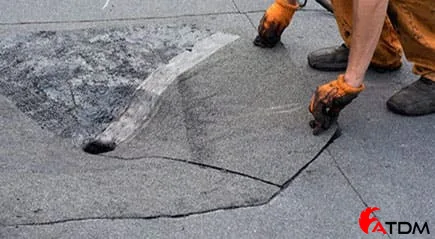
Overview of Repair Damaged Bituminous Membranes
Repair damaged bituminous membranes quickly to maintain waterproofing performance and structural integrity. Damaged membranes allow water infiltration, which leads to costly structural issues if left untreated. Professionals always act fast and use proper repair techniques to extend membrane lifespan.
Importance of timely repairs
Quick repairs prevent small defects from expanding into major failures. Addressing cracks, punctures, and blisters early reduces repair costs and avoids system replacement.
Common repair scenarios
Most repairs involve localized damage such as tears, seam failures, or punctures caused by external impact or aging.
Identifying Damage in Bituminous Membranes
Surface cracks and splits
Inspect the surface for visible cracks. These often form due to thermal expansion and contraction.
Blistering and bubbling
Blisters appear when air or moisture gets trapped beneath the membrane. These weaken the system over time.
Water leakage signs
Look for damp patches, stains, or mold inside structures. These signs indicate membrane failure.
Causes of Membrane Damage
Weather exposure
UV radiation, rain, and temperature fluctuations gradually degrade the membrane surface.
Poor installation
Improper bonding or sealing during installation creates weak points that fail under stress.
Mechanical damage
Foot traffic, falling objects, or equipment can puncture or tear the membrane.
Inspection Techniques Before Repair damaged bituminous membranes
Visual inspection
Start with a detailed visual check to identify damaged areas and their severity.
Moisture detection methods
Use moisture meters or infrared tools to locate hidden water beneath the membrane.
Tools and Materials Required
Repair compounds
Use high-quality bituminous repair compounds to restore damaged sections.
Reinforcement fabrics
Apply reinforcing layers to strengthen repaired areas.
Heating tools
Torch systems help bond new material to existing membranes for a secure seal.
Surface Preparation Process
Cleaning the area
Remove dirt, debris, and loose particles. A clean surface ensures proper adhesion.
Removing damaged sections
Cut out severely damaged areas to create a stable base for repair.
Repair Methods for Damaged Membranes
Patch repair method
This method works best for small, localized damage. Apply a patch over the damaged area and seal it properly.
Torch-applied repair
Use controlled heat to bond new membrane layers. This method creates a strong and durable seal.
Cold-applied repair systems
These systems use adhesive compounds instead of heat, making them safer and easier in certain environments.
Step-by-Step Repair Damaged Bituminous Membranes
Area marking
Mark the damaged section clearly to define the repair zone.
Applying primer
Apply a suitable primer to enhance bonding between old and new materials.
Installing patch
Place the repair patch over the damaged area. Ensure full coverage and proper alignment.
Sealing edges
Seal all edges carefully to prevent water ingress and ensure long-term durability.
Quality Control After Repair
Adhesion testing
Check the bond strength between layers to confirm proper installation.
Leak testing
Perform water tests to ensure the repair eliminates leakage completely.
Preventive Maintenance Strategies
Routine inspections
Inspect membranes regularly to detect early signs of damage.
Protective coatings
Apply coatings to shield the membrane from UV rays and environmental stress.
Common Repair Mistakes to Avoid
Avoid skipping surface preparation, using low-quality materials, or applying patches incorrectly. These mistakes reduce repair effectiveness and lead to recurring issues.
Environmental Considerations
Use eco-friendly materials and minimize waste during repair. Proper disposal of removed membrane sections helps reduce environmental impact.
Safety Guidelines During Repair
Follow safety protocols when using heating tools or chemicals. Wear protective gear and ensure proper ventilation in work areas.
Cost Factors in Repair Work
Repair costs depend on damage extent, material quality, and labor requirements. Early intervention reduces overall expenses.
Role of Material Suppliers
Reliable suppliers ensure consistent material quality and availability. Companies like ATDM support construction industries by supplying essential materials, including soda ash used in various industrial applications.
FAQs on Repair Damaged Bituminous Membranes
1. How long do repairs last?
Proper repairs can last several years with good maintenance.
2. Can all membrane damage be repaired?
Most localized damage can be repaired, but severe damage may require replacement.
3. Is torch repair better than cold repair?
Torch repair provides stronger bonding, but cold methods offer safer application.
4. How often should inspections be done?
Inspect membranes at least twice a year.
5. What causes most membrane failures?
Weather exposure, poor installation, and mechanical damage.
6. Can repairs be done without removing old membrane?
Yes, minor repairs can be applied directly over existing surfaces.
Conclusion OF Repair damaged bituminous membranes
Repair damaged bituminous membranes using proper techniques, quality materials, and regular maintenance practices. A structured repair approach ensures long-lasting waterproof protection and prevents costly structural damage. By acting quickly and following best practices, you can extend membrane life and maintain high performance in any environment.